
 By Admin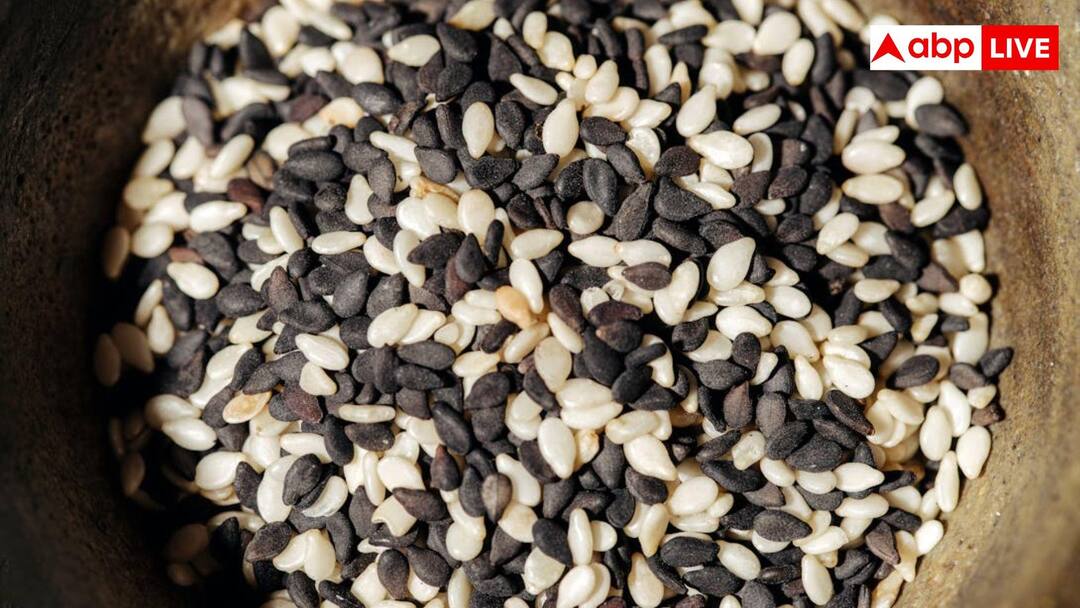
Nowadays, people are spending thousands of rupees on multivitamin and mineral supplements for good health, but very few people know that a small seed present in our kitchen is more effective than many expensive pills. Actually this seed is sesame which is considered as a great medicine in Ayurveda and a nutrient super food in science. The nutrients present in sesame are easily absorbed by the body. That means it provides essential vitamins and minerals to the body in a natural way. This is the reason why sesame is given special importance in the winter season and things made from sesame are definitely included in the recipes of grandmothers. In such a situation, let us now tell you what are the tremendous benefits of eating sesame seeds.
Why is sesame called a superfood?
Sesame is rich in minerals like calcium, iron, magnesium, phosphorus, zinc and manganese. About 975 mg of calcium is found in 100 grams of white sesame which is more than a glass of milk. Calcium is necessary for the strength of bones and joints and sesame fulfills it naturally. Apart from this, iron and copper present in sesame helps in fighting anemia. It is also considered a good source of protein for gym going youth.
Also beneficial for heart and digestion
Elements like sesamin and sesamolin are found in sesame which help in reducing bad cholesterol. This improves heart health and keeps blood pressure under control. The fiber present in sesame improves digestion and helps in providing relief from problems like constipation.
Which sesame is more beneficial?
For health, both black and white sesame seeds are beneficial for health, but their properties are slightly different. White sesame seeds are easy to digest and contain good amounts of calcium and healthy fats. Whereas black sesame seeds are with peel, hence they contain more iron and antioxidants. Black sesame is considered more beneficial in low hemoglobin weakness and hair related problems.
Benefits of eating sesame seeds in winter
According to Ayurveda, sesame has a hot nature. Consuming it in winter keeps the body warm from inside and prevents problems caused by cold. This is the reason why sesame laddus, gajak and other things are eaten a lot in winter. Eating limited quantity of sesame seeds daily strengthens bones, improves digestion, keeps heart healthy and maintains energy in the body. Apart from this, sesame also helps in providing relief from constipation.
How many sesame seeds should one eat in a day?
Sesame seeds are hot in nature, hence consuming them in excess quantity can be harmful. Eating 1 to 2 teaspoons i.e. about 10 to 15 grams of sesame seeds daily is considered sufficient and safe. Consuming excessive amounts can cause stomach heat, weight gain or digestive problems. It is more beneficial to eat lightly roasted sesame seeds. Sesame seeds can be eaten in laddu, salad, khichdi or by chewing directly.
Also read-Fatty Liver Disease: 38% people of India are suffering from ‘Fatty Liver’! Identify these 5 signs while sitting at home
Disclaimer: This information is based on research studies and expert opinion. Do not consider this as a substitute for medical advice. Before adopting any new activity or exercise, please consult your doctor or relevant specialist.
Check out below Health Tools-
Calculate Your Body Mass Index (BMI)
Calculate The Age Through Age Calculator