
 By Admin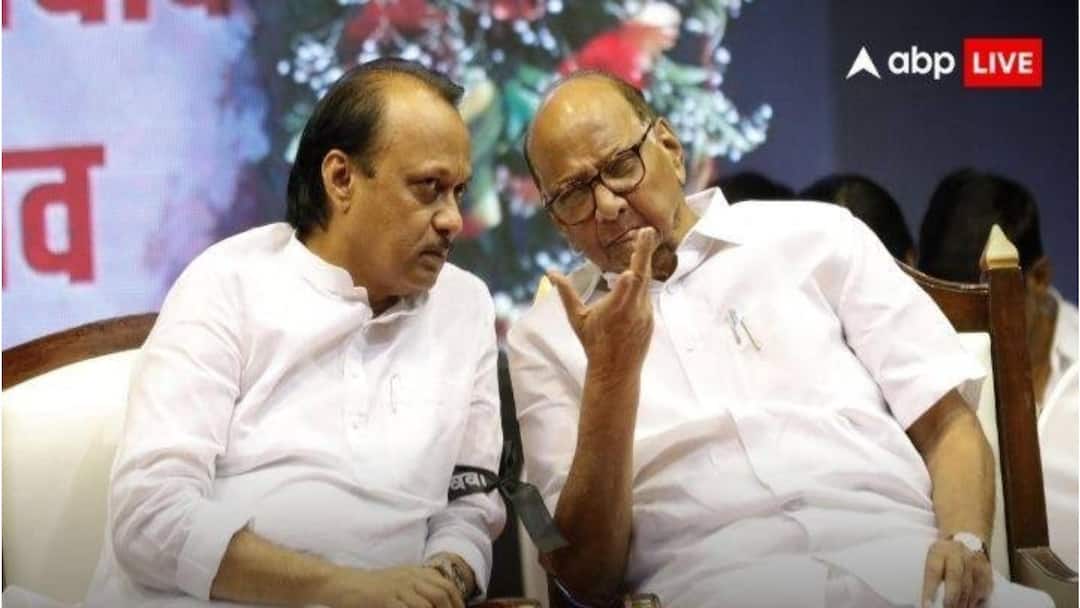
Maharashtra Deputy Chief Minister Ajit Pawar died in a plane crash near Baramati. It was told that all the passengers on board the plane died. Ajit Pawar was going to Baramati to address a public meeting. The uncle-nephew duo of Ajit Pawar and Sharad Pawar was considered strong in Maharashtra politics for a long time. Sharad Pawar established Ajit in politics, but due to power struggle there was a rift in relations. The political events of 2019 and 2023 put both of them in different camps.
The names of Sharad Pawar and Ajit Pawar continued to be used together in Maharashtra politics for a long time. Sharad Pawar played an important role in establishing Ajit Pawar in politics.
In the initial phase, Ajit Pawar was considered the natural successor of Sharad Pawar. There was a guru-disciple like relationship between the two. Sharad Pawar’s experience and Ajit Pawar’s aggressive politics, this combination was considered beneficial for the party.
Journey from Baramati to Satta
Ajit Pawar made his mark through hard work and political understanding. In 1995, he became MLA from Baramati assembly seat for the first time and after this he went on winning many elections continuously.
Baramati remained the center of his politics. From local issues to state level politics, Ajit Pawar established himself as a strong leader. This was the reason why he became Deputy Chief Minister several times and was counted among the most important faces of power.
Crack came to light in 2019
The biggest turning point in relationships came in 2019. When Ajit Pawar tried to form the government with the Bharatiya Janata Party, this step was considered completely contrary to Sharad Pawar’s political thinking.
After this incident, the rift in the relationship between uncle and nephew came to the fore. It became clearly visible inside and outside the party that both were no longer walking on the same line.
Party divided into two camps in 2023
In the year 2023, the Nationalist Congress Party formally divided into two factions. Ajit Pawar joined the ruling party along with his supporters, while Sharad Pawar chose to pursue his ideology while being in the opposition. From here the politics of “together” changed into “separate paths”. On one side is the politics of power sharing and on the other side is the ideological battle.
Difference of thinking, direction of politics
With time, the difference in thinking between the two leaders became clearly visible. Sharad Pawar continued to emphasize on traditional secular politics and the role of the opposition. Whereas Ajit Pawar appeared to be a supporter of practical politics and power-sharing. Differences over the alliance with the NDA further deepened the divide within the party. This difference later became a major reason for separation.
Personal relationships versus political conflict
Despite political differences, there was never a picture of complete bitterness in personal relationships. While sharp statements were seen on public platforms, talks about maintaining decorum at the personal level were also heard. On many occasions both the leaders showed respect for each other, which sent the message that the fight is about ideas, not relationships.
speculations about proximity
Recently, during the local body elections, discussions about the closeness between the two groups had intensified. There were signs of cooperation in the District Council and Municipal Corporation elections. The news of joint strategy in areas like Pimpri-Chinchwad raised the question whether uncle and nephew can come together again? There was continuous discussion on this in political circles. But the dream of uncle and nephew coming together again remained unfulfilled with the death of Ajit Pawar.
incomplete chapter of a relationship
With the news of this accident, a chapter remained incomplete in the politics of Maharashtra, in which power, conflict, relationships and compromises were everything. The relationship between Ajit Pawar and Sharad Pawar is not just family but also decides the direction of Maharashtra politics. This journey from togetherness to separation will remain a part of political debates for years to come.