
 By Admin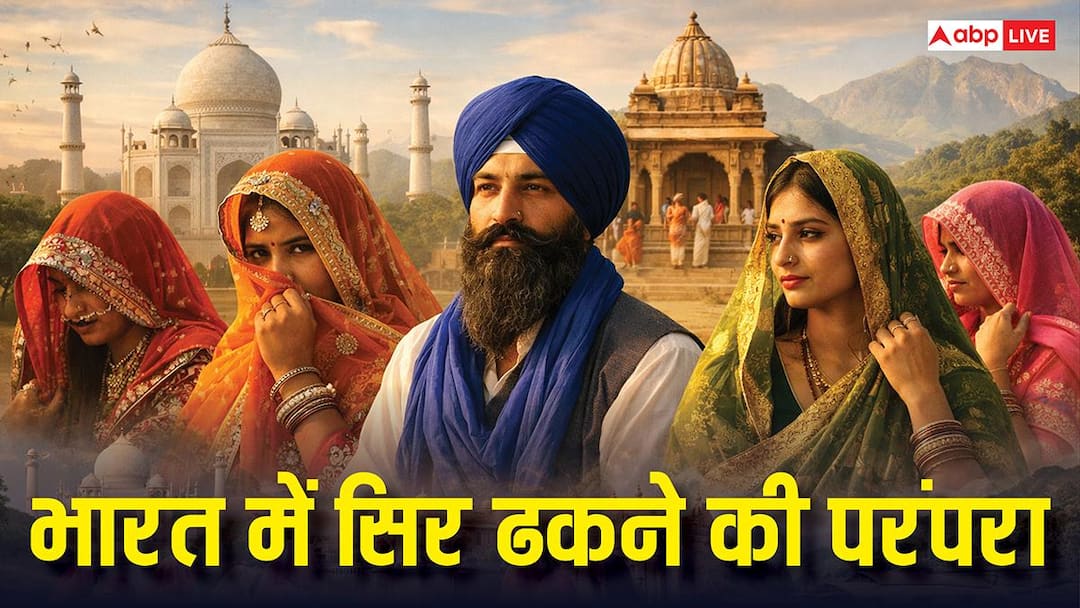
Covering the head is one of the oldest traditions of Indian culture. Whether men tie a turban on their heads or women wear saree pallu or devotees keep clothes in the temple, this gesture is a way of respect, dignity and belonging.
However, the meaning of this practice varies in different regions, communities and circumstances.
Someshwar Temple of Barabanki where invisible worship of Shivling takes place at midnight! Know the secret and importance?
Tradition of covering head in Rajasthan
- In Rajasthan men generally wear turban or Safa.
- Each colour, style and fabric reflects a caste, region or occasion.
- Bright colors on festive occasions, white turban for mourning.
- Turban is considered a symbol of respect. Taking it off in public is seen as an insult.
Punjab Dupatta and Sikh Turban
- In Sikhism, men wear a turban (dastar) as a religious requirement, which is considered a symbol of equality, self-respect and spiritual discipline.
- Women often cover their heads with a scarf during prayer as a symbol of humility before God.
- It is necessary to cover the head even in weddings as a symbol of respect.
Ghaghra-Choli with Gujarat Odhni
- Traditionally in Gujarat, women cover their heads with Odhni as a mark of respect to their elders.
- In rural Gujarat it is also a symbol of humility and marital status.
Pallu of Bengal Saree as a dignity and tradition
- Women cover their heads with pallu, especially during rituals and in front of elders.
- At weddings, brides cover their heads out of shame and respect.
- It is also related to receiving the blessings of Mother Durga.
Maharashtra Nauwari saree and head covering custom
- Women wearing traditional Nauwari saree covering their heads during religious ceremonies.
- Men wear pheta (a kind of turban) during festivals, weddings or processions, which is a sign of respect.
Uttar Pradesh and Bihar (veil)
- Even today in rural areas, women follow the tradition of veiling out of respect for their elders.
- In any kind of ceremonies brides cover their heads completely as a part of ritual purity.
Tradition of covering head in South India
- Women cover their heads with the pallu of their saree while visiting the temple.
- In some temple rituals men wear angavastram or cover their head.
- Christian women in Kerala traditionally cover their heads with a white veil during prayers in church.
The practice of covering the head daily may be less in urban areas of India but it is still prevalent in religious rituals, weddings and religious places.
For many people it is a symbol of their identity and culturality. Nowadays fashion designers also include turban and dupatta as style statements.
Chilkur Balaji Temple: The temple that grants visa in Hyderabad? Even Priyanka Chopra has visited