
 By Admin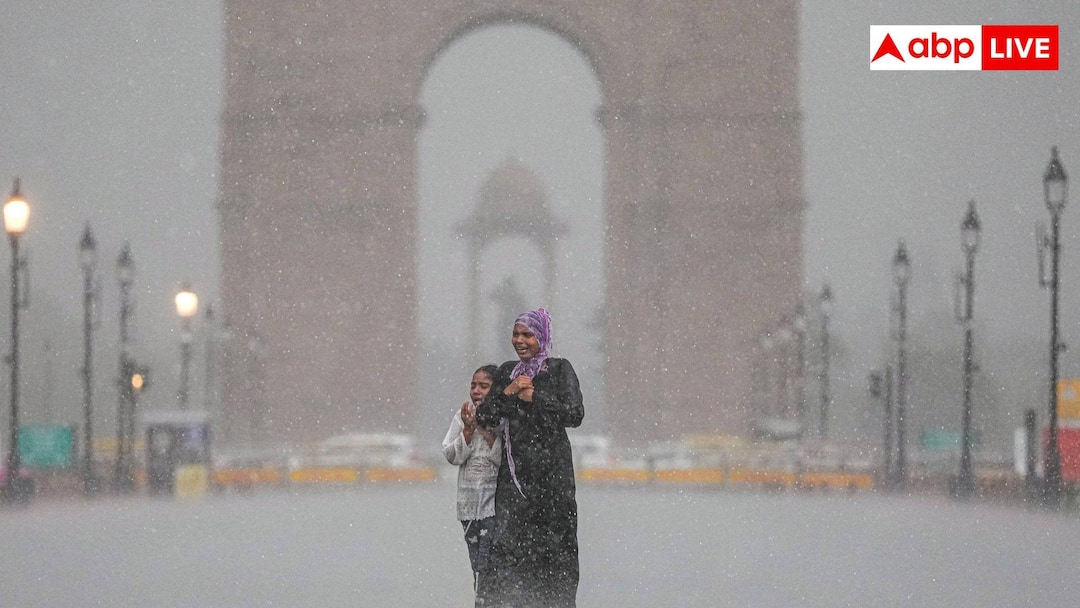
Why does it rain in winter?
Generally people know that in summer, due to strong sunlight, sea water evaporates, clouds form and then it rains. But the reason for winter rain is completely different. Rain during cold season is not directly related to monsoon. According to meteorologists, the biggest reason behind rain in winter is western disturbance. This is a kind of meteorological system, which forms around the Mediterranean Sea or the Caspian Sea. After forming a low pressure area there, this system moves from west to east and reaches north-west India. Due to the effect of this western disturbance, we see rain in winter, snowfall on the mountains and fog in the plains.
The effect of western disturbance is increasing
Meteorologists of the country’s Indian Institute of Tropical Metrology, Pune, had conducted a research a few years ago. According to which the effect of western disturbance has increased in the last few years. The increase in temperature in the Tibetan plateau and equatorial regions is being considered as a reason behind this. For this reason, more incidents of rain are being seen in winter than before.
What effect does cold have?
Due to winter rains, moisture in the air increases and the temperature goes down. The effect of both of these is that the cold starts stinging more. Especially in North and Central India, melting increases after rain. This is why many people feel that the cold has become more severe after the rain.