
 By Admin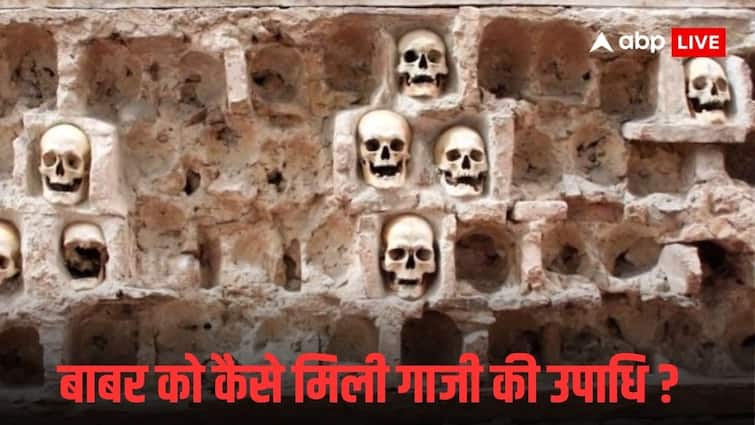
The Mughals had a lot of wealth from the grounds of Panipat. Mulla Abdul Qadir Badauni wrote in Muntakhab-Ut-Tawarikh that there was about one and a half thousand elephants and such a treasure from the field of Panipat that it could not be imagined. The Mughal army came under possession.
Dr. Ashirvadi Lal Srivastava has written in his book Mughal India that after the fall of Hemu, his army became disintegrated. His wife and father fled to Mewat from Delhi. Mulla Badauni has written that on the second day of the victory, Akbar came to Panipat and he built the tower of cut ends in the battlefield.
‘Mongol used to consider Islam as his enemy’
The first written mention of this type in Indian history is found in 1305 AD when Turk Sultan Alauddin Khilji of Delhi built 2 towers of chopped ends of Mongols at Badaun Darwaza in Delhi. At that time Mongol used to consider Islam as his enemy.
In 1398 AD, Akbar’s ancestor Taimur Lung cut the heads of the Hindu people of Delhi and built their minarets. In 1505 AD, Babur had beheaded the Hindu Afghans living in the Hindukush mountain and made their minarets. In 1526 AD, Babur cut the head of Ibrahim Lodhi’s soldiers in the field of Panipat and built Mund Chaura.
Mund Chaura was made by cutting the heads of enemies
According to Muslim historians, Mund Chaura was made by beheading the enemies in the war. Babur also cut off his soldiers in this Mund Chaure to fulfill his craze.
What does Ghazi’s title mean?
In 1527 AD, Babur assumed the title of Ghazi by building the tower of the severed ends of Hindu soldiers on the hill of Khanwa, which means lightning on Kafir or falling lightning on Kafir.
Also read
Why did Akbar’s court change their names for Haram’s women? Learn the story behind it