
 By Admin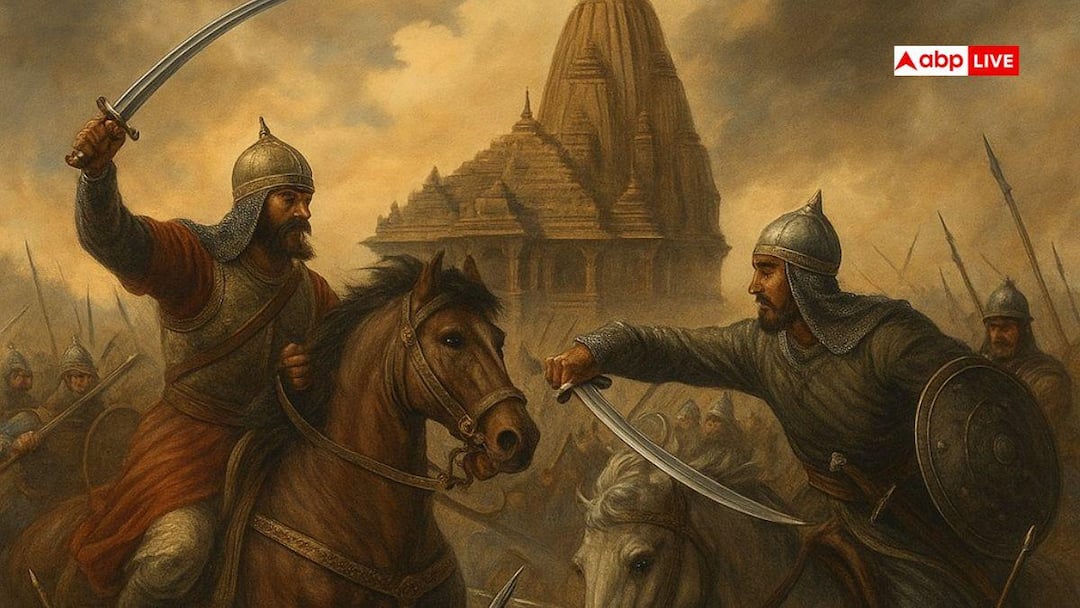
There are some decisions in history, which seem right at that time, but later change the direction of the entire era. The story of Prithviraj Chauhan and Muhammad Ghori is also similar. It is said that Prithviraj Chauhan gave life to Ghori repeatedly, but this kindness ultimately proved to be his biggest mistake. The question still remains whether this was generosity or a strategic mistake?
Story related to the battles of Tarain
At the end of the 12th century, the politics of North India was going through a period of major changes. Prithviraj Chauhan was the powerful ruler of Ajmer and Delhi, while Muhammad Ghori was making repeated attacks from the north-western borders. In the first battle of Tarain in 1191, Prithviraj gave a crushing defeat to Ghori. After this war, the story of Ghori being abandoned comes to light, which later became a part of history and folklore.
Rajput war tradition and rule of honor
At that time, for the Rajput rulers, war was not just a matter of victory and defeat, but a matter of dignity and religion. According to popular beliefs, attacking an unarmed, injured or fleeing enemy was considered unrighteous. According to folklore, Prithviraj Chauhan, following this Kshatriya tradition, left Muhammad Ghori instead of killing him.
Where did the idea of apologizing 16 times come from?
It is claimed in folklore and heroic tales that Prithviraj forgave Ghori 16 or 17 times. However, modern historians consider this number to be symbolic. Authentic history mainly mentions two major battles of 1191 and 1192. Again and again the story of forgiveness became popular among the people for its moral message and dramatic effect.
Underestimating Gori was costly.
Historians believe that Prithviraj’s biggest mistake was not considering Ghori as a permanent threat. After the first defeat, Ghori returned to Afghanistan, but there he reorganized his army. He understood the Rajput warfare method and returned with a new strategy.
Second battle and overthrow of power
The circumstances had changed in the second battle of Tarain in 1192. Ghori came with a more organized army and new strategy. This time Prithviraj had to face defeat and was taken prisoner. This was the turning point, which is considered to be a major change in the political history of North India.
One decision, far reaching impact
Prithviraj Chauhan’s generosity is still remembered with respect, but history also teaches that in every war it is important to understand the mentality and intentions of the enemy. This mistake cost heavily his state and future.
Also read: Budget 2026: Why is only the 1991 budget considered a turning point, why did it not happen in other budgets?