
 By Admin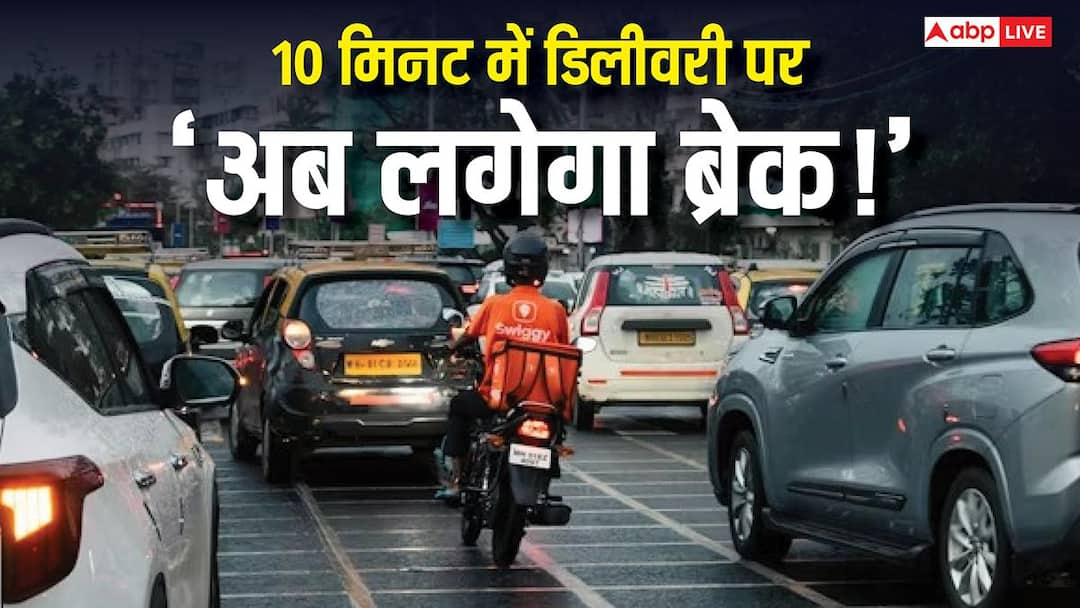
Delivery within 10 minutes i.e. quick delivery model has become increasingly popular in India, but now clouds of crisis seem to be looming over this model. On New Year’s Eve, gig workers announced a nationwide strike, in which more than two lakh riders from across the country participated. Gig workers are demanding fair pay, safety and respect, while union leaders say the root of the problem is the 10-minute delivery time limit, without removing which the situation will not improve.
Why is the quick delivery model in trouble?
Actually, during the Corona epidemic in India, the demand for fast delivery of essential goods increased and from here this model became popular. At that time delivery within half an hour was also considered a big deal. However, as the situation returned to normal, quick delivery platforms like Freeze No More, Byk and Getir in the US either closed down or got into serious financial trouble. On the contrary, this model spread more rapidly in India and it was claimed to deliver everything from medicines to daily needs in 10 minutes.
According to a Bloomberg report, companies like Blinkit, Swiggy Instamart and Zepto invested heavily in dark stores or dark warehouses. These small warehouses are built within cities so that orders can be fulfilled in a very short time. Initially, big players like Mukesh Ambani, Amazon, Walmart and Flipkart lagged behind in this race, but now they too are investing huge capital in quick commerce.
Real estate firm Savills Plc estimates that by 2030, the number of dark stores in the country may increase from 2,500 to 7,500 and this model will spread to smaller cities.
Debate sparked by strike
The recent strike has sparked a new debate on the reality of the quick delivery model. The apps may claim they don’t compromise drivers’ safety, but gig workers say poor ratings, pressure from supervisors and financial penalties for delayed deliveries force them into rash and risky driving. Working in cities suffering from narrow roads, poor traffic system and pollution is already dangerous. Bad air in the national capital Delhi also remains a big challenge for the riders.
Even before the strike, investors were worried about the social security provided to gig workers under the new labor code. Since October, the shares of Swiggy and Eternal (parent company of Zomato and Blinkit) have fallen by about 20 percent.
What is the companies’ stand?
Quick commerce companies claim that the strike did not have any significant impact on their operations. Eternal CEO Deependra Goyal posted on social media platform X that orders delivered on December 31 were at an all-time high of 7.5 million. He blamed some “mischievous elements” for the strike.
Goyal argues that 10-minute delivery is possible not by riding a fast bike, but because of the infrastructure present in every area. According to him, the average speed of the riders is around 16 kilometers per hour. The company pays the drivers’ insurance and they can earn an average of Rs 102 per hour while logged in.
However, these data also highlight the limitations of the model. If we look at the average earning, then even to earn around Rs 21 thousand a month, the riders have to work continuously for a long time, which is not possible for everyone.
What will happen next?
There is a glut of workers in India’s labor market. Every year lakhs of riders leave this job, and equally fast new people join it. In such a situation, consumers will continue to get fast delivery, but the question will remain whether the gig workers are happy, safe and whether they are getting remuneration commensurate with the risk. This is the fundamental question on which the future of the quick delivery model depends.
Also read: After beating the dollar for two days, the rupee fell, why is the Indian currency under pressure despite the intervention of RBI?