
 By Admin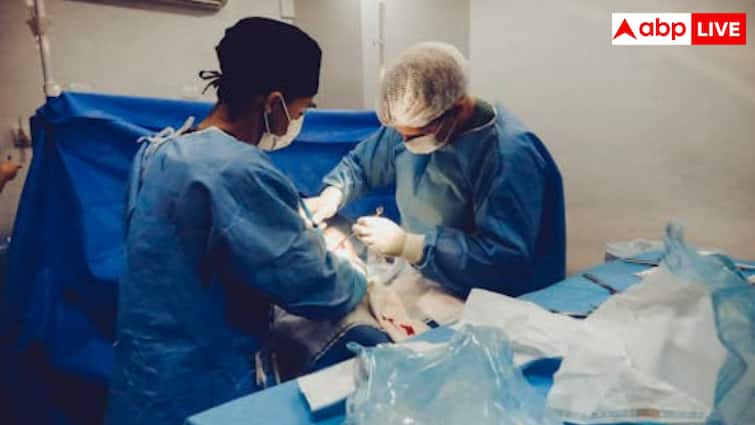
It is said that the human body stops functioning completely only after death, otherwise the organs of the body keep working all the time while sleeping, waking up, eating and drinking. But do you know that this is not completely true.
Actually, after a person dies, all the parts of his body do not stop working together. There are some organs which remain alive for many hours even after death and continue doing their work. Therefore, even after death, other people’s lives can be saved by donating human organs. In such a situation, let us know which parts of the body remain alive even after death and which part dies last.
Which organs remain alive even after death?
According to doctors, the lifespan of all body parts is different. In such a situation, some organs can also be preserved. Even after death, the heart remains alive in the human body for 4 to 6 hours, lungs for 4 to 8 hours, liver for 8 to 12 hours, kidney for 24 to 36 hours, skin for 24 hours and eyes for 4 to 6 hours. Let us tell you that this is not exact timing but approximate time. In such a situation, the survival time of organs depends on many other factors.
How do organs remain useful even after death?
All organs are very important in the human body, be it eyes or heart. In such a situation, these essential organs remain as important even after a person’s death as they were when he was alive. Due to this, many people donate their organs after death because some vital organs of the body remain alive for several hours after death, which can be useful to a living person. This process is called organ transplantation. In this, organs are removed from the body of a dead person, preserved in suitable conditions and transplanted.
Which organ remains alive the longest?
After death, the kidneys remain alive for the longest time in the human body. It remains alive for approximately 24 to 36 hours. Therefore it is considered the most durable organ. In such a situation, after death you can easily donate kidney to anyone and this is the reason why kidney transplant operations are often successful.
Also read: Have you ever wondered why we stop seeing when it gets dark?