
 By Admin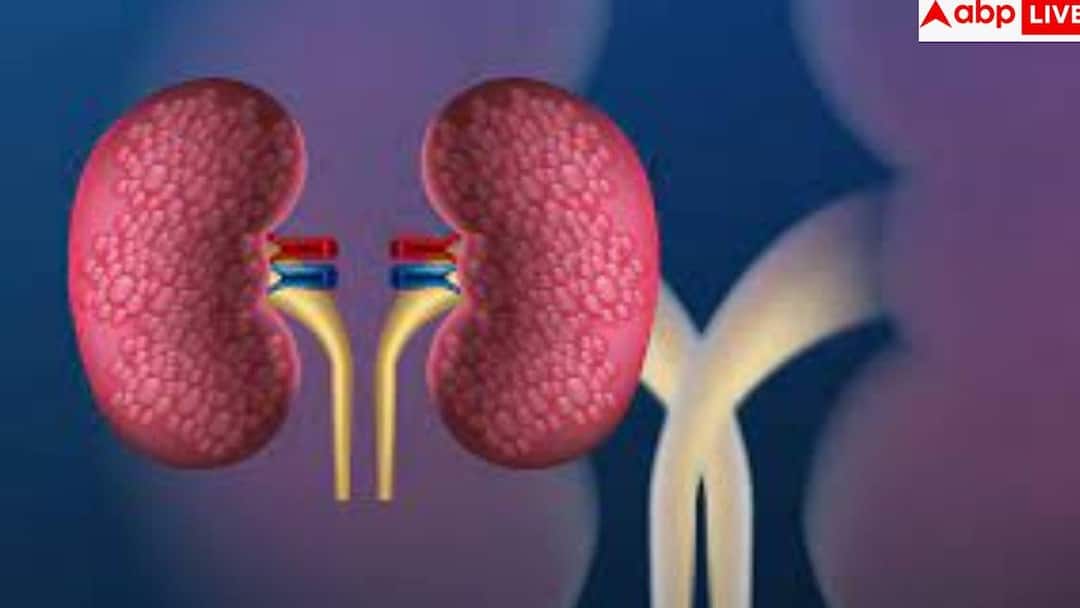
Early Warning Signs Of Kidney Problems: Kidney is one of the most important organs of our body. They filter dirt and toxins from the blood, maintain fluid balance in the body and support many important activities. But if they are not taken proper care of, many types of diseases can arise. The most worrying thing is that kidney disease often progresses silently and symptoms appear only when the condition has become quite serious. Therefore, periodic checkups and knowledge of risk factors are very important.
Why do kidneys have problems?
According to Mayo Clinic, an organization providing information about health, any obstruction in the functioning of the kidneys is called kidney disease. These include kidney infection, chronic kidney disease, stones, glomerulonephritis and polycystic kidney disease. Certain conditions increase the risk of kidney disease, such as diabetes, high blood pressure, obesity, smoking and a history of kidney failure in the family. Along with this, the risk is also higher in people above 60 years of age.
Why is it important for kidneys to remain healthy?
Kidneys do not just work to remove waste from the body. It produces hormones that control blood pressure and help in the formation of red blood cells. Along with this, it is also their responsibility to maintain electrolyte balance and remove excess water. If the kidneys do not function properly then all these processes are affected. The cases of kidney disease are increasing all over the world and they are directly related to heart diseases. Kidney failure increases the risk of death from heart disease and the problems of diabetes and hypertension can also increase. If left untreated, this condition can lead to kidney failure, where dialysis or transplant is required.
Read this also- Motherhood Age In India: Women of which age group are becoming mothers more in India, and when are women of which age group taking this decision?
What are its symptoms?
If we talk about symptoms, kidney disease often remains symptomless in the beginning. But as the condition worsens, some signs may appear, including frequent urination, swelling in the ankles and feet, loss of appetite and weight loss, blood or foam in the urine, dry and itchy skin, difficulty in breathing, persistent swelling around the eyes, muscle cramps and difficulty sleeping. These signs should not be ignored.
Which tests are necessary?
If symptoms appear, it is important to consult a doctor. The problem can be detected in the early stages by regular checkups. Commonly performed tests include serum creatinine, cystatin C, estimated glomerular filtration rate, blood urea nitrogen, urine test, and urine albumin-creatinine ratio.
Also read: Does the brain work better on an empty stomach? Know the effects and benefits of fasting on mental health
Disclaimer: This information is based on research studies and expert opinion. Do not consider this as a substitute for medical advice. Before adopting any new activity or exercise, please consult your doctor or relevant specialist.
Check out below Health Tools-
Calculate Your Body Mass Index (BMI)
Calculate The Age Through Age Calculator