
 By Admin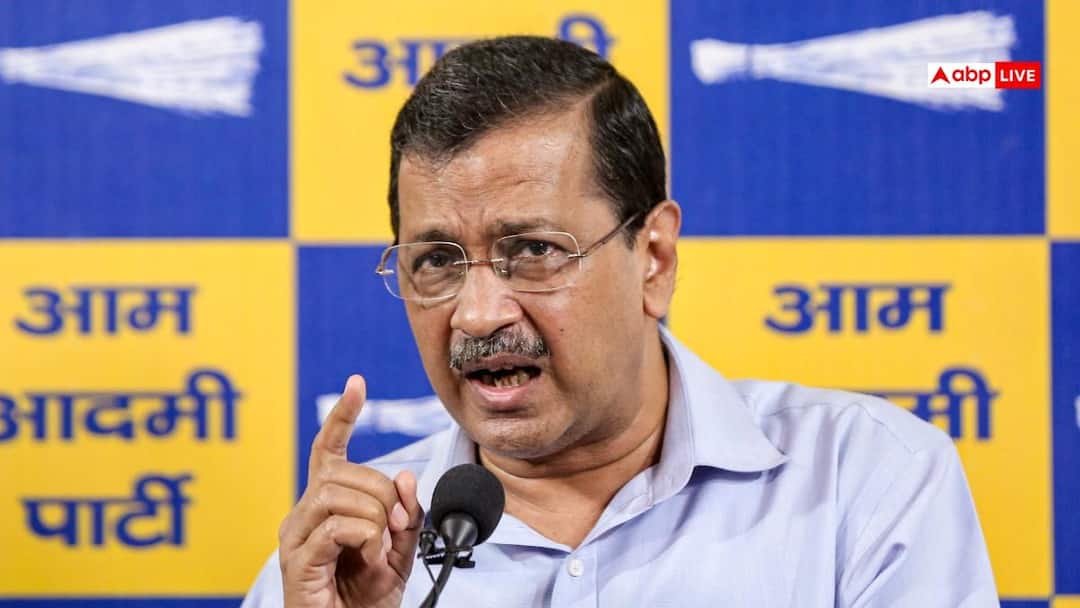
Delhi High Court judge Justice Swarnkanta Sharma recused herself from hearing the Excise Policy case. On this, former Delhi CM and AAP national convenor Arvind Kejriwal said that truth has won. Gandhiji’s Satyagraha won once again. Justice Swarnakanta Sharma on Thursday (May 14) initiated criminal contempt proceedings against Aam Aadmi Party leaders Arvind Kejriwal, Manish Sisodia, Durgesh Pathak, Sanjay Singh, Saurabh Bhardwaj and others for making derogatory posts against them on social media in connection with the excise policy case.
‘A well-planned campaign was carried out on social media’
Justice Sharma said that instead of resorting to legal remedies, former Delhi Chief Minister Kejriwal launched a well-planned campaign on social media with the intention of defaming him. He clarified that now another bench will hear the CBI’s petition against the acquittal of all the accused.
Truth won.
Gandhiji’s Satyagraha won once again.
— Arvind Kejriwal (@ArvindKejriwal) May 14, 2026
The judge took exception to several posts made by the contempt accused on social media, which accused him of “political allegiance” and allegedly targeted him by posting an ‘edited’ video of his speech delivered at an educational institution in Varanasi.
BJP’s reaction on the election of Congress leader VD Satheesan as Kerala CM, ‘This shows that…’
‘Tried to tarnish my reputation’
Justice Sharma said, “Arvind Kejriwal tried to tarnish my reputation instead of resorting to legal remedies after I refused to recuse myself from the case. “Deliberate attempts to curtail the authority of the court under the guise of freedom of expression cannot be tolerated.”
SG Tushar Mehta thanked Justice Sharma
Justice Sharma clarified that she is not recusing herself from the case, but is transferring the case to another bench due to initiation of contempt proceedings. Solicitor General Tushar Mehta, appearing for CBI, thanked Justice Sharma for maintaining the dignity of the institution.
Order to work from home for 2 days for government employees in Delhi, what will happen to private offices?