
 By Admin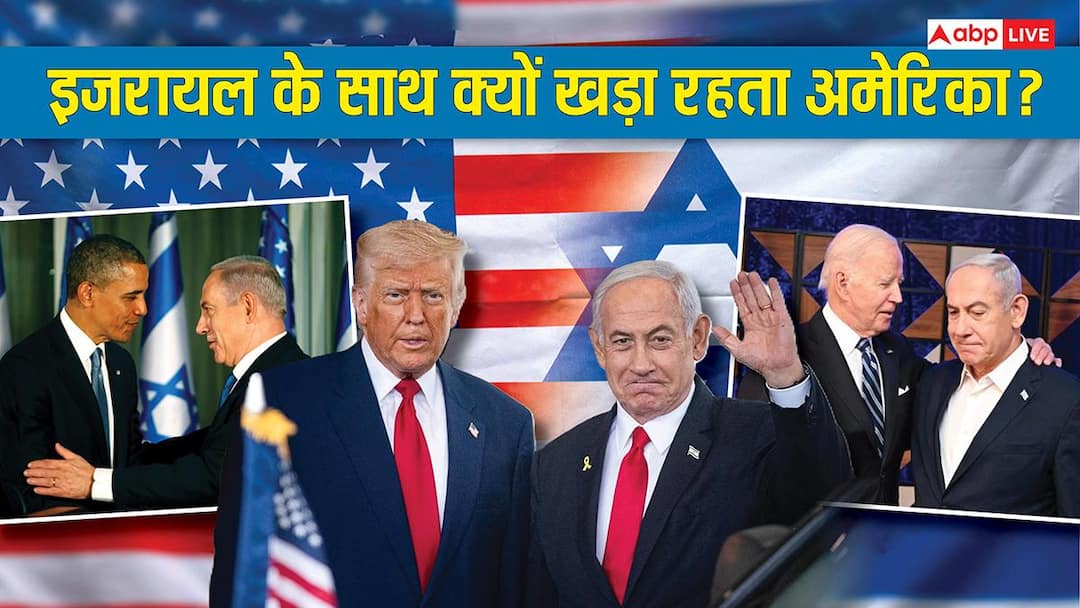
The date of 28 February 2026 changed the political map of the entire world. On this day, America and Israel together launched the biggest military attack on Iran. But within just two months, a new and bigger battle broke out on the war front. Now the fight is not against Iran, but has become a litmus test for the mutual relations between America and Israel. On one hand, US President Donald Trump wants a deal to end the war, while on the other hand, Israeli Prime Minister Benjamin Netanyahu is adamant on continuing the attacks. The phone conversation between the two leaders on 20 May 2026 was so intense that it was described as ‘difficult’ and ‘dramatic’. Despite this, America and Israel will not become enemies, why?
That night of the phone call, when ‘Bibi’s hair was on fire’
On the evening of May 20, there was a heated argument over the phone for an hour between President Trump and Prime Minister Netanyahu. Trump told Netanyahu that a ‘Letter of Intent’ is being prepared with Iran under the mediation of America, Qatar and Pakistan, once signed, the war will formally end. Then there will be discussions for 30 days on issues like Hormuz Strait and Iran’s nuclear program. But Netanyahu became furious after hearing this from Trump.
According to the NYT report, an American source said that ‘after that call, Bibi’s hair was on fire.’ Netanyahu said that instead of a deal, the army should carry out more attacks so that Iran becomes completely weak. He bluntly told Trump that stopping the attacks was ‘a big mistake’.

Why are Trump and Netanyahu clashing with each other?
Foreign affairs expert and JNU professor Dr. Rajan Kumar says, ‘This conflict is not just between two leaders, but about two different strategies. This war has now become a political and economic headache for Trump. In retaliation, Iran has almost completely blocked the Strait of Hormuz, due to which 20 percent of the world’s oil supply has come to a standstill. The result is that petrol prices in America are skyrocketing and Trump’s approval rating is falling. Americans’ confidence in Trump’s economic policies has declined sharply in April 2026.
On the other hand, Netanyahu’s stance is absolutely strict. They have three conditions:
- All the enriched uranium of Iran should go out of the country.
- Iran should end its ballistic missile program.
- Iran should stop providing support to armed groups it supports throughout the Middle East (such as Hezbollah in Lebanon and Houthi in Yemen).
Netanyahu believes that making a deal without these conditions would be like giving Iran a chance to escape.
Despite this, why does America not step back from helping Israel?
This is not the first time that an American President has been angry with some Israeli action. But the interesting thing is that despite this sourness that happens from time to time, the American aid to Israel never stops. What is the reason? The reason for this is not just Netanyahu, but the unbreakable nexus of American politics and strategy, which has been continuously getting stronger for the last 78 years.
1. Strategic Asset: An ‘Unsinkable Aircraft Carrier’
For America, Israel is not an ordinary ally, but a very important ‘strategic asset’. Since the Six-Day War of 1967, American policy makers had considered Israel as a strong weapon of their strategy in the Middle East. This was the period when the Soviet Union was strengthening its hold in this region by supporting the Arab countries. In such a situation, Israel emerged as a force for America that could stop this influence. The then US Secretary of State Alexander Haig had even said that ‘Israel is the largest American aircraft carrier in the world, which cannot be sunk.’
The Yom Kippur War of 1973 proved decisive. When Israel was simultaneously attacked by Egypt and Syria, America started providing emergency military supplies in large quantities. This incident made it clear that America’s first task is to save Israel’s existence. After this, from the late 1970s, American aid changed from loans to grants and then this trend never stopped.
2. From IPAC to billions of dollars of military aid
Every year about $3.8 billion in military aid goes to Israel from America. It’s not just money. This is a fund from which Israel has to spend 80 percent of the money on purchasing weapons from American companies. This means clearly – Israel is a sure and biggest customer for the American military industry.
This ‘aid’ given to Israel is actually a subsidy for the American defense industry and Israel is also a testing ground for new American weapons. The package of military aid given by the Obama administration to Israel worth $38 billion was the result of this thinking. No matter who the President was – Trump, Biden or Obama, this figure never decreased.
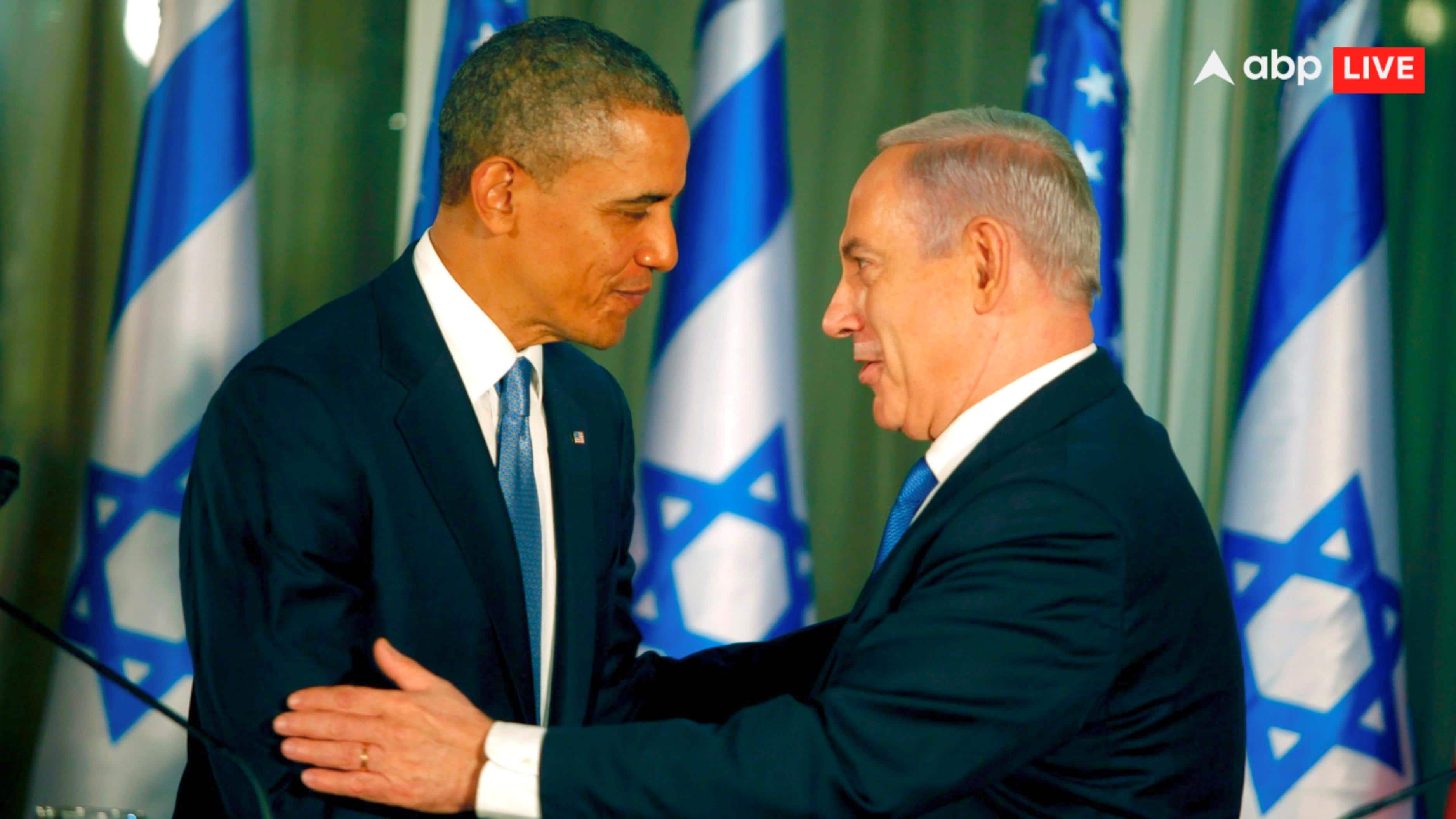
Another big force works behind this – American Israel Public Affairs Committee i.e. AIPAC. This is such a powerful lobbying group that has a deep hold on the leaders of both Democratic and Republican parties. But experts believe that AIPAC does not create any new strategy, rather it strengthens the already existing idea of American interests and Israel’s importance.
3. Not just money, technology is also a game
Dr. Rajan Kumar says that this relationship is not just about transaction, but also about technology and innovation. Take the Iron Dome missile defense system. America has contributed more than 1.6 billion dollars in making it. But who really benefited from it? American companies made its components and software. To put it simply, this is a ‘profit-dependent conflict structure’, that is, the more war, the more sales. This is the reason why senior officials like former CIA chief and former Defense Minister also join the boards of defense companies after retirement, so that this relationship deepens.
Netanyahu himself now wants to reduce this dependence. He recently said that he wants to bring American military aid to zero in 10 years and make Israel self-reliant. A big reason behind this is that Israel’s image is weakening among the American public. According to a Pew Research Center survey, about 60 percent of Americans now view Israel negatively.
So will the relationship between America and Israel break?
Foreign affairs expert and retired JNU professor A. Of. Pasha says, ‘This is not just a rift between two leaders, but the face of American politics which has remained the same for the last 78 years. No matter how big the conflict may be, the triple rope of strategy, money and technology tied at the foundation of this relationship is not going to be broken so easily.
At present, the eyes of the whole world are on whether this political tug of war between Trump and Netanyahu reaches a historic deal, or whether another dangerous military attack is announced against Iran.