
 By Admin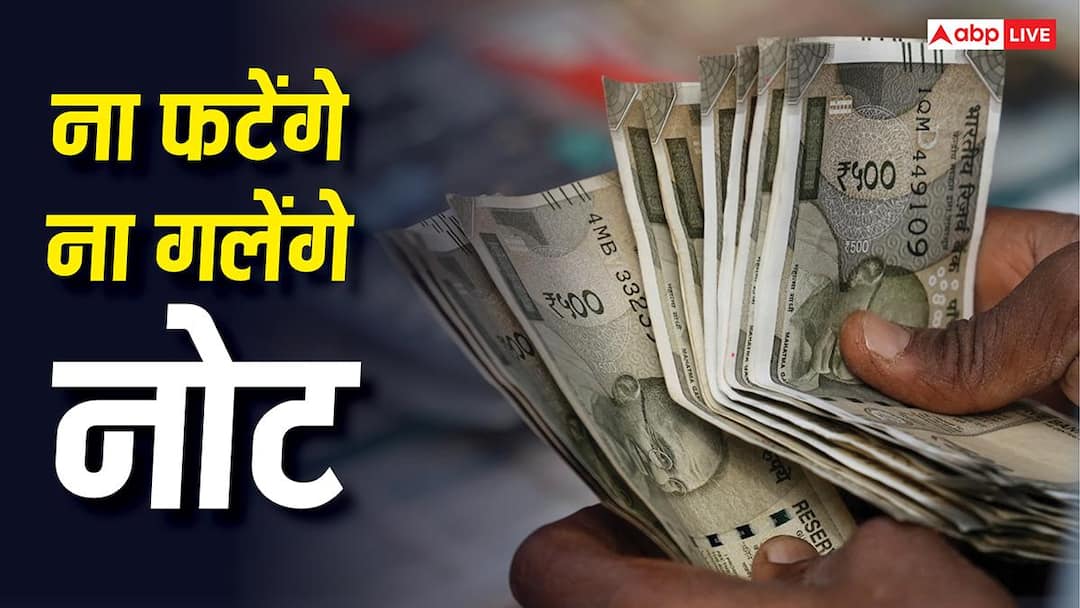
Polymer Currency: RBI Governor Sanjay Malhotra has announced that the Reserve Bank of India is considering the proposal to introduce polymer currency notes in the country. Malhotra said that this proposal is currently in the initial stage. Let us tell you that earlier also an attempt was made to introduce plastic notes, but then this attempt was not successful.
Why did it fail in the year 2012?
Let us tell you that in February 2012 also, India had tested plastic Rs 10 notes in 5 cities (Kochi, Mysore, Jaipur, Bhubaneswar and Shimla). But due to ATM and machine there was a lot of trouble, so it had to be stopped.
News Alert! RBI considering proposal to launch polymer currency notes, proposal at a preliminary stage, says Guv Malhotra. pic.twitter.com/2s0owJR9Ca
— Press Trust of India (@PTI_News) June 5, 2026
In countries where plastic notes are in use, how much is Rs 500 worth, see list
What is polymer currency?
Polymer currency, polymer banknotes are made from a flexible, flexible plastic substrate instead of cotton. These notes are made from Bi-axially Oriented Polypropylene (BOPP). Polymer notes are not as hard as cards, so they can be folded like paper notes.
What is the specialty of polymer currency?
- Unlike paper currency, polymer or plastic notes are more durable.
- Dirt and moisture have less effect on polymer currency.
- Due to the longer life of polymer currency, the need for repeatedly printing notes reduces.
Reserve Bank again announced, kept the repo rate at 5.25%.
In which countries are plastic notes already in circulation?
The arrival of this currency in India will not be a new thing. Australia was the first to use polymer currency. After this, polymer currency also started being used in Canada, Britain, Singapore, Malaysia, Thailand, Indonesia and Romania.