
 By Admin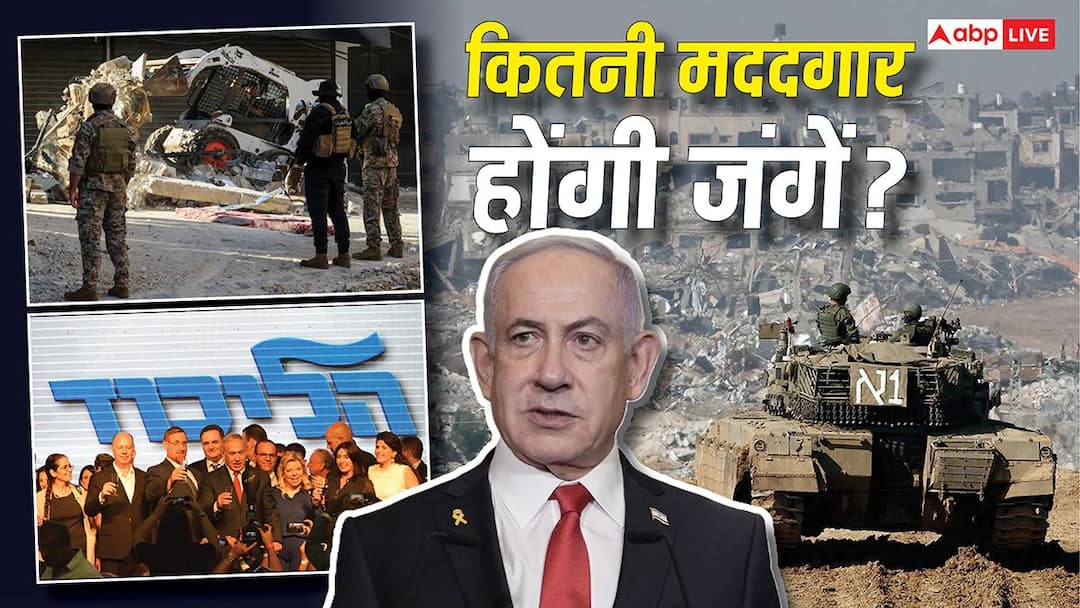
Benjamin Netanyahu is once again in the race for the post of Prime Minister of Israel. Likud Party has made it clear that he will lead the party in the general elections to be held in October 2026. But the question is whether the wars fought one after another to remain in power will be able to give them any political benefit or not. The ongoing tussle within the party and the ruling coalition, war fatigue, rising inflation and the crisis of basic needs are making Netanyahu’s path so difficult. What are his chances of victory amidst this?
Likud’s announcement and election date
The next parliamentary elections in Israel are to be held by October 27, 2026, although considering the political situation, these elections can be held earlier also. Putting an end to all speculations, Likud Party has announced that Benjamin Netanyahu will be the party’s candidate for the post of Prime Minister. “Netanyahu is our prime ministerial candidate and no one else,” Outlook India report quoted the party spokesperson as saying. That means the party has again bet on ‘Bibi’, even though her popularity is not the same as before.
Many battles to remain PM, but what was the benefit?
In the last few years, Netanyahu opened not one but many fronts to remain in power. The war against Hamas in Gaza, military action against Hezbollah in Lebanon and increasing tension with Iran, all these were issues which were pushed forward as a compulsion of ‘national security’. But its political benefits seem to be backfiring.
According to the report of Al Israel News, ‘More sirens, less votes’, that is, the more noise of war, the less votes will be for Netanyahu. The report warned that if there was another major military conflict with Iran, it could prove costly for Netanyahu in the electoral arena as the public is tired of constant war and wants permanent peace.
Internal tussle: Not only the opposition but even ourselves upset
The biggest challenge for Netanyahu is not only the opposition, but also his own coalition. At present his government is running with the alliance of right-wing and religious parties, but tension is increasing on many issues between these allies. The biggest problem is the military service of Haredi (extremist religious) youth. Radical parties want their youth to be exempted from military conscription, while the rest of the Israeli population is unable to tolerate this due to the war.
Besides, there are cracks in the alliance on the issue of budget distribution and judicial reforms. If this tension increases, it may lead to early elections, as has also been discussed in the commentary of Global Affairs. In case of a snap election, the situation will become even more difficult for Netanyahu because then he will not have a chance to show any big ‘victory’ to woo the voters.
Will the balm of war heal the wounds of basic needs?
Experts believe that the war has deeply hurt the Israeli economy. Rising inflation, severe housing shortage, loss of small businesses and the burden of security costs on everyday life are becoming a headache for the common Israeli. The issue of the release of people held hostage by Hamas has also not been completely resolved yet, due to which the anger of the families and the public has come out on the streets.
According to the Times of Israel report, in 12 surveys, 61 percent of Israelis want Netanyahu to leave politics before the next elections and only 30 percent are supporting him. 51 percent also want that elections should be held immediately. This figure clearly shows that the narrative of victory of the war is not able to suppress the pain of basic needs. There is no direct solution to the housing, inflation and jobs crisis through war and the public has now understood this.
What are Netanyahu’s chances of winning the elections?
If elections were held today, Netanyahu and his right-wing-religious coalition do not appear to get a majority. According to the Arab Center DC report, in the latest opinion polls, Netanyahu’s faction is reduced to 52-53 seats in the 120-member Knesset, while the opposition parties Yair Lapid’s Yesh Atid and Naftali Bennett’s New Hope-National Unity alliance together can reach 61-68 seats. Bennett’s party is expected to get around 20 seats and Lapid’s is expected to get 16-17 seats. Provided that these two leaders forget their mutual differences and form a strong block.
The same question has been raised in the op-ed of Daily Sabah: who will win, Bibi or Bennett? The answer depends on how united the opposition remains.
A big blow for Netanyahu could also be the statement of former US President Donald Trump. Trump publicly said that Netanyahu might soon leave politics. This statement is important because Netanyahu’s image has been a leader with strong Republican support in America. This stance of Trump can become a sign of weakness for him on the international front as well.
Unique election maneuver: Party linking EU and Ukraine in platform
An interesting twist has also emerged in the election environment. According to a report published in The Times of Israel, ‘The party which adds the European Union and Ukraine to its platform can win the 2026 elections.’ This is indicative of a centrist party strategy that wants to move away from Israel’s traditional security issues and focus on international alliances and global image.
If such a party emerges, it could attract voters who are fed up with Netanyahu’s war-oriented rule and the disintegration of the opposition. This will be another headache for Netanyahu as a section of his vote bank consists of centre-right voters, who may be tempted by a moderate option.
Overall, what does the election picture in Israel say?
Foreign affairs expert and retired JNU professor A. Of. Pasha says Netanyahu is certain to contest the election, but his path back to power is rockier than ever. The wars which he has been touting as his strength are now making him lose ground. The wounds of basic needs cannot be healed with the balm of war and the public has recognized this. If the opposition remains scattered, Netanyahu may once again be successful in forming a government through manipulation, but if Bennett and Lapid form a pre-poll alliance, then his majority will become almost impossible. Current polls indicate that Israel is probably ready for change, but it has proved wrong to ever underestimate Bibi.