
 By Admin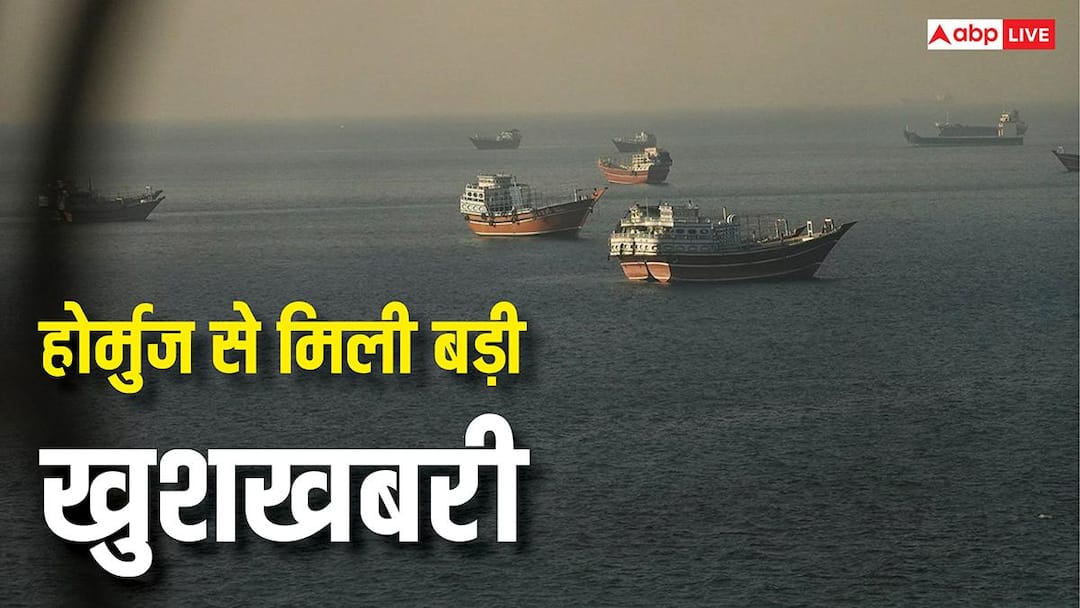
- The first LNG ship reached India after the US-Iran peace agreement.
- 48-72 hours to reach Indian west coast from Hormuz.
- It will take 6-8 weeks for the supply chain to completely normalize.
- Hundreds of ships stranded, limited movement continuing for safety.
Strait of Hormuz: India has got a big relief from the recent peace agreement between America and Iran. The first LNG carrier from the Strait of Hormuz has successfully reached the west coast of India. The LNG ship named Disha has reached Dahej Port in Bharuch district of Gujarat. Meanwhile, let us know how much time it takes for the ship to reach India from Hormuz.
How much time does the ship take to reach India?
The journey from the Strait of Hormuz to the west coast of India is much shorter than other international shipping routes. After crossing Hormuz, ships going towards ports like Kandla, Mundra, Mumbai or Dahej have to travel about 1000 kilometers in the Arabian Sea.
Large oil tankers and LNG carriers typically complete the journey in 48 to 72 hours, depending on weather conditions, maritime traffic and cargo load. Under good conditions, some ships can reach Indian ports in about 33 hours.
When will the situation become normal?
Even after the opening of the Strait of Hormuz after the peace agreement between America and Iran, it may take about 6 to 8 weeks for the global and Indian supply chains to become completely normal. Let us tell you that the supply chain cannot become normal overnight. Despite the peace agreement, many challenges remain on maritime traffic in this region.
Also read: Rebel Shiv Sena MPs get Y+ security, who will bear its expenses?
waiting for hundreds of ships
One of the biggest difficulties is the huge concentration of ships. According to reports, about 500 commercial ships and cargo carriers are waiting for clearance and safe passage in the Persian Gulf region. To maintain safety and avoid crowding, officials are initially allowing only a limited number of ships to pass each day.
Additionally, during the conflict, fears arose over sea mines and other maritime threats in strategic shipping routes. This is the reason why ships are currently being routed through safe corridors instead of using the full width of the route. Maritime safety agencies are investigating and monitoring the entire route before declaring it completely safe.
Also read: What is Pakistan’s periods tax, which the government used to collect from the public?