
 By Admin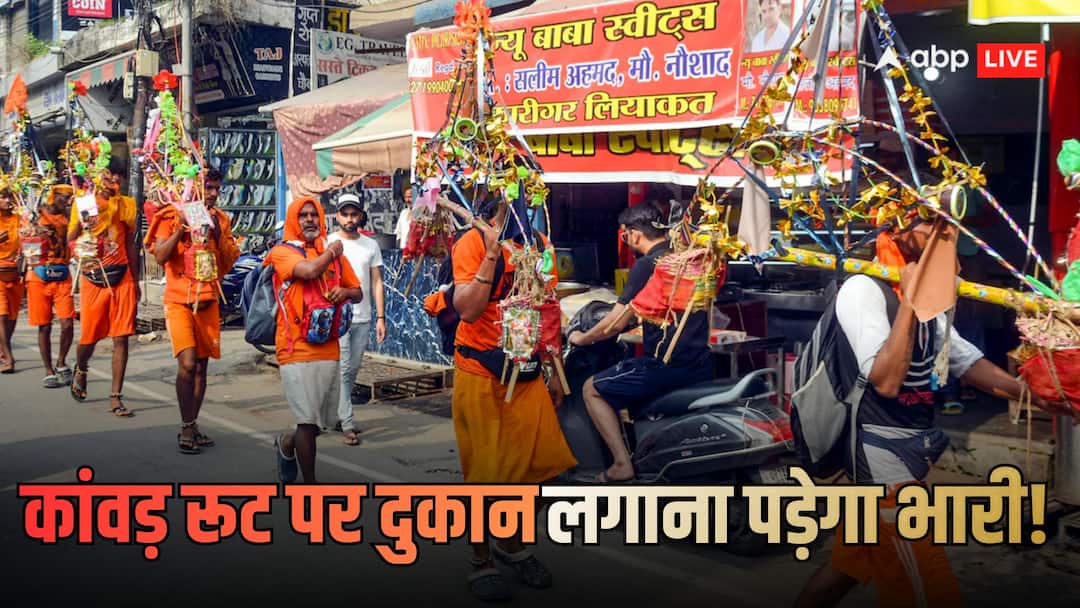
As soon as the month of Sawan starts, saffron starts waving on the roads of Uttar Pradesh and Uttarakhand. Lakhs of Kanwariyas move towards their villages and cities with Ganga water from Haridwar, Gomukh and Gangotri. But this time, even before the start of Kanwar Yatra, a controversy has arisen which has heated up the atmosphere of the entire state. This matter, which started from Muzaffarnagar, has now become a matter of debate from social media to the streets. Let us know in the explainer how the hate market starts with the Kanwar Yatra…
Controversy begins: An order that shocked everyone
On 11-12 July 2026, Muzaffarnagar district administration issued an order. It was said that all the shops, hotels, dhabas, street vendors and food stalls falling on the route of Kanwar Yatra will have to clearly mention the names of the owners and employees. Along with this, food information will also have to be shown. The administration’s reasoning behind this was that this would make it easier for the Kanwariyas to know where they are staying and where they are eating.
It was also said that under the Food Safety and Standards Act (FSSAI) it is already mandatory for every food seller to declare his identity. The administration also said that in the last few years, due to rumors, mobs vandalized shops and law and order deteriorated. The nameplate will make it clear who is the owner of which shop and rumors will be stopped.
Minister’s statement adds fuel to the fire
This controversy deepened when Uttar Pradesh Vocational Education and Skill Development Minister Kapil Dev Aggarwal openly supported this order. He said, ‘Kanwar Yatra is a symbol of faith of crores of devotees. This is a positive initiative to protect their religious sentiments and purity. There should be no harm in every shopkeeper revealing his identity.
After this statement of the minister, opposition parties and social organizations reacted sharply. Samajwadi Party spokesperson said that this is a well thought out strategy of the government to divide the society. Congress called it against the basic spirit of the Constitution. Muslim organizations said that this would target businessmen of a particular community.
Salt again applied to the wound of 2024
This is not the first time that a controversy has arisen over the nameplate during the Kanwar Yatra. In 2024 also, similar orders were issued in many districts of BJP ruled Uttarakhand and Uttar Pradesh. Then this matter reached the Supreme Court.
On July 22, 2024, the Supreme Court bench of Justice Hrishikesh Roy and Justice SVN Bhatti issued an interim order while hearing the matter. The court clearly said that ‘food shops, dhabas and street vendors cannot be forced to display their names.’ However, the court also said that it is the right of the administration to ensure cleanliness and health standards are followed. Despite this, this controversy is being repeated every year. Why after all?
Market of hate: what happens with it?
Experts believe that such orders serve not only administrative but also political purposes. There are three big aspects to this:
1. Fear of economic boycott
When the name of a shop on the Kanwar Yatra route is made public, many travelers may avoid going there after seeing a particular name. This has a direct impact on the livelihood of that shopkeeper. A Dhaba operator from Muzaffarnagar told the media, ‘We earn the whole year in Sawan. If customers do not come this time, our business will be ruined.
2. Spreading social polarization
Political analysts believe that such controversies are part of the election strategy. Lakhs of people participating in Kanwar Yatra are important voters of North India. Efforts are made to attract majority vote bank by keeping their religious sentiments at the centre. At the same time, the opposition sees the Muslim vote bank shifting towards itself. This game directly fuels the market of hatred.
3. Attack on small businessmen
According to FSSAI rules, registered food business operators are required to disclose their identity in advance. But small street vendors without valid licenses are most vulnerable to this order. Due to this, they are either forced to close their shops or become victims of discrimination.
What is the condition of Kanwar Yatra this year?
- Scale of Kanwar Yatra 2026: This time the Kanwar Yatra will start from 30th July and continue till 11th August. It is estimated that around 4.5 crore Kanwariyas will participate in this yatra.
- Major Routes: The most crowded routes are from Haridwar to Delhi, Meerut-Hapur and Saharanpur-Shamli-Baghpat. Shops on these routes have been ordered to install nameplates.
- Estimate of business loss: According to the estimates of Uttar Pradesh Industry Trade Board, the annual turnover of small businessmen falling on the route during Kanwar Yatra is around Rs 5,000 crore. In such a situation, it is expected that 20-30% business will be affected due to the nameplate dispute.
- Last year’s FIR: During the Kanwar Yatra of 2024, more than 15 minor and major incidents of communal conflict were recorded in Western UP, out of which 8 cases were related to rumors and mobs storming shops.
Legal dilemma: What does the Constitution say?
Article 15 of the Indian Constitution protects every citizen from discrimination on the basis of religion, caste, sex or place of birth. Article 19(1)(g) gives any person the right to do business of his choice. The Supreme Court has already made it clear that forcing someone to reveal his identity can be a violation of constitutional rights.
The Supreme Court has tried to strike a balance. The court says that the administration can enforce rules in the name of health and cleanliness, but it cannot target any particular class. Even in 2026, if the matter goes to court, it is likely that the same attitude as in 2024 will be repeated.
Who is likely to win in politics vs constitution?
Under the current circumstances, this matter can proceed in three directions:
- Court Door: Social organizations have indicated that they will again challenge this order in the Supreme Court. If this happens, then it can be banned by citing the interim order of 2024.
- Administrative strictness and conflict: If the administration remains adamant on its order, there may be clashes between shopkeepers and the police at many places. Already some business organizations have threatened to disobey the order.
- Political advantages and disadvantages: This matter is a double-edged sword for the government. On one hand, its Hindutva vote bank is happy, while on the other hand, it may have to suffer losses due to its anti-minority image.
Kanwar Yatra which is a symbol of devotion and faith in Shiva should be saved from such controversies every year. Whether the decision is of the court or the street, the question is whether this time we will be able to stop the market of hatred from heating up?