
 By Admin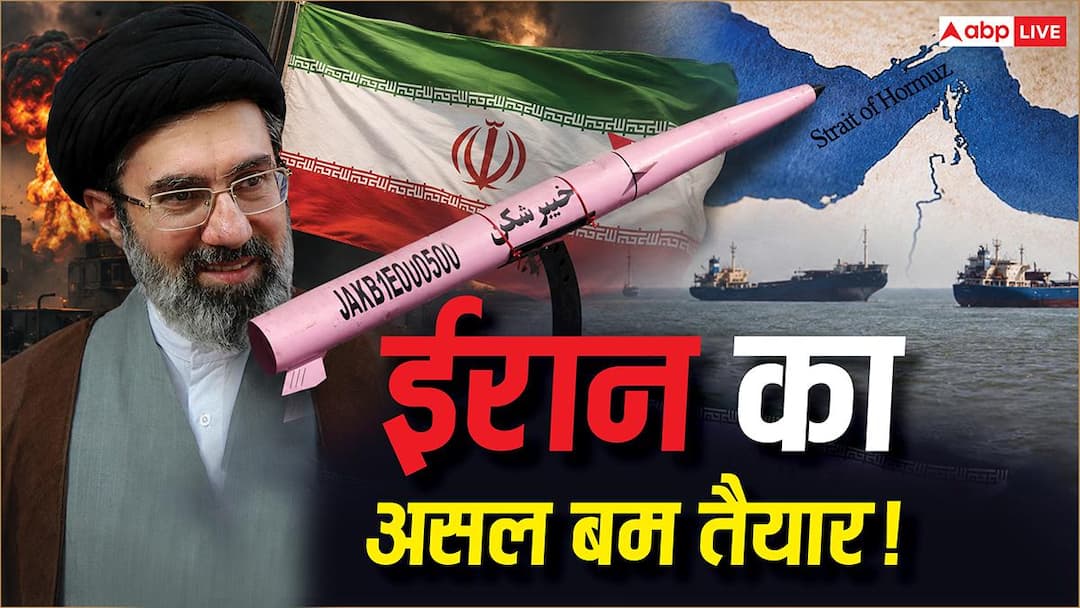
Iran has such a weapon that neither a missile nor a nuclear program is needed to operate it. Just one threat and major economies of the world will come to their knees. Iran first threatened the Strait of Hormuz, then targeted it and finally closed it ‘until further orders’ on July 12, 2026. So has Iran made an ‘economic bomb’ that can destroy the entire world’s economy without a nuclear explosion?
Why is the Strait of Hormuz so special?
This is not a common sea route. The Strait of Hormuz connects the Persian Gulf to the Gulf of Oman and the open Indian Ocean. Its width at its narrowest point is only 33 kilometers. The oil passing through this small strip of water is the heartbeat of the world economy. According to reports from the US Energy Information Administration (EIA) and the Congressional Research Service (CRS):
| Importance of Hormuz Strait | oil passing every day |
| total oil flow per day | about 20 million barrels |
| Share in total world oil consumption | 20% |
| share in world marine oil trade | 33% (one-third) |
| Share in world’s total LNG supply | 20% |
Apart from this, a large part of the world’s uranium and food grain trade also passes through this route. If this route is closed, not only will the prices of petrol and diesel start skyrocketing across the world, but food items will also become expensive.
What is this ‘economic bomb’?
According to TIME magazine, ‘Controlling the Strait of Hormuz is Iran’s real nuclear option.’ It is being called ‘economic bomb’ because its method of destruction is unique:
- Effect without firing: When Iran threatened to close Hormuz for the first time in March 2026, not a single missile was fired. Yet the insurance companies immediately withdrew the insurance cover given to the tankers. As a result, tanker movements fell by 70% and the price of Brent crude oil crossed $100 per barrel for the first time in four years.
- Cheaper and faster than a nuclear bomb: It takes decades to build a nuclear bomb and costs billions of dollars. All Iran has to do is threaten to close Hormuz with its navy and missiles and the entire world economy gets shaken.
- Losses worth bearing: This is also a kind of ‘suicide bomb’ because if Hormuz is closed, Iran itself is not able to sell its oil. Iran estimates that the harm it will cause to other countries is much greater than its own loss. That’s why he is ready to take this risk.
Who will be hit by the economic bomb?
Foreign affairs expert and retired JNU professor Dr. A. Of. According to Pasha, the closure of Hormuz will affect everyone, but its impact on Asian countries will be no less than an economic earthquake. Asia’s major economies are most dependent on Gulf oil for their energy needs:
1. Biggest blow to China
37.7% of the total oil passing through Hormuz goes to China alone. China fulfills 80% of its total energy needs through this route. If this route remains closed for a long time, China’s factories may come to a standstill and its economy will be deeply hurt.
2. A plate of food is also expensive in India
14.7% of the oil passing through Hormuz comes to India, but India’s helplessness is much greater. India imports 85% of its crude oil and 50% of its LNG requirement. According to the report of the International Food Policy Research Institute (IFPRI), India’s GDP and domestic income are certain to decline due to the closure of Hormuz. The biggest hit will be on farmers and common families. India imports 60% of DAP fertilizer and the entire potash requirement is also met by imports. The effect of closure of Hormuz will not be limited to petrol pumps only, but will also increase the prices of vegetables, pulses and bread.
3. Industrial shock to Japan and South Korea
10.9% of the oil passing through Hormuz goes to Japan and 12% to South Korea. Both countries import most of their energy and their industries run on oil. The closure of Hormuz would mean slowing down of their factories and increase in inflation.
4. Oil exporting countries also in trouble
The interesting thing is that not only the oil buyers but also the oil sellers will fall prey to this bomb. Gulf countries like Saudi Arabia, UAE, Kuwait and Iraq send their oil out through this route. When Hormuz closed in March 2026, Iraq and Kuwait had to reduce their oil production within a few days because they ran out of space to store oil. On the other hand, countries like America and Russia benefit from expensive oil.
How much will prices rise and how much will growth fall?
Retired JNU professor and economist Dr. Arun Kumar has given three different results:
Estimates of oil prices:
| state of war | Average price of oil (in 2026) |
| If the war ends in April 2026 | $82 per barrel |
| If the war lasts till July 2026 | $100 per barrel |
| If the war continues for a whole year | up to $125 per barrel |
According to The Economist, if Hormuz remains closed till the last quarter of the year, then global GDP growth in 2026 will be 1.9%, which is called recession. Whereas in 2027, global GDP growth may be around 1.4%.
The World Bank estimates that due to the closure of Hormuz, the global inflation rate may reach 4% in 2026, which will severely affect the purchasing power of the common people.
What is the situation now after the closure of Hormuz?
By the beginning of July 2026, the situation was such that only about 2 tankers were passing through Hormuz every day, whereas on normal days 60 tankers used to pass. So now:
- Relief path: If a diplomatic agreement is reached between America and Iran and Hormuz is opened, then there will be a huge fall in oil prices and the world will heave a sigh of relief.
- stop way: Hormuz remained closed, but the scope of the war did not increase. In such a situation, the price of oil may remain between 80-90 dollars per barrel, due to which inflation will increase but the whole world will not be in the grip of recession.
- Path of Destruction: Hormuz remains closed and the war spreads on a larger scale. In this situation, oil will cross $100 per barrel and there will be a danger of serious economic crisis and recession from Asia to Europe.
Which trump card does Iran have?
Dr. A. Of. Pasha says, ‘By controlling Hormuz, Iran has actually acquired a weapon with the help of which it can force the world’s major powers to obey its wishes. Iran’s economic bomb has the power to bring the enemies to their knees economically without any major attack. The real question is how America and its allies respond to this unique challenge. How do countries like India and Japan find their way out of this fire?