
 By Admin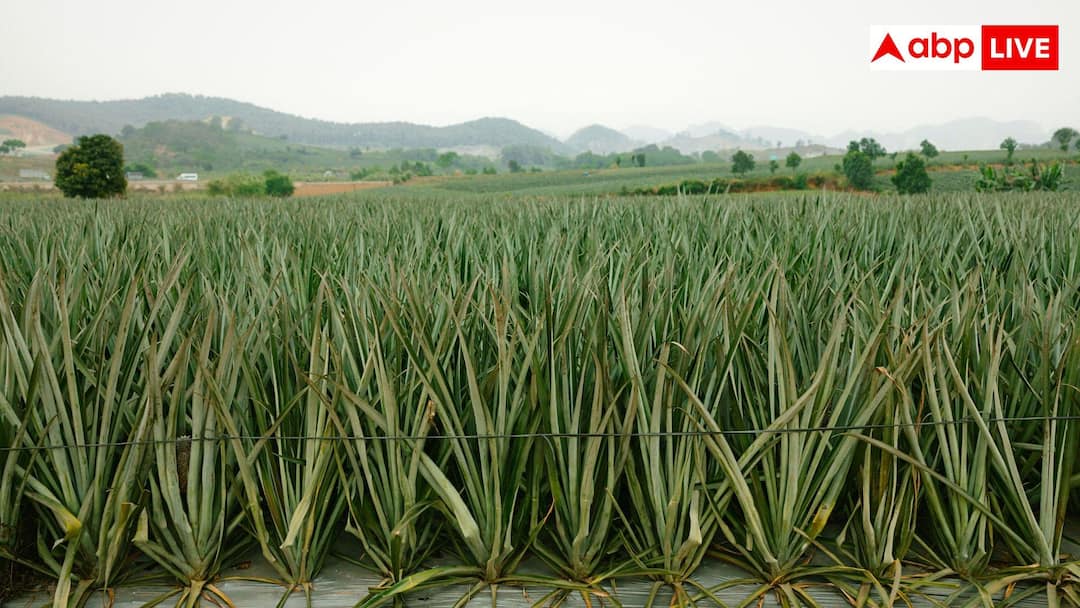
Aloe Vera Farming: In today’s time, along with traditional crops, the trend of medicinal and less water demanding crops is increasing rapidly in the agriculture sector. In this context, Aloe Vera cultivation is proving to be a very profitable deal for the farmers. Due to its huge demand in cosmetics, Ayurvedic medicines and health drinks, bumper profits can be earned from its cultivation. If you are also thinking of starting Aloe Vera cultivation, then let us know A to Z information about its easy and correct method.
Farming is done even in less water and less fertile land
Aloe vera cultivation does not require very fertile land or much water. It grows easily even in barren, rocky and light sandy soil. It is just important to keep in mind that water should not stagnate in the field at all, because waterlogging can cause its roots to rot. Also, hot and dry climate is considered best for its development.
At the same time, preparing the field for its cultivation is also very easy. There is a need to make the field level by plowing the field thoroughly once or twice, making the soil loose and compacting it. Also, the best time to plant its saplings is from July to August i.e. the beginning of the rainy season. Along with this, while planting the plants, a distance of about 60×45 cm should be kept between the plants so that they get enough space to spread.
Also read: PM Kisan Yojana: Next installment of these farmers will be delayed, know the reason
Aloe vera is a plant that requires very little care and fertilizer and water. While preparing the field, it is beneficial to add some decomposed cow dung, and there is no need for much chemical fertilizers. Light irrigation is required in the beginning, but after the plant gets established, it requires very little water, and during rainy days, irrigation is not required at all.
Besides, the income from its crop is also quite good. Its leaves become ready for harvesting about 8 to 10 months after planting. Once the plant is ready, you can cut its leaves 3 to 4 times a year. You can earn bumper profits by selling these leaves directly to Ayurvedic companies, herbal product manufacturing factories or local markets.
Also read: Has the crop insurance scheme money arrived or not? How to check while sitting at home