
 By Admin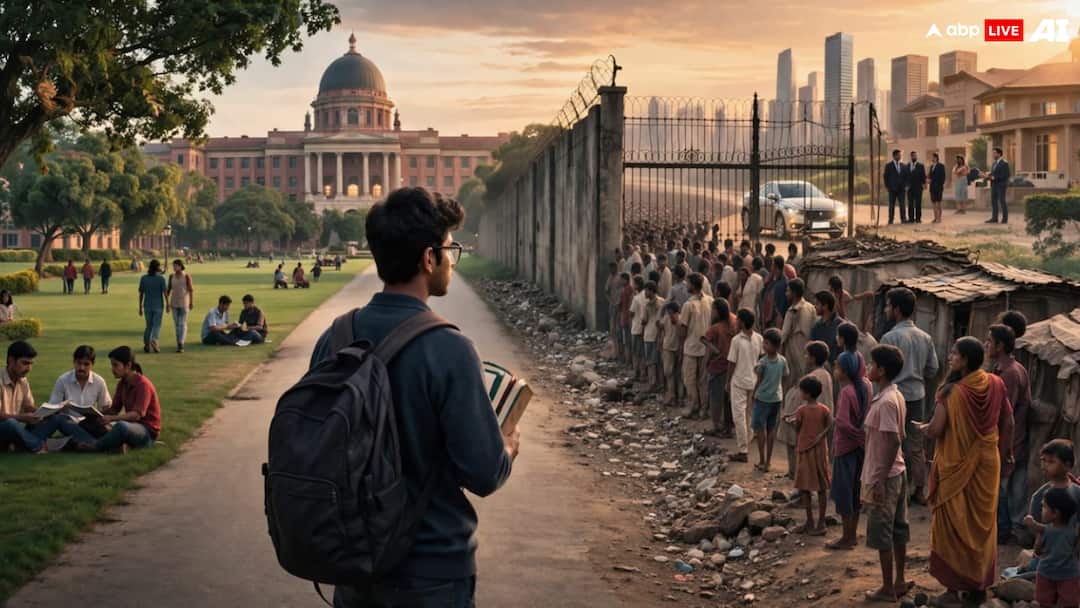
Colleges and universities have grown rapidly in the country. Seats increased, new courses opened and institutions reached cities and towns. Still the question remains, are children of every class able to access higher education equally? Statistics show that access has increased, but opportunities are still not equal between rich and poor and different social classes.
Higher education in India has gained rapid pace in the last years. Whereas in 1950 there were only about 500 colleges, today their number is more than 50 thousand. Universities are also counted in hundreds. The share of college-going youth among 18-23 year olds is expected to increase from 16% in 2012 to 28% in 2022.
Differences between social classes still persist
Enrollment increased, but not equally in all categories. In the last decade, the GER of Scheduled Caste (SC) students increased from about 18% to 26%. In Scheduled Tribes (ST) it reached 12% to 19%. But these figures are still lagging behind compared to the general category and OBC.
Also read: The wait is over! CBSE 10th result soon, know how to check
Choice of course also depends on income
On one hand, a big difference is seen in the choice of course. Children from better income families choose engineering, professional and technical courses more. Students from low-income families go more towards humanities (Arts) and commerce.
According to reports, the average expenditure on an engineering degree in four years is Rs 6-8 lakh. This expense increases further in private colleges. Medical education is even more expensive than this. In such a situation, it becomes difficult for low income families to access these courses.
Expenses become the biggest wall
Many surveys show that college fees, hostels, books and the cost of living in the city are major hurdles for poor families. Many times students leave their studies midway or choose cheaper courses. Just opening colleges is not enough, it is also necessary to make education affordable and accessible.
This is also a big difference
The number of colleges is more in the states of South and West India, while many districts of North and East still have less institutions. In some districts there are less than 10 colleges, while in some places there are hundreds. Similarly, the teacher-student ratio is also not the same everywhere. Where there are good colleges, there are more teachers and better facilities; In other places, students have to study with less resources.
Also read – Big change started from Delhi, CBSE included AI and Computational Thinking in the syllabus.
Education Loan Information:
Calculate Education Loan EMI