
 By Admin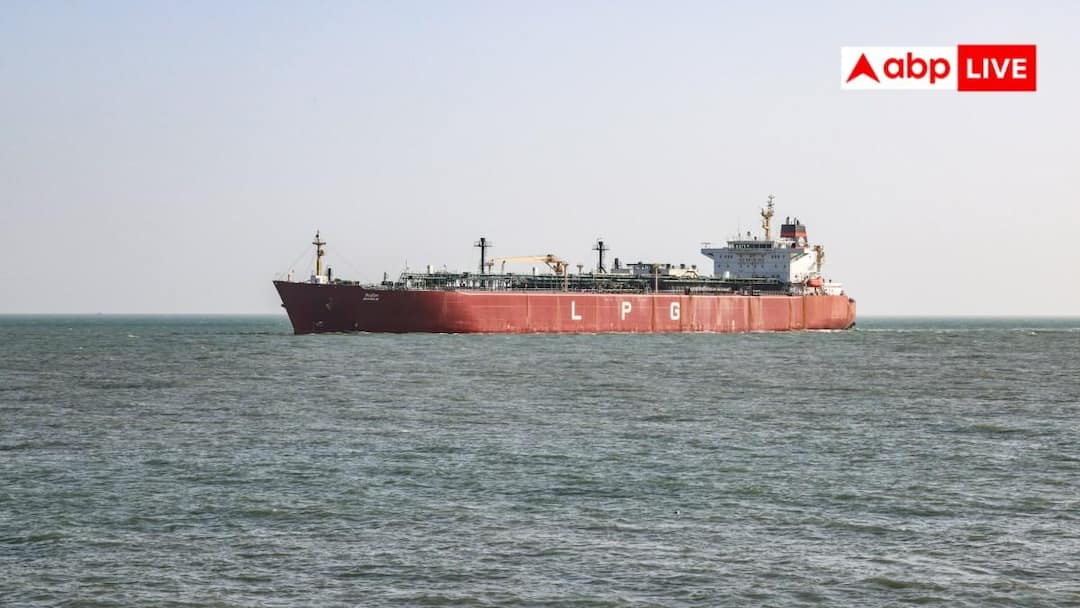
Tension has once again increased between America and Iran. The ceasefire in June did not last long and the situation started deteriorating again from mid-July. The US has increased its strictness on Iranian shipping and imposed new conditions on ships passing through the Strait of Hormuz. Its effect is now clearly visible in the world oil market. Brent crude has once again reached around $81-82 per barrel. The International Energy Agency had called it one of the biggest supply disruptions in the history of the global oil market.
This news is important for India because one of the biggest weaknesses of our economy is energy import. India buys most of its crude oil and large quantities of cooking gas from abroad. In such a situation, the crisis arising in Hormuz can start affecting the kitchens of Indian families, petrol pumps, industries, stock market and government treasury within a few days.
Then why is Hormuz an important link?
Now everyone knows that Hormuz may appear to be a narrow sea route on the world map, but the heartbeat of the global economy passes through here. As the threat to the Strait of Hormuz increases, turmoil begins in oil markets around the world. Every day about 20 million barrels of crude oil i.e. about 25% of the world’s seaborne oil trade passes through this route. Not only oil, about 20% of the world’s LNG (Liquefied Natural Gas) is also exported through this sea route.
After increasing tension, many ships have reduced their passage through Hormuz. In a few days, there were reports of traffic reducing to single digits in places where more than 130 ships used to pass. Many oil tankers even switched off their tracking systems due to security reasons. Marine insurance premium has increased by about 50%. This simply means that transporting oil from one place to another has now become more expensive than ever.
What is the biggest threat to India?
India is the world’s third largest oil consumer but imports 85 to 90 percent of its crude oil requirement. The biggest concern is that about 30 to 45 percent of India’s total oil imports come through Hormuz. That is, if this sea route remains affected for a long time, then India may not only face the challenge of supply of expensive oil. In such a time, India will have to buy oil from other countries, the price of which will be higher and transportation will also take more time.
How will petrol and diesel be affected?
Whenever the crisis in Hormuz increases, the first thing crude oil prices go up is. When the situation worsened in March and April 2026, Brent crude reached around $ 120 per barrel. After tensions increased again in July, prices have again reached around $ 84-85 per barrel. Oil companies in India buy crude oil from the international market. In such a situation, if oil remains expensive, then either the government has to reduce the tax or increase the prices of petrol and diesel.
In May 2026, the government had increased the price of petrol and diesel by a total of Rs 7.5 per liter in four phases. If the Hormuz crisis drags on, prices may remain under pressure in the future.
Why is LPG considered the biggest threat?
The situation with LPG is more serious than petrol and diesel. India buys about 60 to 67 percent of its LPG requirement from abroad and about 90 percent of these imports come through Hormuz. This means that if this sea route is disrupted, the supply of domestic gas cylinders may be affected and prices may also increase.
According to government data, by June 2026, government oil companies were incurring a loss of Rs 500 to Rs 700 on every domestic LPG cylinder. If prices increase again in the international market, the government will have only two options: either increase the subsidy or make the cylinder expensive.
How much pressure will increase on oil companies?
The biggest impact of oil becoming expensive falls on government oil companies. Government undertakings like Indian Oil (IOCL) – Bharat Petroleum (BPCL) and Hindustan Petroleum (HPCL) are sometimes not able to increase prices immediately due to political and social reasons.
According to government data, by June 2026, the total under-recovery of these companies had reached Rs 2.19 lakh crore, which means that the companies continued to sell fuel at below cost for a long time. If crude oil prices rise again rapidly, this financial pressure may increase further.
How will India’s import bill increase?
India buys oil in dollars. This means that as oil becomes expensive, the country will have to spend more foreign exchange. Economic experts estimate that every $10 per barrel increase in crude oil increases India’s annual import bill by about $13 to 14 billion. This is the reason why India’s trade deficit increased to $30.4 billion in June 2026. Import of expensive oil and fertilizers played a big role in this.
Why does the rupee weaken?
When oil companies buy more dollars, the demand for foreign currency increases. Increase in demand has a direct impact on the rupee and its value starts falling. A weak rupee not only makes oil expensive, but also electronics, machinery, medical equipment and other imported goods. This increases inflation further and may also weaken the confidence of foreign investors.
Why does inflation increase?
Diesel is considered the backbone of India’s supply chain. Most of the goods in the country are transported through trucks and most of the trucks run on diesel. As diesel becomes expensive, the cost of transportation increases. Its effect is visible on fruits, vegetables, milk, grains, cement, steel and almost every everyday item.
In June 2026, retail inflation was recorded at 4.38 percent and food inflation at 5.32 percent. If oil prices rise rapidly again, the pressure on inflation may increase further.
Who will win and who will lose in the stock market?
Not every company is affected by expensive oil. Industries whose costs depend largely on oil suffer the most losses. The costs of airlines, paint companies, chemical industries, tire manufacturers and logistics sector increase due to which their profits decrease. On the other hand, companies like ONGC and Oil India benefit because they extract crude oil and sell it at a higher price.
What preparations is India making now?
This crisis has made it clear that just buying oil daily will not suffice. India needs large strategic reserves. At present, India has a Strategic Petroleum Reserve of 5.33 million metric tons, which can meet the needs of only 9.5 days. Whereas IEA recommends keeping strategic reserves of about 90 days.
That is why the government is now creating a new stock of 1.75 MMT in Mangaluru. An agreement for storage of 30 million barrels of oil has also been signed with UAE’s ADNOC. The government aims to create a strategic oil reserve of 120 million barrels and a separate LPG reserve of 30 days so that future crises like Hormuz have minimal impact on the country. Even before, India has faced a few months because Hormuz is thousands of kilometers away but the pulse of India’s economy is linked to it.
This crisis is not only of oil but also of energy security, inflation, rupee, trade deficit, government finances and the pockets of the common man. This is the reason that every time tension increases in Hormuz, India has to keep an eye not only on the news but also on its entire economic strategy.
Also read: Fierce collision between two ships in Hormuz, ‘bulk carrier’ blown up, Iran saved lives of 23 crew members