
 By Admin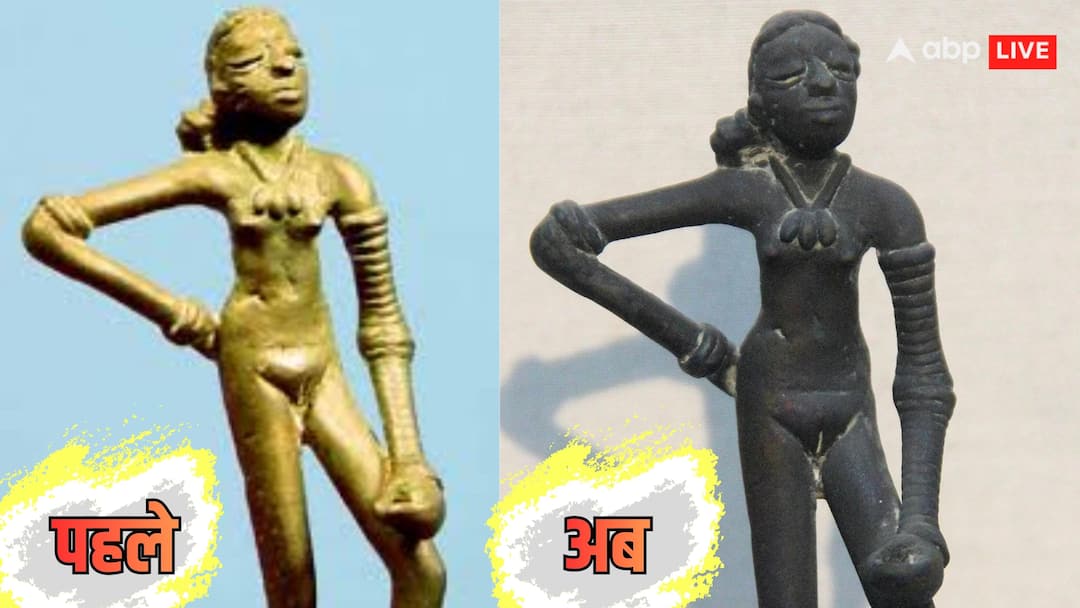
The 4000 year old bronze statue of the famous ‘Dancing Girl’ of Mohenjodaro, which we can still see with the naked eye. This idol is known to the world for its unique art and self-confidence, but it was printed under the cover of NCERT book. The question arises whether we are so afraid of our own history that even a 4,000 year old bronze statue has to be dressed up? This is the same statue which was found in 1926 and which has found a place in big museums of the world, but it got censored in the school textbooks of India in the name of ‘decency’. So know the secret of this idol, why did NCERT do this and are we really afraid of ‘Dancing Girl’?
This priceless statue was found in 1926
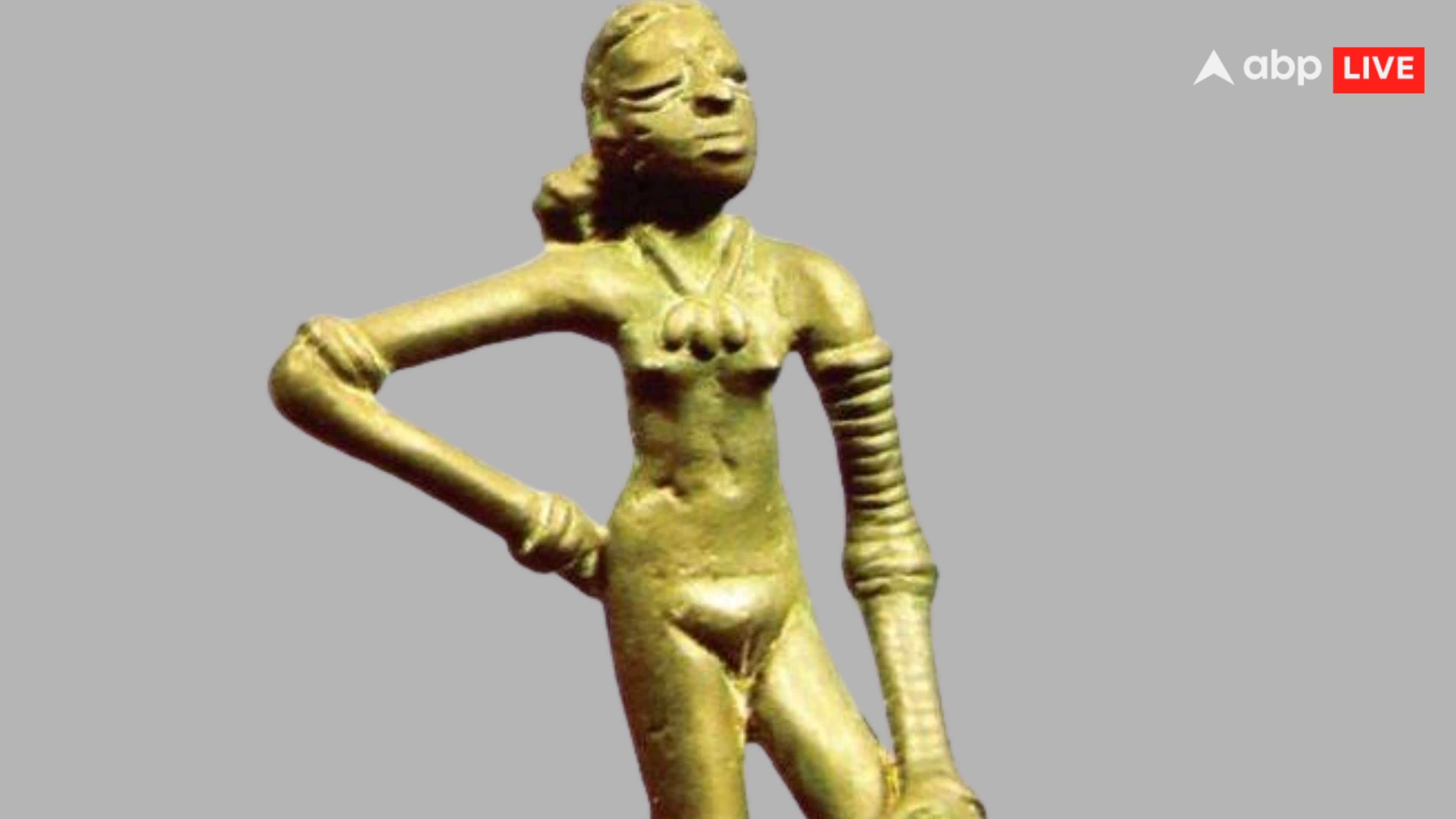
‘Dancing Girl’ is one of the most famous artefacts of the Indus Valley Civilization. It is made of bronze and is only 10.5 centimeters long. It is believed that it is around 2600 BC.
- Where found: During the excavation of Mohenjodaro located in Sindh province of Pakistan in 1926.
- What does it look like: It is a statue of a teenage girl, standing with one hand on her waist, chin slightly raised and one knee bent. She has tied her hair in a bun and is wearing jewellery.
- Where is it kept: This statue is currently kept in the National Museum, Delhi.
- Why is it special: This is a great example of advanced metallurgy and art of that time. There is confidence and ease in its posture. The statue was made using the ‘lost-wax technique’, which is still used in some parts of India.
What changes were made in NCERT book?
The picture of the idol was included in the first chapter ‘History of Arts’ of the new book named ‘Madhurima’ of class 9th. But in this picture:
- The open torso of the statue was covered with dark shading.
- The color of the statue was also changed.
That is, an idol was shown in the book, which actually does not exist anywhere. This is even more shocking because this idol was being printed in its original form in NCERT books for the last 25 years. No changes were ever made in it.
What did NCERT give as the reason for this act?
When this matter came to light and the uproar started, NCERT Director Dinesh Prasad Saklani said that there is no special reason for covering the torso. However, there was speculation in media reports that this might have been done due to concerns about nudity. Michelle Danino, head of the book’s committee, revealed that she had previously been told that the ‘Dancing Girl’ figurine was deemed ‘not age-appropriate’. However, Danino and his team did not agree to this.
Why did historians and academics protest?
This change was heavily criticized: allegations were made that:
- Censorship and tampering with history: Historian Michel Danino described this as ‘censorship’ and said that changing such a statue was tantamount to ‘creating a fake artwork’. He described it as offering fig leaves on Michelangelo’s famous statue ‘David’ in the church.
- ‘Old Victorian Thinking’: Danino said considering nudity as bad is ‘an old Victorian idea.’ He taunted that when we talk about ‘change in the basic structure of education’, such thinking is against it.
- Injustice to students: Danino asked whether students would now be prevented from seeing the original statue and other historical statues kept in the National Museum?
- Not trusting the intelligence of students: According to ‘The Indian Express’, the dancing girl is important not because she meets some blind standard of decency, but because she exudes confidence, poise and an indelible presence.’ If the job of education is to introduce the youth to the world, then NCERT should trust the students more.
What did NCERT do after the controversy?
NCERT decided to back down after huge protests:
- Changes in digital version: NCERT Director Dinesh Saklani said that the original picture has been immediately restored in the online (digital) version of the book.
- Changes in printed books also: The original and unaltered photograph will also be printed in the upcoming print edition.
- Cleaning: NCERT said that this decision has been taken after consulting experts.
This is not the first time…
Interestingly, a similar attempt was made in 2023 also. Then the Ministry of Culture had made ‘Dancing Girl’ its mascot, but she was presented wearing a pink blouse and yellow skirt. That is, attempts to give a ‘cultural’ look to the statue have already been made.
So why are we afraid of the ‘dancing girl’?
This question is a matter of debate. Critics believe that if we feel uncomfortable looking at a 4,000-year-old artefact, it reflects the limits of our own thinking, not the artefact itself. ‘If the Dancing Girl cannot be seen in its original form and in a chapter of art, then that is a serious problem,’ says Danino.
This controversy is not just about a statue, but a question of how we want to treat our history, our art and our students. Should we make them aware of the truth or present it in a veiled manner? NCERT’s decision has proved that the truth cannot be hidden, but this debate may deepen further in the future.