
 By Admin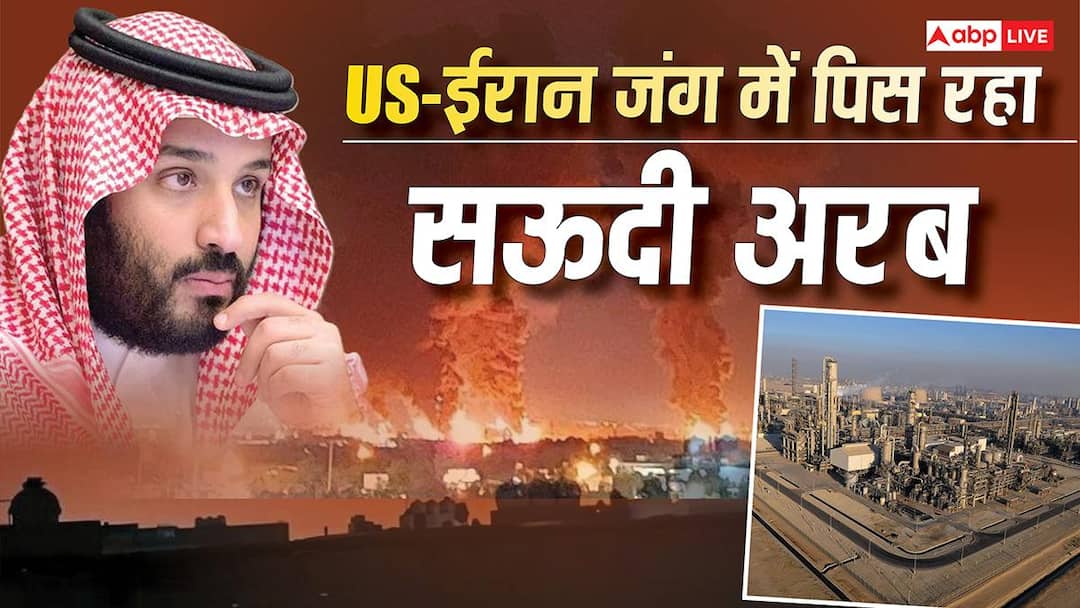
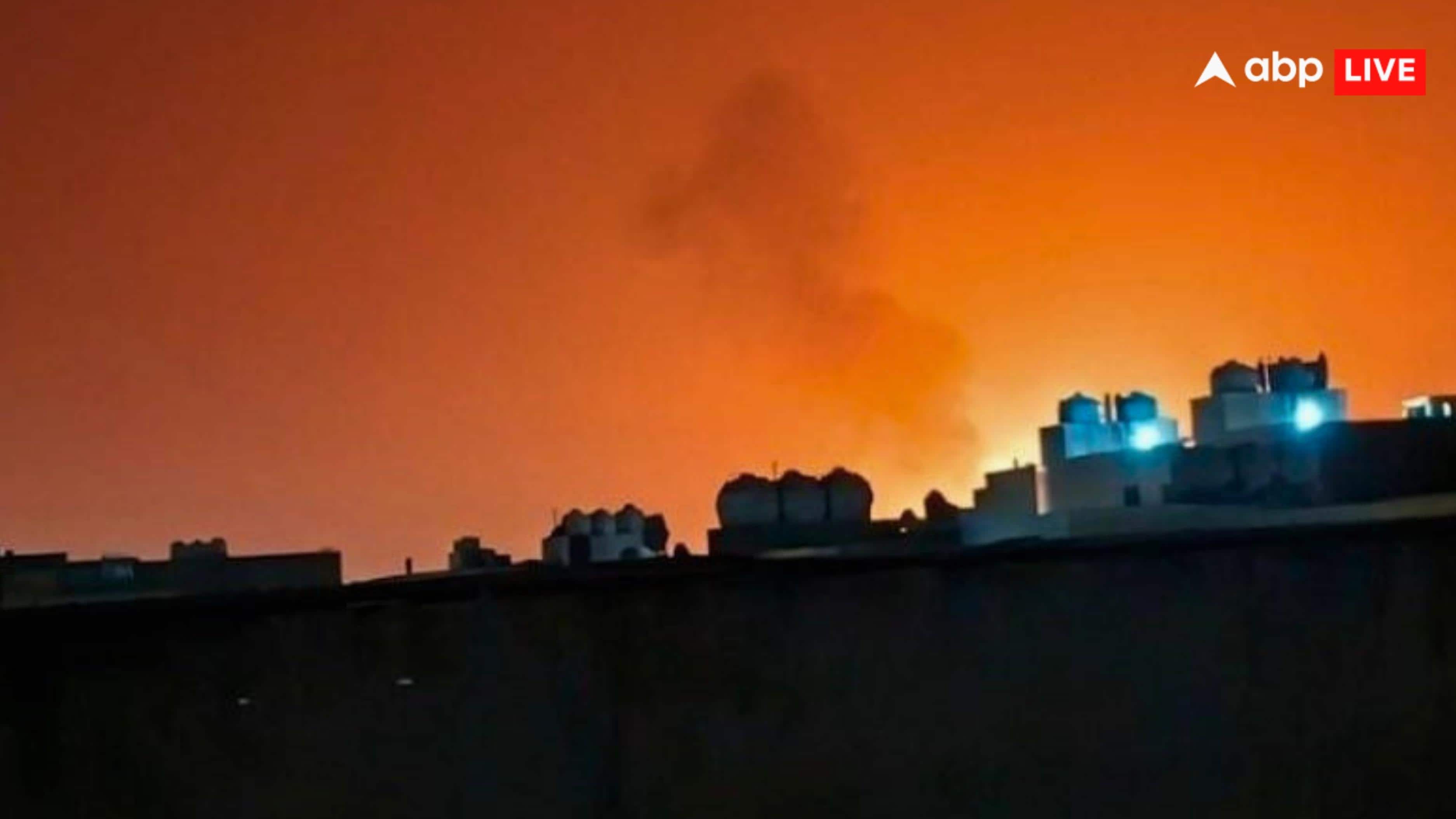
On the morning of 7 April 2026, Iran broke the backbone of Saudi Arabia i.e. attacked Saudi Arabia’s industrial city Al Jubail. Loud explosions, high rising flames and clouds of smoke were seen in the city. Saudi Arabia’s air defense system destroyed 7 ballistic missiles in the air, whose debris fell near energy facilities. At present, damage assessment is going on, but just as a person is confined to a wheelchair when his spine is broken, something similar can happen to Saudi Arabia. How? Let us understand in the explainer…
Question 1: What is Al Jubail Industrial City and why is it important for Saudi?
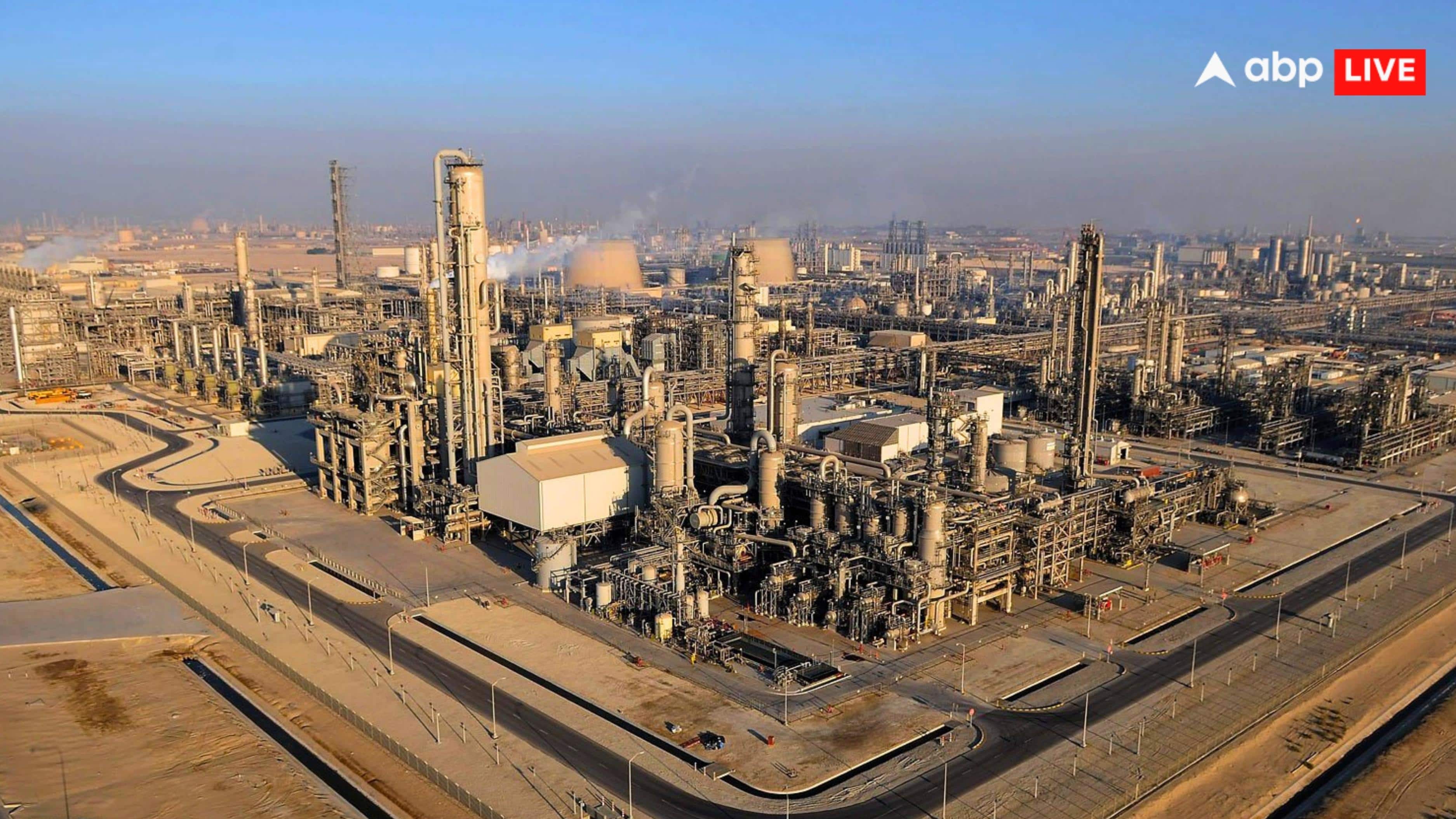
answer: Al Jubail is the largest industrial city of Saudi Arabia, located in the Eastern Province. It is spread over an area of more than 1,000 square kilometers and is considered the world’s largest petrochemical hub. There are plants of giants like Saudi Arabian Basic Industries Corporation (SABIC), which produce about 7% of the world’s total petrochemical production. Apart from this, Saudi Aramco’s 4.60 lakh barrel per day capacity SATORP Refinery, Amiral Petrochemical Complex, Sadara Chemical, Carbon Capture Hub, Cogeneration Plant and Power-Water Plant are also located here.
The city contributes 7-12% to Saudi GDP and accounts for more than 11% of non-oil GDP. Under Vision 2030, it helps Saudi to reduce its dependence on oil. Bethel Company called it a miracle of engineering. Here things like steel, gasoline, fertilizers and plastics are made which run the supply chain of the entire world.
Question 2: Now the biggest dilemma is why did Iran attack here?
answer: This attack was a retaliation to Israel’s attack on Iran’s South Pars Petrochemical Plant. Iran had already warned that if its energy infrastructure was attacked, the petrochemical hubs of Gulf countries would be the target. This attack is a new phase of tension between the Strait of Hormuz.
Question 3: What does it mean when an industrial city is destroyed? How big a blow will Saudi face?
answer: Foreign expert and NEHU professor Prosenjit Biswas says, ‘The destruction of Al Jubail does not just mean the loss of one city, but it also means shaking the backbone of the entire Saudi economy. Petrochemicals like polymers, methanol and urea produced from here run industries around the world. If plants like SABIC or SATORP suffer serious damage, production may stop. Damage assessment is currently underway, so there are no exact figures, but if 7% of SABIC’s global output is affected, Saudi will suffer a loss of billions of dollars. Vision 2030 projects will be affected, non-oil GDP will fall and employment will be affected. The supply chain is already disrupted due to the fire.
Question 4: What will be the overall impact on Saudi Arabia?
answer: Prosenjit Biswas believes that Saudi Arabia will be hit in three major ways:
- Economic: Petrochemical exports may decline, which will blow Saudi’s diversification plan.
- Energy Security: This is the second major blow after the Hormuz closure. Earlier Saudi was benefiting from Hormuz because of the East-West Pipeline, but now the domestic industrial hub has been attacked.
- Political: Saudi is silent till now, but increasing regional tension will increase the pressure on its defense system.
No major production halt has been confirmed yet.

Question 5: What effect will this attack have on the entire world?
answer: Prosenjit Biswas says that this attack is a big threat to the world’s petrochemical supply. If SABIC’s production is affected, prices of plastics, fertilizers, medicines and auto parts may increase. Global inflation may increase by 1.5-2%. Oil prices are already high (Brent around $110), this attack could lead to further increases. The economies of Asia, Europe and Africa will be affected because 20% of oil and LNG comes from the Gulf. If the fire spreads, carbon capture projects may also come to a halt, which will affect global climate goals.