
 By Admin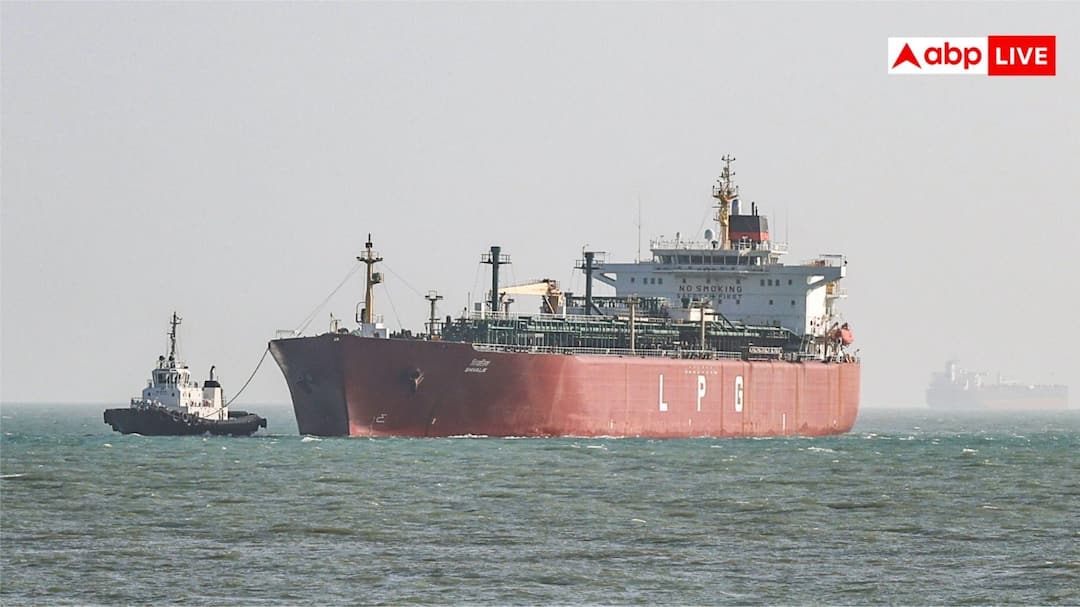
- India’s energy supply was affected by Iran’s Hormuz blockade.
- As tensions escalated, 36-38 Indian ships got stranded, 23-25 were rescued safely.
- Government declared LPG supply normal, increased domestic production capacity.
LPG Gas Supply through Hormuz: The US and Israeli attacks on Iran started on February 28, 2026. After this, Iran retaliated by announcing a blockade on this route. This route is important for the supply of about 20 percent of the world’s oil and natural gas. The disruption disrupted international energy markets and forced governments and shipping companies to develop new strategies to keep trade running.
This matter was very important for India, which It is largely dependent on this waterway for its energy needs. from india About 30 percent of crude oil and about 70 percent of liquefied petroleum gas (LPG) come through this route. However, the situation worsened Despite this, India has been successful in maintaining continuous movement of ships through this area.
Are Indian ships stranded in Hormuz?
When tensions escalated in late February and restrictions were imposed on Hormuz, 36 to 38 Indian-flagged commercial ships were either stranded in the Gulf area or around the Strait of Hormuz. There were more than 1,100 Indian sailors on these ships. Many ships were loaded with essential goods related to India’s energy needs and commercial supply chain. Some other ships were waiting to carry goods essential for industrial production and domestic consumption.
According to government data, around 23 to 25 Indian flagged ships have successfully exited Hormuz since mid-March. As of the end of May, only 13 Indian-flagged ships are reported to be remaining in the Gulf or in the strait area. The government is conducting a high-priority emergency operation to rescue them safely.
Is there gas shortage in India?
According to the official statement of the Government and the Petroleum Ministry, the supply of domestic cylinders in the country is completely normal and safe. To reduce dependence on Hormuz, oil refineries within the country are working at their maximum capacity. With this, daily LPG production has increased to 50000 metric tons, which is meeting more than 60% of the total requirement of the country.
While assuring the countrymen, Union Petroleum Minister Hardeep Singh Puri has clearly said, “There is no shortage of LPG cylinders in the country for domestic consumers and the gas supply is completely normal.” There is no need for citizens to panic in any way.
Also read:
LPG Price Hike: Why are gas cylinder prices increasing? Will the rate increase further now?