
 By Admin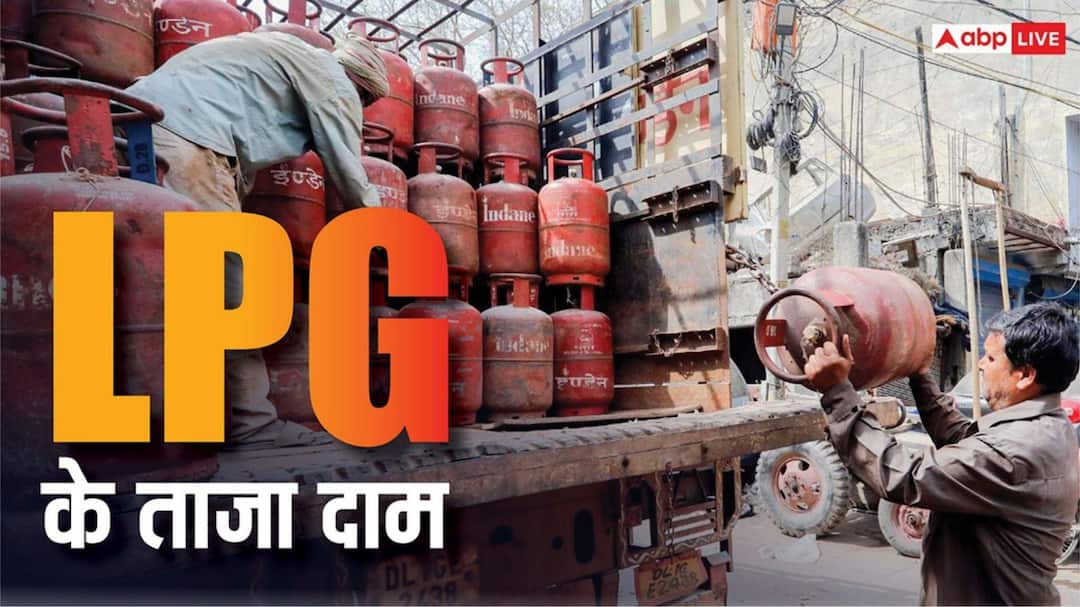
- Today government oil companies kept LPG rates stable.
- Commercial cylinder became cheaper by ₹ 183.50 on July 1.
- Domestic cylinders are stable at ₹29 on June 7.
- Crude oil increased by $71/barrel due to US-Iran tension.
LPG Rate Today on July 15: Today, government oil companies (IOCL, BPCL, HPCL) have not made any change in the prices of LPG across the country. Despite the blockade of the Strait of Hormuz and rising tensions in West Asia, the prices of commercial and domestic gas cylinders have been kept stable even today. Earlier on July 1, the price of 19 kg commercial cylinder was reduced by Rs 183.50, while the price of 14.2 kg domestic LPG was increased by Rs 29 on June 7. Since then the prices have remained stable.
Today city wise LPG prices
| City | domestic cylinder price | commercial cylinder price |
| Delhi | Rs 942.0 | Rs 2930.0 |
| Mumbai | Rs 941.5 | Rs 2885.5 |
| Kolkata | Rs 968.0 | Rs 3082.0 |
| Chennai | Rs 957.5 | Rs 3106.0 |
| Chandigarh | Rs 951.5 | Rs 2954.5 |
| Dehradun | Rs 961.0 | Rs 2983.5 |
| Hyderabad | Rs 934.0 | Rs 2052.5 |
| Bhubaneswar | Rs 968.0 | Rs 3115.0 |
| Thiruvananthapuram | Rs 951.0 | Rs 2970.5 |
Tension again between America and Iran
The ceasefire that has been going on for the last three weeks in West Asia has completely broken. On one hand, the US Central Command is targeting the coastal cities, radar systems, missile bases and air defense systems of southern Iran. More than 20 warships and hundreds of fighter planes of the US Army have completely surrounded the sea routes of Iran. Due to this, the movement of ships from Iranian ports has come to a halt.
At the same time, Iran has also retaliated by firing missiles at American military bases in Gulf countries like Bahrain, Kuwait, Jordan and Oman. This fierce military confrontation has affected crude oil, which is now slowly moving towards its highest level again from its previous low of $ 71 per barrel.
This may impact the prices of petrol, diesel and LPG in India in the future because most of India’s energy shipments go through Hormuz. In such a situation, the pressure of expensive crude is already there, on top of that, if the supply chain from Hormuz is broken, ships and tankers will have to travel a long distance to the Cape of Good Hope, which will take more time, which means the cost of freight will increase, and due to increase in marine insurance premium, fuel prices in the country will also increase.
Also read:
Trump on Hormuz: If America captures Hormuz, what will be the impact on India, will Trump extort our billions of dollars?