
 By Admin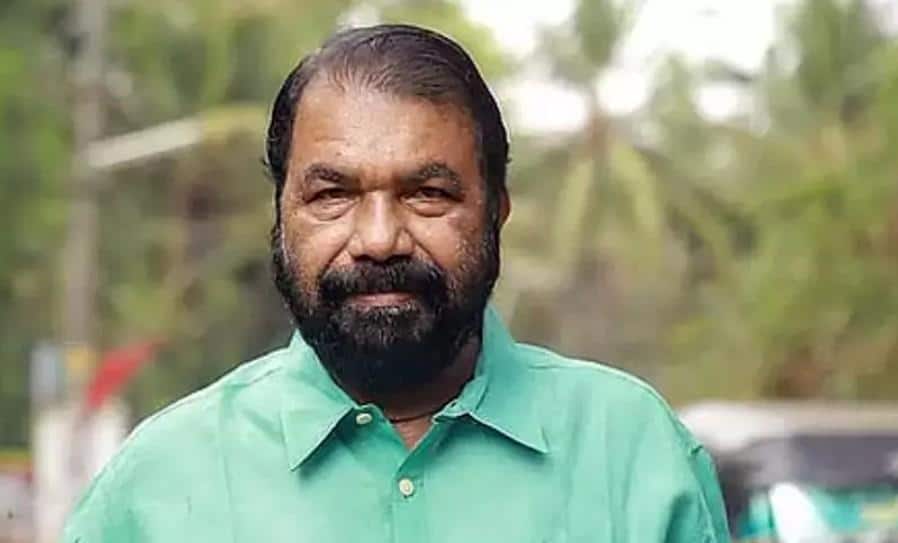
Kerala election 2026: Just before the Kerala Assembly elections, a new controversy is raising the temperature of politics. The debate that started over support for SDPI has now turned into a direct conflict between LDF and Congress. The issue is not just about support, but about allegations of “secular politics” versus “secret deals”, and this is what is making this election more interesting.
What is the whole controversy?
The controversy started when SDPI hinted at supporting ruling LDF candidates on some seats, especially high-profile seats like Nemom. After this, Congress alleged that there is an “inside deal” between CPI(M) and SDPI. However, the Left camp rejected these allegations outright, but repeated one line again and again – no matter who’s vote it is, it cannot be rejected.
‘We cannot refuse anyone’s vote’
LDF candidate and senior CPI(M) leader V Shivankutty clearly said, “The Constitution gives every person the right to vote. As a candidate, I can only ask for votes, I cannot say that I will not take votes of any particular group. Does this happen anywhere?”
He further added, “To say that we do not want votes of any class is unconstitutional.” That means CPI(M)’s stand is clear. No formal alliance, but no refusal to vote either.
Former Finance Minister TM Thomas Isaac also reiterated the same line and said, “We will not negotiate or compromise with anyone but we will not refuse anyone who votes.”
Congress’s counterattack – ‘Where is the secular stand?’
At the same time, the Congress leadership is presenting this entire issue as “principle versus politics”. Opposition leader VD Satheesan raised the question that if LDF is truly secular, will it show the courage to openly reject SDPI’s support? He alleged that on one hand the LDF blames the UDF, but on the other hand it also has “quiet talks” with the SDPI.
SDPI’s statement – ‘We will support through strategy’
Amidst this entire controversy, SDPI has also made its stand clear. Party national president MK Faizi said, “Where we are not contesting elections, we will support one front—LDF or UDF.” He also admitted that BJP is strong in Nemom, hence support has been given to LDF there. However, he also added, “This does not mean that we will support LDF everywhere.”
BJP’s entry, allegations more harsh
BJP has also jumped into this controversy. BJP state president Rajeev Chandrashekhar accused Left leaders of adopting a “double standard” and called it political hypocrisy. Rajeev Chandrashekhar said, “MA Baby should show his mind. When Pahalgam incident happened, MA Baby blamed the Indian government instead of condemning Pakistani terrorists. The real issue is how the current ministers of the Communist Party are accepting SDPI votes, as Shivankutty ji did. Today the Chief Minister is saying that we do not accept SDPI votes. This shows double standards and hypocrisy. There is a saying – the difference between the Chinese Communist Party and the Communist Party of India. This is that the Chinese Communist Party is nationalist, while the Indian Communist Party is anti-national. MA Baby and Sivankutty have proved this.
Why is this controversy important?
Kerala politics has traditionally been between LDF vs UDF, but BJP is also presenting a strong challenge on some seats this time. In such a situation, the support of organizations like SDPI can affect the electoral mathematics, especially in close contests. This issue may gain further prominence before the voting on April 9.
What is SDPI?
The Social Democratic Party of India (SDPI) is a political party, generally considered to be the political wing of the Popular Front of India (PFI). PFI was banned by the Central Government in 2022, after which the activities of SDPI came into more discussion. SDPI describes itself as the voice of social justice, rights of minorities, Dalits and backward classes. The party is active in many states, especially Kerala and Karnataka, and also fields candidates in elections. However, controversies and allegations and counter-allegations have often arisen regarding its political stance and alleged relationships.