
 By Admin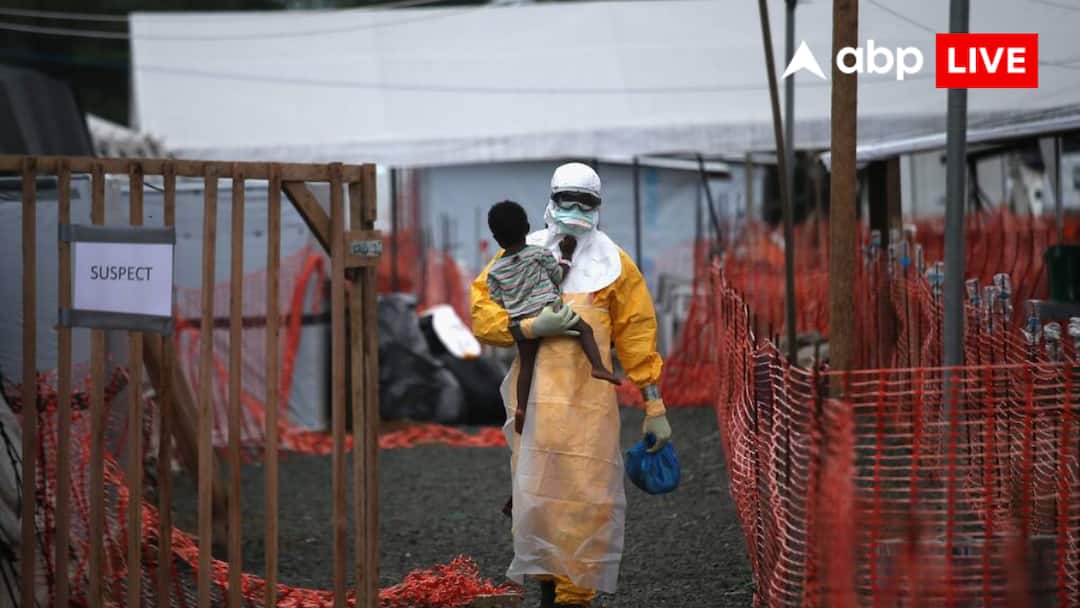
In the Democratic Republic of Congo (DRC), new cases are being reported along with increased surveillance to combat Ebola. World Health Organization (WHO) Director General Tedros Adhanom Ghebreyesus said that more than 900 suspected cases have been reported so far. Of these, 101 cases are confirmed. This disease is spreading most in Ituri province of DRC. Tedros said that about 5 million people live in this area and there has been a conflict going on here for a long time. Of these, one in four people is in need of humanitarian assistance and one in five has left their home and been displaced.
Ebola alert raised in DRC-Uganda
Tedros said in a post on the social media platform ‘X’ that people are continuously fleeing due to violence, including health workers and people helping. Due to this, there is a lot of difficulty in identifying Ebola patients and doing contact tracing. If the disease is not caught on time, treatment also becomes difficult. He also said that due to fear and insecurity, trust among people is decreasing, due to which the work has become more difficult. The WHO chief said WHO and humanitarian health partners were still present in many areas of Ituri, including some very remote and unsafe places. People there are struggling not only with Ebola but also with many other diseases. Tedros said that it is very important to provide full health services there, so that the immediate needs of the people are met and at the same time trust is also built, which is very important to fight Ebola.
On May 16, 2026, Tedros said that this outbreak of Ebola virus in DRC and Uganda has been declared internationally as ‘Public Health Emergency of International Concern’ (PHEIC). On May 22, WHO increased its risk level to very high at the national level, ‘high’ at the regional level and ‘low’ at the global level. According to WHO, Ebola is a serious disease that can often be fatal and it affects humans and some animals (such as monkeys). This virus usually spreads to humans from wild animals (bats, porcupines and some monkeys). After this, it can also spread from person to person through contact with an infected person’s blood, sweat, body fluids or things that come in contact with him (such as clothes, bedding).
Also read- WHO’s alert, dangerous Ebola virus spread in Africa, know how serious is the new epidemic
Also read- Africa Ebola outbreak: India’s entry amid increasing Ebola cases in Africa, Serum Institute busy in making Bundibugyo vaccine