
 By Admin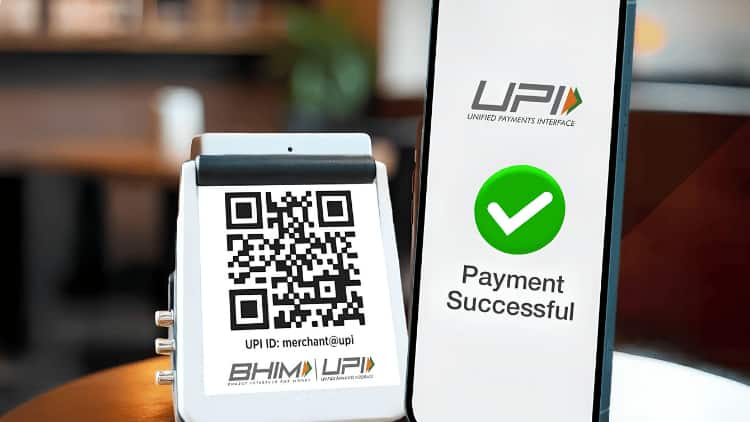
“Brother, please make some tea.”
I don’t have Rs 20 left, should I do UPI?
Yes, scan the QR code.
Till a few years ago, this conversation was not common among the tea shops, vegetable markets and street vendors of India, but today every small and big shopkeeper of the country also has a QR code hanging or seen stuck on the wall.
In our country, the problem of change was a part of everyday life and today everything from tea worth Rs 10 to vegetables worth Rs 20 are being purchased through UPI.
According to the National Payments Corporation of India (NPCI), more than 24 thousand 161 crore transactions took place through UPI in the financial year 2025-26, the total value of which was Rs 314 lakh crore. About 85% of the total digital payments in India now happen through UPI.
At the time of launch of UPI in April 2016, only 21 banks in the country were connected to it and only 373 transactions were done in the first month. Today more than 700 banks are part of UPI.
The biggest change happened for small businessmen
- UPI has had the biggest impact on the lives of those merchants who were earlier completely dependent on cash transactions.
- For markets, tea shops outside railway stations, vegetable sellers, fruit sellers and street vendors, QR codes have now become as important as their scales or stoves.
UPI has removed many problems of traders
- If there is no change, take it later or else customers would move on without purchasing.
- UPI almost eliminated this problem.
- The risk of holding cash is reduced.
- A big advantage of UPI for small shopkeepers is that now they have less need to carry the day’s earnings in cash.
- The risk of cash being lost, stolen or miscalculated is reduced. Many shopkeepers now receive payment directly into their bank accounts and buy goods in the wholesale market with the same money.
Digital records increased identity.
- A digital record of UPI transactions is created. With this, small businessmen have started getting documentary proof of their income and business.
- Many models related to financial technology and digital commerce are now opening the way for small businessmen to provide loans and other financial services based on these digital transactions.
Villages and small towns are also not behind
- According to PayNearby’s MSME Digital Index Report, 73% of micro, small and medium enterprises in rural and semi-urban India have reported growth in business after adopting digital technologies, with UPI emerging as the most preferred payment medium.
- This means that digital payments are no longer limited to just metro cities.
- UPI became the biggest medium for payment of small amounts.
- Data from RBI and NPCI show that UPI has become the largest medium in terms of number of payments in India. Its biggest strength is that it is being used for small daily expenses like tea, breakfast, vegetables, milk, medicine and auto rent.
But challenges still exist
- However, the picture is not completely one-sided.
- Many elderly customers still prefer cash payment.
- Internet and network problems become a hindrance in small towns and rural areas.
- Some small traders have still not gone fully digital due to tax concerns or lack of technical understanding.
UPI is the biggest picture of India’s economic transformation!
- The success of UPI is not just a story of technology.
- This is the story of the tea seller who stopped worrying about change.
- This is the story of a vegetable seller whose customers no longer move forward saying ‘there is no money’.
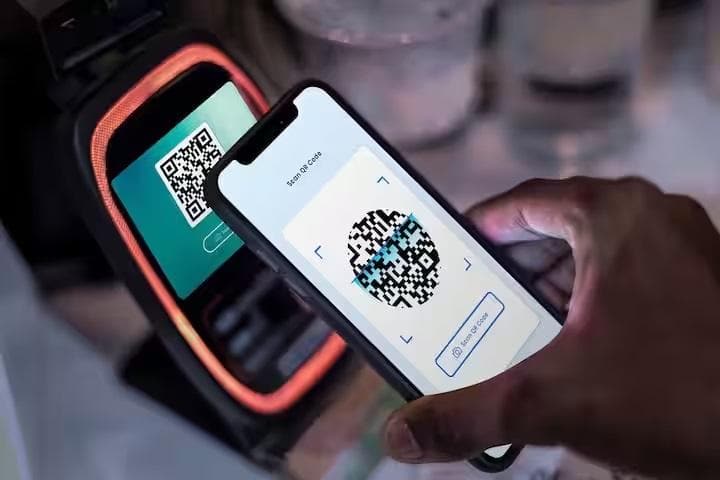
- This is the story of a street vendor, whose small QR code on his shop connects him to the digital economy of India.
Perhaps this is the reason why if we want to understand India’s digital revolution, we should look at the QR code hanging at a tea shop, not in the boardroom of a big corporate company.