
 By Admin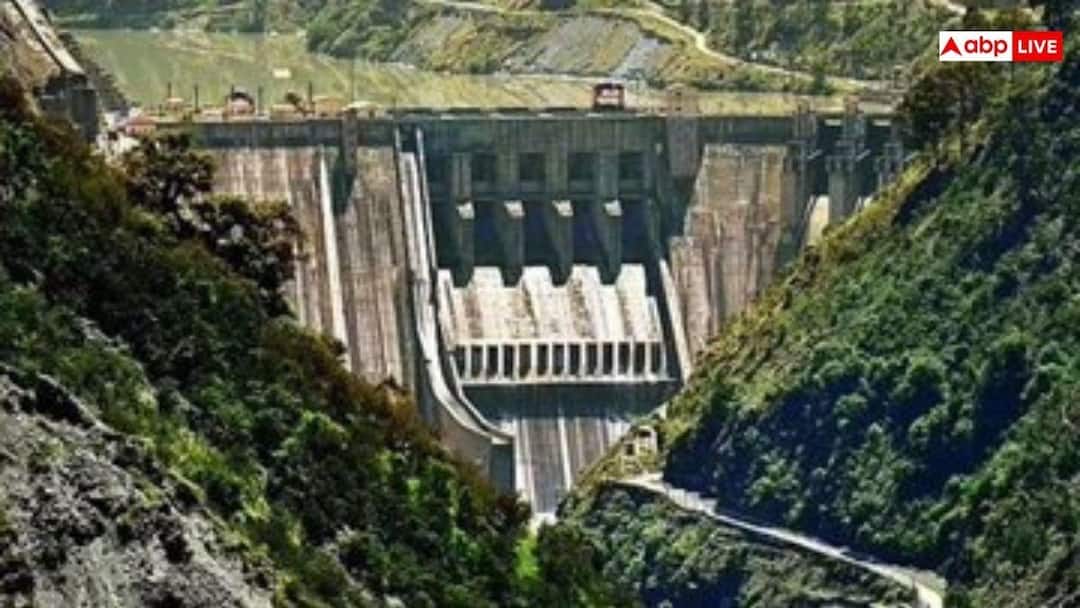
- Plan to divert excess water of Chenab into Beas.
- The 8.7 km long tunnel cost ₹2,352 crore.
- Construction from 1 August 2026, completion by 31 July 2029.
- Increase in irrigation, drinking water and 4000 MW power generation.
Chenab-Beas Link Project: The central government has launched a plan to divert excess water from the Chenab River to the Beas River Basin through a major tunnel project in Himachal Pradesh. Known as the Chenab Beas Link Tunnel Project, the project aims to improve India’s water use and strengthen water availability in several northern states. Under the plan, an 8.7 km long tunnel will be built in Lahaul and Spiti district to divert the excess water of Chenab towards Beas river. The Center has set a deadline of July 31, 2029 to complete the project. In the meantime, let us know how much this project will cost and how much it will increase India’s water supply.
project cost
According to reports, the cost of the Chenab Beas Link Tunnel project is approximately ₹2,352 crore. If silt management work on Salal Dam in Jammu and Kashmir along with related infrastructure projects are included, the cost of the entire project may increase to around ₹2600 crore.
When will the construction work start?
According to the report, the construction work of the project is expected to start from August 1, 2026. The responsibility of implementing the project has been given to NHPC Limited. It will oversee the tunnel construction and related infrastructure.
Also read: How many years did the world’s longest war last, what was the result of that war?
How will the water be diverted?
As part of the project, a 19 meter high barrage will be built on the Chandra river, a tributary of Chenab, near Koksar village in Himachal Pradesh. From there the excess water will be sent to the Beas basin through an underground tunnel.
It is being said that the project can significantly improve the availability of water in states like Punjab, Haryana, Rajasthan and Delhi. The additional water will help irrigation systems and is expected to improve drinking water supply. Along with this, this project is also expected to boost hydropower production. According to the report, the diverted water can help generate about 4000 MW of additional power for Himachal Pradesh and the northern grid.
This project holds great strategic importance as India had reportedly postponed the Indus Water Treaty after the 2025 Pahalgam terror attack. It is being said that now after this project, the flow of water towards Pakistan may reduce and India’s long-term water strategy may become stronger.
Also read: Only 13% people have a car in this place, know how much is the price of petrol and diesel here?