
 By Admin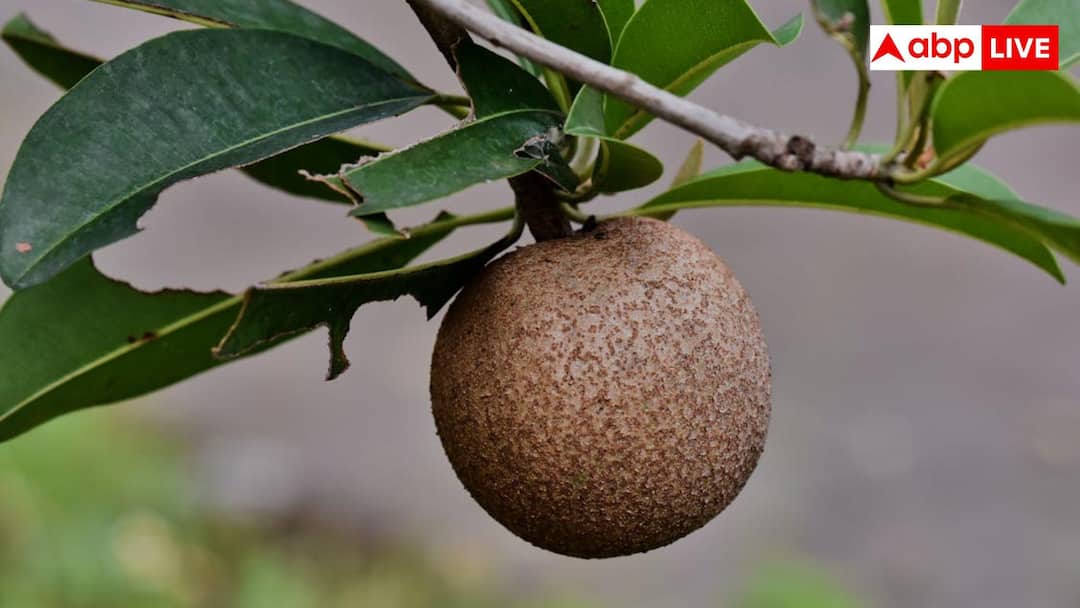
Chikoo Farming: Farmers of the country are now adopting different types of farming. Due to low cost and long term income, among these different crops, Sapota cultivation is also gaining its place among the farmers. The special thing is that once planted, the sapota plant continues to bear fruits for many years, due to which the farmers earn continuously. It is being cultivated on a large scale in states like Maharashtra, Gujarat, Tamil Nadu, Karnataka, Madhya Pradesh and Uttar Pradesh, so let us tell you today how you can cultivate sapota in your field, which will earn lakhs of rupees every year.
What kind of soil and climate is it?
Sapota can be cultivated in the fertile soil of almost every house, but sandy loam soil with good drainage is considered best for it. The pH value of the field should be between 5.8 to 8. Warm and clean climate is suitable for its plants, its cultivation in very cold areas can be harmful. Sapota plants can tolerate temperatures ranging from 10 degrees to 40 degrees Celsius. At the same time, the season with humidity up to 70 percent is considered suitable for its growth.
How to prepare the field?
Before starting sapota cultivation, it is important to prepare the field properly. First of all, old crop residues are removed from the field. After this, deep plowing is done two to three times, rotavator is run to level the soil and then the field is leveled, so that there is no problem of waterlogging. To plant a sapling, a pit about 1 meter wide and 2 feet deep is prepared in the field. A distance of 5 to 6 meters is kept between one line and another. The pits are filled by mixing cow dung and necessary fertilizers with soil.
Also read- Dragon fruit plants will not dry up even in the scorching sun, note 3 easy ways to protect from heat.
Irrigation and Management
Many improved varieties of sapota are cultivated in India. In this, varieties like Kali Patti, Perennial, PKM 2 and Calcutta Round are quite popular. Whereas the sapota plant does not require much water. Irrigation once a week in summer and at an interval of 5 to 15 days in winter is considered sufficient. During the rainy season, water should be given only as per requirement. Apart from this, use of organic fertilizer is considered very beneficial for good growth of the plant.
When is the fruit ready?
The fruits start ripening about 6 to 7 months after the sapota plant flowers. When the fruits change from green to brown, they can be harvested. Sapota tree gives production throughout the year, but the main crop is ready during November-December.
Also read- Forget the farm house, now litchi will smell in your balcony, know from the expert the best way to plant the plant.