
 By Admin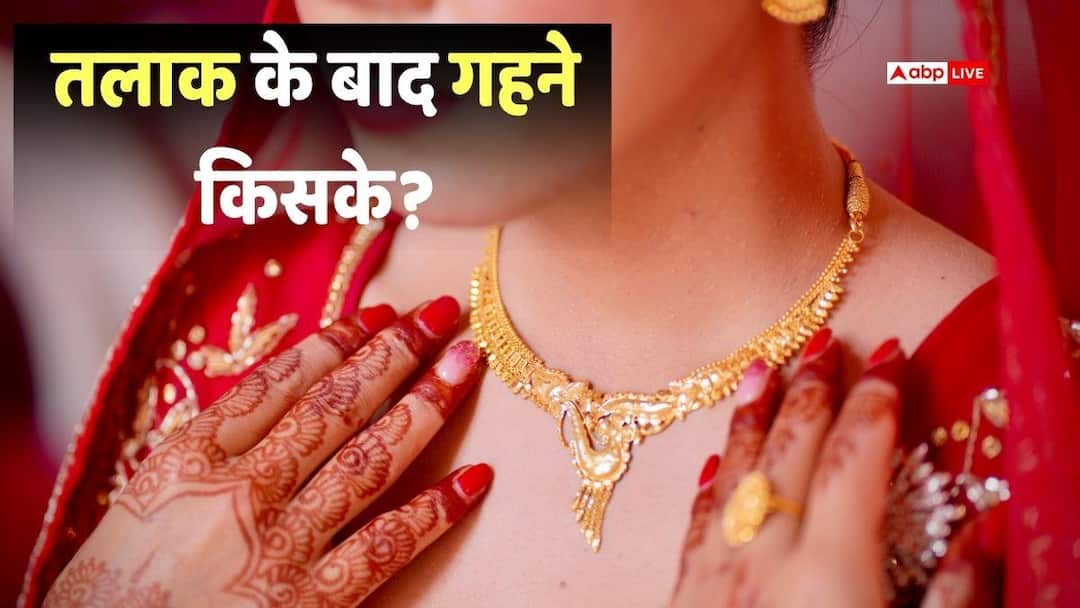
Divorce Strict Rules: Marriage relationship is a very sacred relationship. Two unknown people get tied into this bond. However, many times this relationship reaches such a point when the husband and wife are unable to live with each other and the matter reaches the point of divorce. The word divorce itself is very emotional, this process is also not so easy. There is a cycle of allegations and counter-allegations, one has to face a lot of hassle in court dates and transaction matters. Regarding all this, questions often arise that who will keep the jewelery or gifts received at the wedding? In one word it is called stridhan.
What is ‘Stridhan’
This is not just a question but an issue which is raised very well in the court. ‘Stridhan’, as the name suggests, refers to the jewelery and gifts given to the bride at her wedding. These jewelery and gifts are considered a woman’s personal property. But many times in such cases the in-laws forcibly keep the jewelery with them, this is not criminally right.
What is included in ‘Stridhan’?
Jewelery received by a bride as a gift from her parents, friends, siblings at her wedding is part of Stridhan. It not only includes jewellery, but also all the gifts received by the bride. Apart from this, whatever jewelery or gifts the husband or in-laws give at a wedding or during other rituals, all belongs to the woman. The jewelery that a woman buys from her earnings or savings after marriage is also a part of ‘Stridhan’.
Who will have ‘Stridhan’?
According to the Hindu Succession actor, ‘Stridhan’ is completely owned by the bride’s side. Rather, only the wife (girl) has the right, not the bride’s side. The husband can only act as its guardian. However, the wife has no right over personal gifts received from her husband’s family or friends. If a husband and wife have bought a property together and both their names are on it, then it is divided on the basis of investment.
When in-laws forcefully keep the jewellery?
If the in-laws show reluctance in returning the jewelery after or during the divorce, then a case of ‘danger of trust’ is registered against them. Through this law a woman can demand back her stridhan. After divorce, when the marriage officially ends and the court gives its final document ‘Decree’, at the same time these jewelery are returned based on the list.