
 By Admin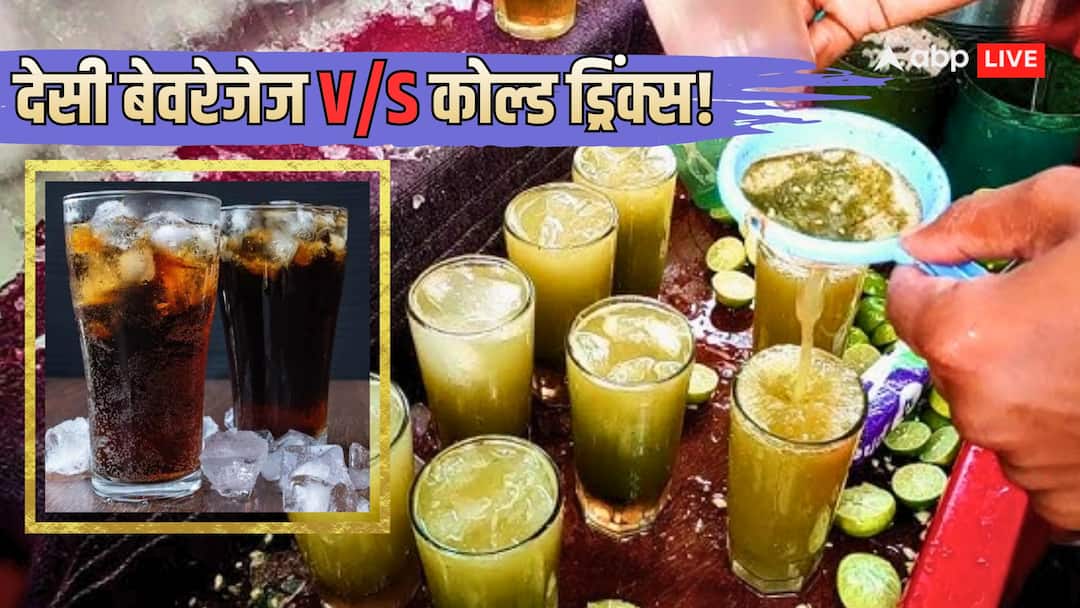
Indian summers have always been a big opportunity for cold drinks companies. Scorching sun, sweaty people and cold bottles in the fridge… this picture had not changed for decades, but the summer of 2026 changed this calculation completely. The country’s Rs 1.1 lakh crore soft drinks market is going through a big change these days. Along with bottles of cold drinks, buttermilk, lassi and probiotic drinks are also making their place in the refrigerators of grocery stores and on quick-commerce platforms. This change is not just for one season. This is the story of a profound change in the thinking of Indian consumers…
Heat broke records, market changed direction
This year, record breaking heat engulfed the entire country. On one hand people were looking for coolness, on the other hand their preferences had changed. In the post-Corona era, people are not only looking for taste but also health.
According to Jayateerth Chari, Managing Director of Mother Dairy, dairy products like lassi and buttermilk have registered a growth of more than 40% this season. Their growth is also being seen on quick-commerce platforms.
This growth is so fast that Heritage Foods CEO Srideep Kesavan says that the contribution of dairy beverages to the company’s revenue has doubled in the last three years. Meanwhile, Akshali Shah, Executive Director of Parag Milk Foods, said that the company’s annual growth in this segment has been 109%.
Instamart’s Summer Trends 2026 report also proves this change. According to the report, curd has emerged as the most ordered product this summer. The surprising thing is that out of the top-10 most ordered items, 6 items are made from curd.
Difficulties with cold drinks: tax burden and changing preferences
There are 5 big reasons why carbonated drinks are lagging behind:
- Big difference in tax: Carbonated drinks attract 40% tax (28% GST + 12% compensation cess), while dairy drinks attract only 5% GST. The difference of 35% gives companies an opportunity to sell the product at a price of Rs.10. According to industry experts, India is among those countries in the world where carbonated drinks are taxed the highest.
- Input Cost Pressure: Rising prices of PET resin and aluminum and freight disruption due to tensions in the Middle East are putting pressure on the profits of cold drinks companies. Varun Beverages (PepsiCo’s largest franchise bottler) recorded 18.3% revenue growth in January-March 2026, but input costs increased by about 18% during the same period.
- Disadvantages of Aluminum Can: The Iran war has affected the global supply of aluminum cans, resulting in a shortage of canned cold drinks. Sales of carbonated drinks declined by 19.4% year-on-year in April 2026.
- Health Awareness: After Corona, people have started paying more attention to food and drink. Lassi and buttermilk are considered probiotic and healthy options with less sugar.
- Changing attitude of youngsters: Nikhil Doda, co-founder of Lahori Jeera, says, ‘The Indian beverage market is very dynamic at the moment. The Indian market is witnessing strong growth in beverages as many consumers are preferring desi flavors over western colas.
Return of Desi Beverages: How the tables turned
There are 7 big reasons for the return of desi beverages:
- Modern Packaging and Traditional Taste: Drinks like Kokum, Jaljeera, Aam Panna and Buttermilk are now coming in hygienic packaging. Mother Dairy has launched new variants like Probiotic Buttermilk and Mint Buttermilk at an entry-price of Rs 10.
- Quick-Commerce Boost: According to Instamart, jeera masala soda recorded a monthly growth of 900% in March, while cold coffee saw a growth of nearly 700%. Regular drinks like buttermilk, lassi and coconut water also recorded high demand.
- Golden Time 6-9 PM: According to Instamart report, the peak of beverage consumption is between 6 to 9 pm. At the same time the demand for ice cream also doubles.
- Dominance of desi flavours: The market share of desi beverages has increased from 2% in 2024 to 6-7% in the financial year 2025-26. At the same time, India’s buttermilk market is growing at the rate of 16.13% in 2025, which is estimated to reach 18.93% by 2029.
- Big data of dairy sector: India’s packaged food and beverage industry is worth Rs 9.51 lakh crore, which is estimated to reach Rs 14.27 lakh crore by 2030. Dairy drinks market can reach Rs 4.23 lakh crore by 2031.
- Lassi Market Estimates: India’s lassi market was worth $65.5 billion (about Rs 6,550 crore) in 2025, which is estimated to reach $264.9 billion (about Rs 26,490 crore) by 2034.
- Effect on cold drinks: The carbonated soft drinks segment is not achieving its full potential. Tax under GST is a big hurdle. Even after the abolition of GST compensation cess, the government has proposed to increase the tax on aerated beverages from 28% to 35%.
Beverages have now become the biggest growth driver for large FMCG companies like Nestle, Hindustan Unilever, Tata Consumer and Dabur:
- Hindustan Unilever recorded strong double-digit growth in the coffee and Horlicks-Boost segments.
- Tata Consumer’s ready-to-drink portfolio grew by 23%.
- Dabur’s coconut water business doubled, while Real Juice witnessed 26% growth.
- 63% of PepsiCo’s volume sales in the March quarter were of low-sugar and zero-sugar products.
Is the rise of lassi-buttermilk just a summer trend?
There are three big reasons why this change will last for a long time:
- Tax difference will remain: As long as the difference between 40% tax on carbonated drinks and 5% tax on dairy drinks remains, the price advantage will continue to be enjoyed by domestic beverages. 71% of carbonated drink transactions are for Rs 20 or less. This difference is very important for users.
- Health trends will increase: After Corona, awareness about health has increased. Lassi and buttermilk are considered probiotic, low in sugar and rich in nutrients. There are no signs of this trend reversing.
- Changed focus of companies: Companies like Parag Milk Foods, Mother Dairy and Heritage Foods are focusing on protein, health and wellness products. Parag has launched Avatar Protein Cold Coffee with 15 grams of protein, which means innovation is also happening in this direction.