
 By Admin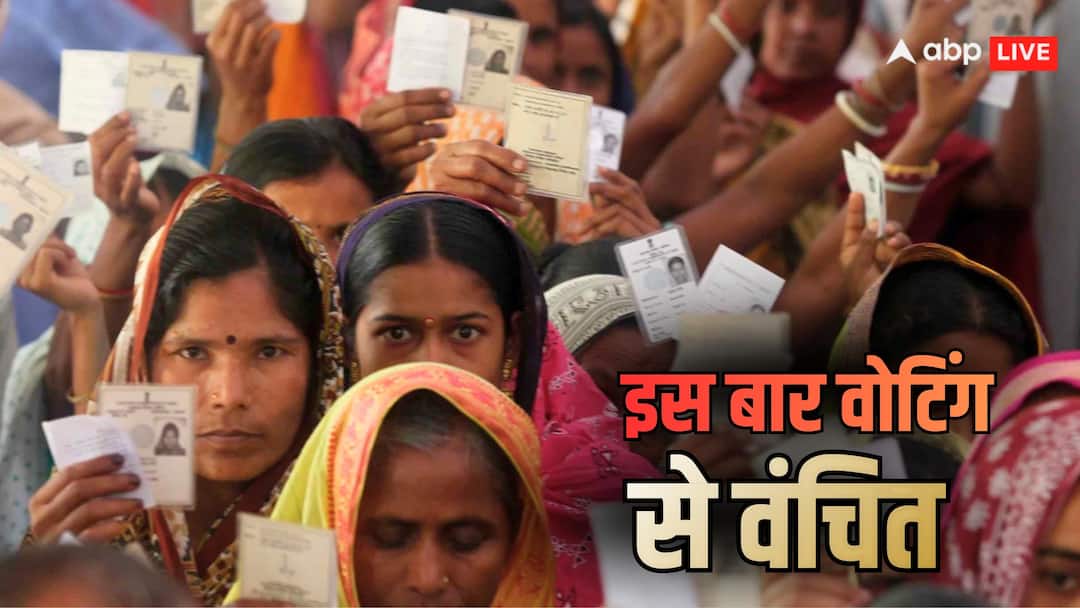
Special Intensive Revision or SIR is a special intensive revision of the voter list, the purpose of which was to ‘cleanse’ the voter list. But a different picture was seen in West Bengal. Many people who were alive were declared dead, some were removed from the voter list by calling them duplicates and some voters were found lacking in their documents. Overall, lakhs of people will be deprived of voting this time. The first phase of voting will be held in Bengal on 23 April. How many people will not be able to vote in this and for what reasons, you will know in the explainer…
Question 1: How many names were cut from SIR in West Bengal and what is the breakdown?
answer: According to the official data of the Election Commission, after the completion of the SIR process in West Bengal, a total of 90.66 lakh to 91 lakh names were removed from the voter list. Initially there were 7.66 crore voters, now around 6.75-6.77 crore are left, i.e. a decrease of 11.6-12%.
- In the first phase in December 2025, about 58.2 lakh names were removed.
- 5.46 lakh more were removed between the draft and final list in February 2026.
- After the judicial adjudication in April 2026, 27.16 lakh more names were removed. Of these, more than 60 lakh cases were investigated.
- Overall 91 lakh names were deleted. Many names were dead or duplicate, but about 27 lakh people were removed even after submitting their documents.
Question 2: What is the election schedule and what will be the impact of SIR in the first phase?
answer: West Bengal Assembly elections are being held in two phases on a total of 294 seats:
- First Step: 152 assembly seats on 23 April 2026.
- Second step: 142 seats on 29 April 2026.
- Counting of votes: 4 May 2026.
Voters whose names are deleted from SIR in the first phase will not be able to cast their vote, because the Election Commission had finalized and ‘frozen’ the voter list of the first phase seats on 9 April 2026. Meaning now no name can be added or removed. Around 27 lakh voters whose cases were still on appeal were awaiting hearing in the tribunal court, but the tribunals were not able to function fully. However, on April 21, the Election Commission added back 136 names out of the 27 lakh whose appeals were accepted.
As a result, those whose names are not there in the first phase will not be able to vote on April 23. A total of 91 lakh voters are affected across the state, hence thousands of voters in the 152 seats of the first phase will also be affected. The Election Commission has not yet released phase-wise separate figures, but it is clear from the total figures that the impact is huge.
Question 3: Is any particular community more affected?
answer: The basis for removing the name from SIR were small mistakes like spelling of Bengali name, age of parents being less than 16 years and having more than 5 brothers and sisters. ‘Logical Discrepancy’ checked with AI tool. More names were cut in Muslim dominated districts like Murshidabad, North 24 Parganas and Malda. According to the Election Commission, 4.6 lakh names were deleted in Murshidabad and 3.3 lakh in North 24 Parganas, but in the total figures, 63% were Hindu and 34% were Muslim.
There are many elderly voters who have been voting for years, now their names have been deleted. This includes people like 73-year-old Nabijan Mandal, Senarul Haq, who served in the army for 35 years, and Nobel laureate Amartya Sen. People were removed from villages even after submitting documents. Many people fear that they have been mistaken for ‘infiltrators’.
Question 4: What are political parties and experts saying?
answer: The debate between the pros and cons on this issue is intense:
- Trinamool Congress Party(TMC): West Bengal Chief Minister Mamata Banerjee called it a ‘constitutional crime’ and an ‘attack on democracy’. Meanwhile, Sagarika Ghosh said, ‘The right of one person, one vote was taken away.’
- BJP: No direct comment, but earlier Amit Shah had said that this is necessary for ‘country’s security’ and ‘pure voter list’.
- Former Chief Election Commissioner S.Y. Qureshi: ‘SIR is unnecessary and an administrative disaster. It took 30 years to achieve 99% accuracy, why the rush to improve it in 3 months?’
So experts described it as ‘killing minority citizenship’. Some said that more cuts in Muslim-dominated areas could affect the election results. The Supreme Court also monitored the process, but did not allow the voters who appealed to vote in the first phase.