
 By Admin
The United Arab Emirates (UAE) on Tuesday (April 28) has announced its separation from OPEC and OPEC+, the organization of countries producing and exporting crude oil. This decision has come at a time when the energy crisis is deepening across the world due to the ongoing war with Iran. This step of UAE, which has been a part of OPEC for a long time, can have a big impact on the unity of this group led by Saudi Arabia. Now the question is what effect will this have on OPEC, will it disintegrate and how will India benefit? You will know in the explainer…
Question 1: What is OPEC and what is its function?
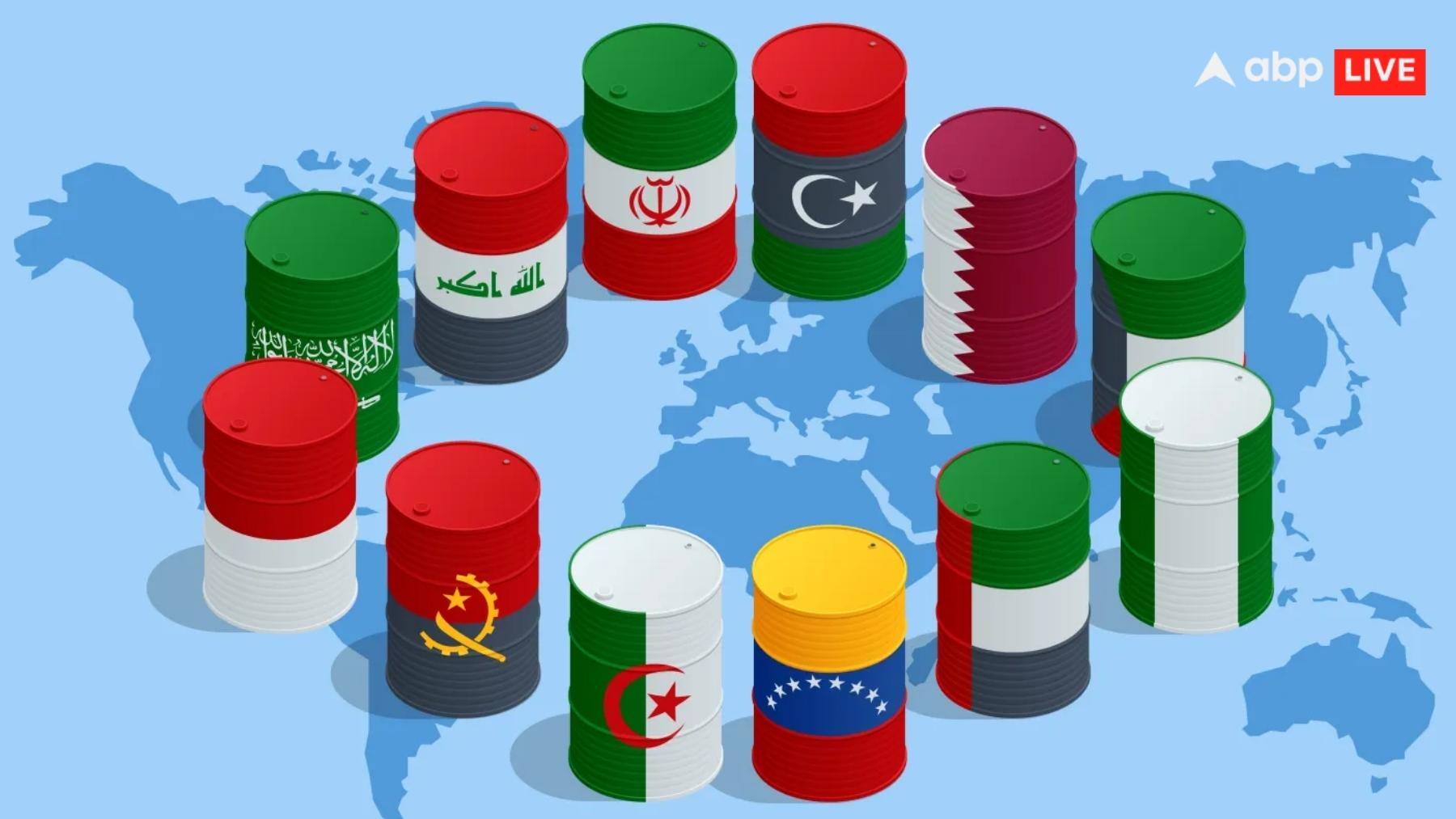
answer: The full name of OPEC is Organization of the Petroleum Exporting Countries. It was established on 14 September 1960 in Baghdad. Its initial five founding members were Iran, Iraq, Kuwait, Saudi Arabia and Venezuela. UAE joined OPEC in 1967.
The main objective of OPEC is to coordinate and integrate the petroleum policies of its member countries so that oil producers get better and stable prices, consumer countries get efficient and regular oil supplies and investors in the industry get fair returns.
Currently OPEC has 12 member countries, which include Algeria, Congo, Nigeria, Libya, Gabon and Equatorial Guinea apart from the 5 founding countries and UAE. This organization controls about 30% of the world’s total oil production. OPEC+ was formed from 2016, in which non-OPEC countries like Russia, Kazakhstan etc. also joined, due to which the total production reached about 40-41% of the world. OPEC is often called a cartel because it sets production quotas to control oil prices. When prices fall, production reduces and when needed, it increases.
Question 2: Why did UAE leave OPEC?
answer: On 28 April 2026, the United Arab Emirates (UAE) formally announced that it was leaving both OPEC and OPEC+ with effect from 1 May 2026. UAE said that this decision has been taken keeping in mind its ‘national interests’ and ‘long-term strategic and economic vision. The UAE now wants to focus on increasing its domestic energy production capacity and playing a more independent role in the global energy market.
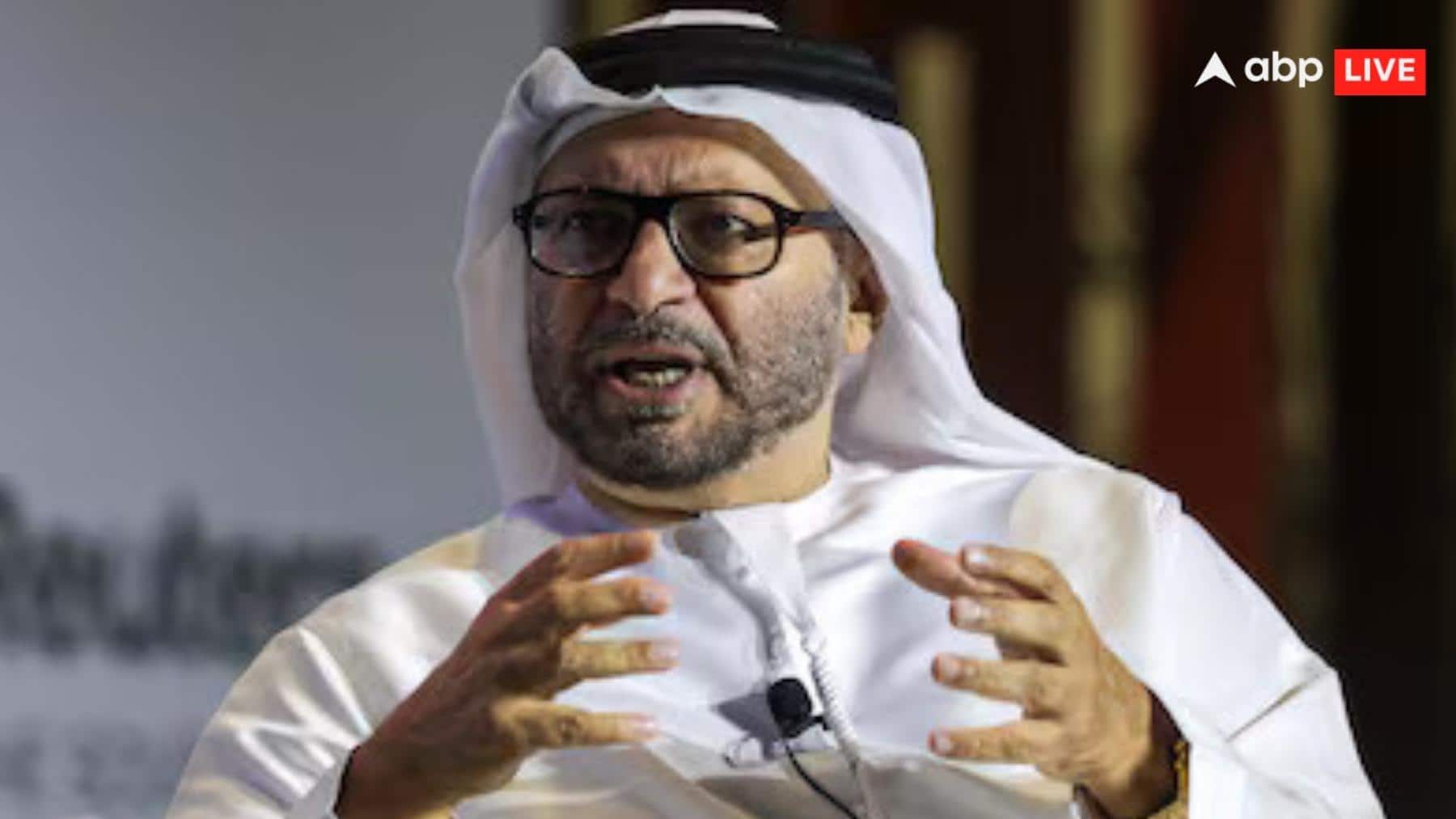
This decision has come amid the Iran war, in which the Strait of Hormuz (the route through which about 20% of the world’s oil and LNG passes) is affected. Diplomatic Advisor to the UAE President Anwar Mohammad Gargash said that the stance of Arab and Gulf countries (GCC) remained very weak during Iran’s attacks. He did talk about logistical help, but expressed disappointment at the lack of support at the political and military levels. This step is a big blow to Saudi Arabia led OPEC. UAE was an important and disciplined member of OPEC.
Question 3: Is OPEC disintegrating, if yes then how big is it?
answer: UAE’s departure is definitely a big blow for OPEC, but complete disintegration cannot be said yet. UAE was OPEC’s third or fourth largest producer. Due to this, OPEC’s production capacity may decrease by about 15%.
In the past years too, many members have come and gone, such as Indonesia, Qatar, Ecuador, Angola etc. left or suspended membership. But the departure of a strong and compliant member like UAE has a different meaning.
Experts say that this weakens the unity of OPEC and raises questions on the leadership ability of Saudi Arabia. If other Gulf countries like UAE also follow the same path, then the influence of OPEC may further reduce in future. Right now this is the departure of one member, but amidst the Iran war and geopolitical tensions, it is a worrying sign for the organization.
Question 4: Who will be harmed by this disintegration?
answer: This scarcity will cause 4 major losses:
- Loss of OPEC and especially Saudi Arabia: The power to set production quotas and control prices will be reduced. Saudi Arabia, which is the de-facto leader of OPEC, may have to bear more of the burden alone.
- Oil exporting countries: If OPEC weakens, oil prices may become more volatile, which will affect their income.
- Advantages and disadvantages of oil consumers around the world: UAE can now produce more oil, free from quotas, which is likely to increase supply and lower prices. Due to Iran war, currently Brent crude is above $111 per barrel. UAE’s exit may stabilize or bring down prices in the long run. Big importing countries like India (which import more than 80% of oil) may get relief.
- For the Trump Administration: Many reports are calling it a diplomatic victory for US President Donald Trump. Trump has long been accusing OPEC of looting the world by deliberately increasing oil prices. UAE’s departure weakens OPEC and could increase America’s influence in the energy market.
Question 5: Then what can happen next in this case?
answer: UAE’s departure will not have an immediate impact on oil supplies as the Strait of Hormuz is still affected, but in the long run it will challenge the unity of OPEC+. If prices fall, the budget deficit of Saudi Arabia and other members could increase.
Experts are saying that this step is a sign of UAE moving towards its own energy diversification and independent policy. Uncertainty has increased in the world oil market. On one side there is Iran war, on the other side there is weakening of organizations like OPEC.