
 By Admin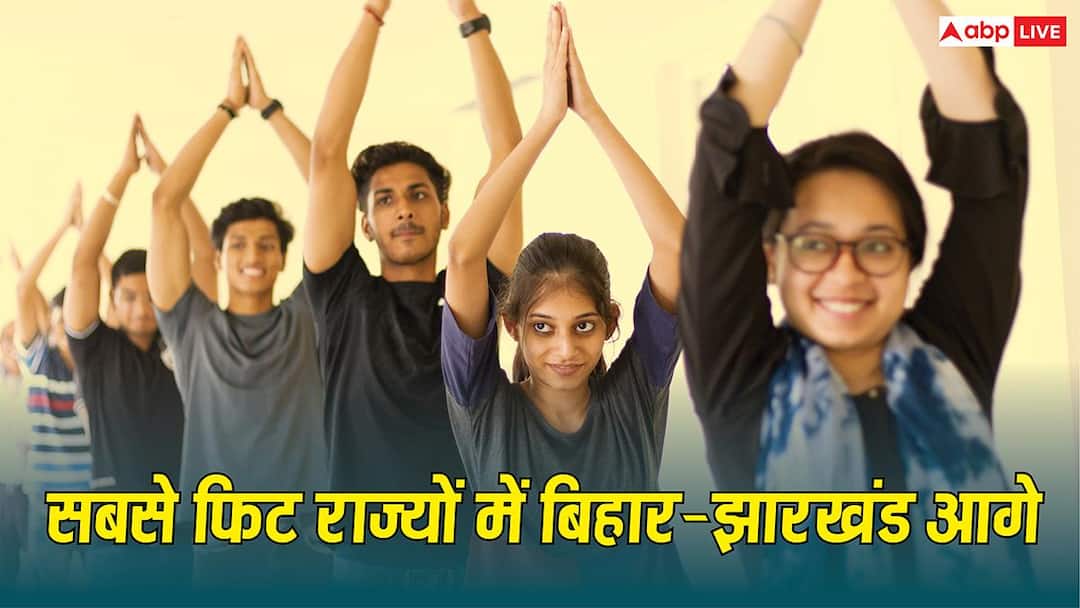
Fitness Status Report: Increasing obesity, diabetes, high blood pressure and other lifestyle diseases have made people more conscious about their health than before. This is the reason why people are now making gym, yoga, morning walk and healthy diet a part of their routine. However, despite increasing awareness about fitness across the country, some states have performed better in the matter of obesity. According to the new report of the National Family Health Survey (NFHS-6), the obesity rate in some states including Bihar and Jharkhand is much lower than the rest of the country. So let us know what has come out in the report and people from which other states are considered the most fit.
People of Bihar and Jharkhand are the most fit
According to the National Family Health Survey (NFHS-6) released by the Union Ministry of Health and Family Welfare (MoHFW), Bihar and Jharkhand are such states where less than 20 percent of the people are affected by the problem of obesity. According to the report, 16.8 percent men and 16.9 percent women in Jharkhand are in the obese category. In Bihar, 19.4 percent men and 19.8 percent women are affected by obesity.
Obesity is increasing in the country
The report shows that in the year 2024, 27.3 percent men and 30.7 percent women in the age group of 15 to 49 years are affected by obesity. Earlier in NFHS-5 (2021) this figure was 22.9 percent and 24 percent. In three years, the obesity rate in men has increased by about 4 percent and in women by about 6 percent. It is clear from this that obesity is continuously increasing in the country.
People from which other states are considered the most fit?
According to the National Family Health Survey (NFHS-6) released by the Union Ministry of Health and Family Welfare (MoHFW), Madhya Pradesh, Chhattisgarh and Meghalaya are also such states where less than 20 percent of adults are affected by the problem of obesity. In many states of South India, the obesity rate has reached 40 percent. According to the report, in Chhattisgarh 16.1 percent men and 20.3 percent women, in Madhya Pradesh 17.6 percent men and 22 percent women, while in Meghalaya 15.6 percent men and 13.8 percent women are obese. Apart from this, 21.8 percent men and 26.7 percent women in Uttar Pradesh are suffering from the problem of obesity. In Uttarakhand and many northeastern states, the obesity rate has been recorded between 28 to 35 percent, which is higher than the national average.
People are changing their lifestyle to stay fit
Today people of all ages are paying more attention than before to staying fit. People are regularly doing gym, yoga, morning walk, aerobics and other exercises. Along with this, habits like healthy diet and drinking enough water are also being adopted. The number of gyms has increased rapidly in the last few years. In such a situation, people’s interest in fitness is continuously increasing.
Also read – Fiber Rich Foods: How to increase fiber without eating salad? Keep your stomach clean by adding these 4 local things to your daily diet.
What was revealed in the NFHS-6 report?
According to the National Family Health Survey-6 (NFHS-6), there has not only been a change in the statistics related to obesity in the country, but there has also been improvement in the field of maternal health. According to the report, now 90.6 percent deliveries are taking place in health institutions, which earlier was 88.6 percent. At the same time, deliveries under the supervision of skilled health workers have increased from 89.4 percent to 91.3 percent. Apart from this, the percentage of women undergoing antenatal checkup (ANC) in the first trimester of pregnancy has increased from 70 percent to 76.2 percent. Additionally, there has been an increase in the number of women taking iron-folic acid supplements during pregnancy, indicating better access to maternal health services.
Health of children also improved
According to NFHS-6, improvement has been seen in many indicators of malnutrition in children under five years of age. Stunting among children reduced from 35.5 percent to 29.3 percent. At the same time, severe malnutrition decreased from 7.7 percent to 5.2 percent. Apart from this, full vaccination in children aged 12 to 23 months increased from 83.8 percent to 87.1 percent.
Also read – AIIMS Delhi created history! World’s rarest lung surgery for 4-month-old baby successful
Disclaimer: This information is based on research studies and expert opinion. Do not consider this as a substitute for medical advice. Before adopting any new activity or exercise, please consult your doctor or relevant specialist.
Check out below Health Tools-
Calculate Your Body Mass Index (BMI)
Calculate The Age Through Age Calculator