
 By Admin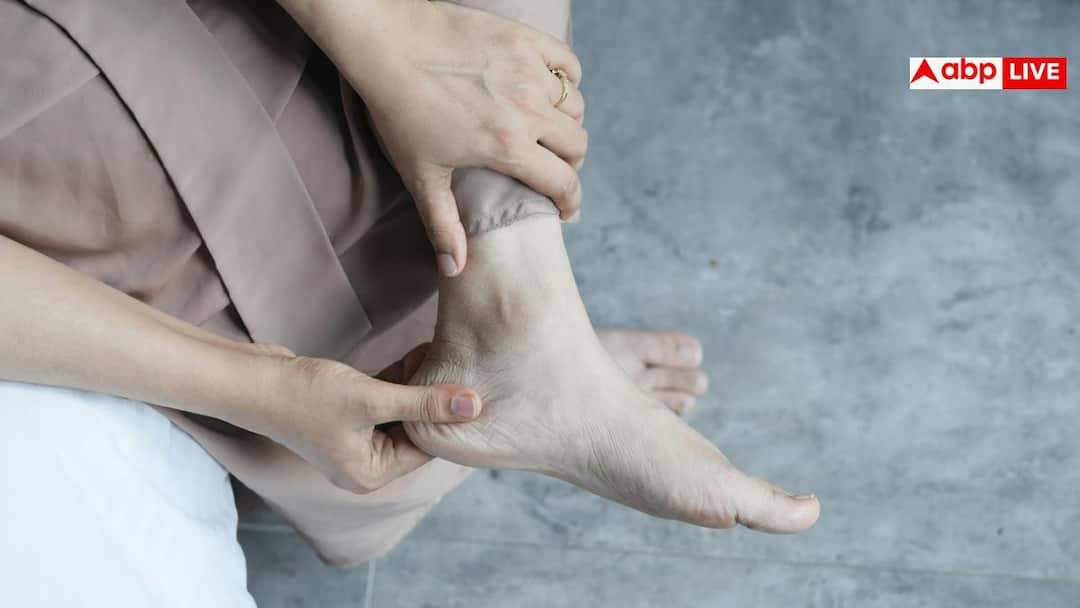
Early Signs Of Health Problems In Feet: You walk on your feet every day, but you often pay attention to them when the pain starts. The truth is that small changes seen in the feet can be signs of bigger problems going on inside the body. Each foot has 26 bones and more than 100 muscles, tendons and ligaments, which help us balance and walk. Therefore, the changes taking place here should not be taken lightly.
What do experts say?
Dr Anuj Chawla, senior director, foot and ankle surgery, Fortis Gurugram, told TOI that “feet support the entire body weight and make our everyday activities possible, yet they are the most neglected.”
What are the signs?
Feet often serve as initial signals for the body. Cold feet or numbness may indicate lack of proper blood flow or nerve problems. Cracked heels or excessive dryness of the skin may be related to dehydration or thyroid disorders. Swelling in the ankles can be a sign of pressure on the heart, kidneys or liver. At the same time, change in color or thickness of nails indicates fungal infection or some internal disease.
Indications for diabetic patients
These signs become more serious in diabetic patients. According to Dr. Chawla, due to damage to nerves in diabetes, reduced blood supply and changes in the structure of the foot, injuries remain undetected, due to which infections and wounds increase. If care is not taken in time, it can lead to gangrene and even amputation of the leg. A study published in the Indian Journal of Endocrinology and Metabolism also shows that diabetes related problems are increasing rapidly in India, in which foot problems are becoming a major reason for hospitalization.
Read this also-Explained: Death due to eating watermelon in Mumbai and Golgappa in Jharkhand! Which foods cause food poisoning, what to eat after all?
Lifestyle is also responsible
Nowadays, foot problems are not just related to age, but our lifestyle is also a major reason for it. Sitting for long periods of time reduces blood flow, wearing wrong shoes puts pressure on muscles and joints, increasing weight puts extra burden on the legs and physical activity weakens the legs. Problems like flat feet or high arches are also common, but most people are not aware of it.
What are the initial signs?
The onset is often small such as mild pain, swelling or a blister. But if ignored, this problem can take a serious form. Small wounds can turn into infections, joint stiffness can make it difficult to walk, and nerve problems can cause loss of sensitivity. Dr. Chawla says that timely identification and treatment is very important, so that the ability to walk remains for a long time. The good thing is that now the treatment methods have improved and with less invasive surgeries, pain and recovery time has reduced.
However, the most important thing is daily care. Check your feet daily, wear properly fitting shoes, maintain cleanliness, do light exercise and keep weight and sugar under control. Only small steps give freedom to walk for a long time.
Read this also-Heart Fights Cancer: The heart is beating, that is, it is fighting cancer, new study gives hope
Disclaimer: This information is based on research studies and expert opinion. Do not consider this as a substitute for medical advice. Before adopting any new activity or exercise, please consult your doctor or relevant specialist.
Check out below Health Tools-
Calculate Your Body Mass Index (BMI)
Calculate The Age Through Age Calculator