
 By Admin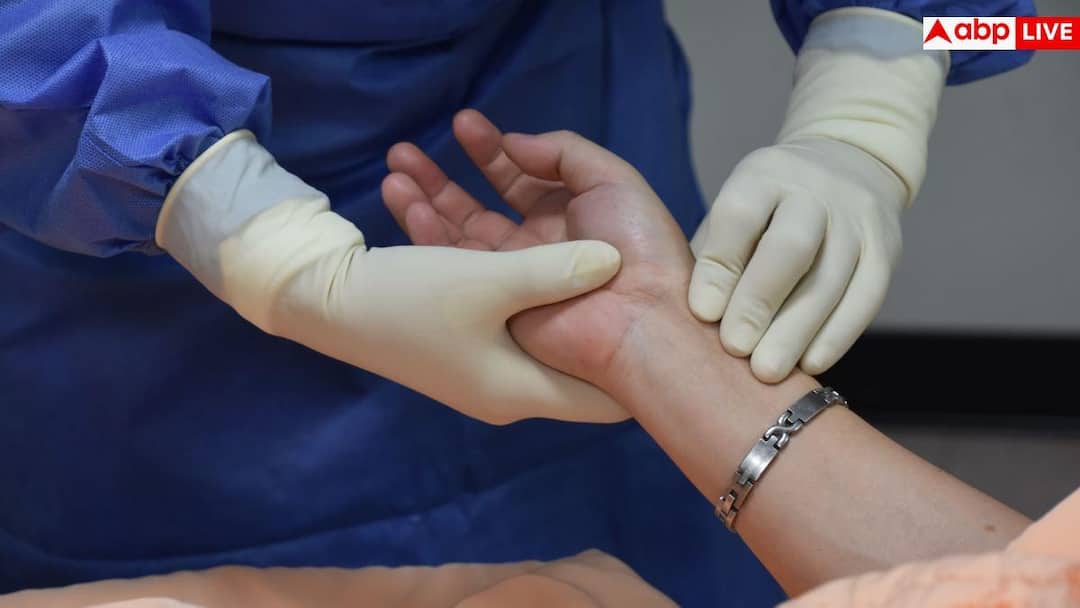
How To Check Your Pulse For Heart Problems: In today’s era, people have become more conscious about their health than ever before. Someone is counting steps with a smartwatch while someone is keeping an eye on blood pressure and sleep. But even today, most people ignore a very easy and old method related to heart health, that of checking their pulse. Let us tell you why this is important for you.
To know about heart by checking pulse
Experts say that by checking your pulse in just 10 seconds, early signs of a heart problem can be detected, which can exist in the body for a long time without any symptoms. This information is considered especially important during World Heart Rhythm Week, the objective of which is to make people aware of heart rhythm related diseases.
How does it work?
One of the most common heart rhythm problems is atrial fibrillation. In this condition, the upper chambers of the heart start beating irregularly and the normal rhythm of the heart gets disturbed. The problem is that many people do not experience any obvious symptoms. Some patients may feel a racing heartbeat, shortness of breath, dizziness or fatigue, but many people feel completely normal.
Read this also – Women’s Health: Millions of women are suffering from periods pain and PMOS, expert warns – this is not a normal thing
often present without any symptoms
According to the US National Heart, Lung and Blood Institute, atrial fibrillation can sometimes be present without any symptoms and is detected only during routine testing. If it is not treated on time, the risk of stroke and other heart related problems may increase. Dr Pradeep Jain told TOI that a simple pulse check can sometimes give early indications of an irregular heartbeat.
How can you find out in 10 seconds?
According to him, place your index and middle finger on the inner side of the wrist below the thumb and feel the heartbeat for about 10 seconds. If the heartbeat is felt regularly and at equal intervals then there is usually no cause for concern. But if the heartbeat sometimes feels fast, sometimes slow or irregular, then it may be necessary to consult a doctor. However, experts also clarify that atrial fibrillation or any other disease cannot be confirmed just by checking the pulse. This only acts as an early warning signal, so that medical examination can be done in time. According to Dr. Pradeep Jain, conditions like increasing age, high blood pressure, diabetes, obesity, heart disease and lack of physical activity can increase the risk of irregular heartbeat. In view of the rapidly increasing cases of these problems in India, people should pay attention to the rhythm of their heart.
Read this also- Does Indian thali really increase diabetes, know for whom dal-roti is not good?
Disclaimer: This information is based on research studies and expert opinion. Do not consider this as a substitute for medical advice. Before adopting any new activity or exercise, please consult your doctor or relevant specialist.
Check out below Health Tools-
Calculate Your Body Mass Index (BMI)
Calculate The Age Through Age Calculator