
 By Admin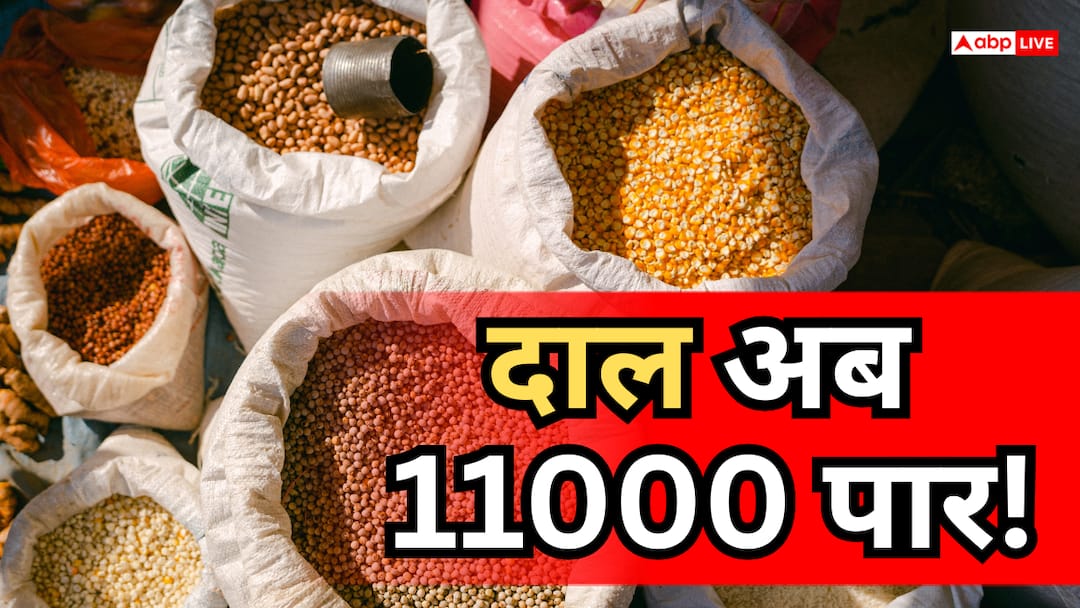
Pulse Price Hike: People across the country are troubled by inflation. For some people, they are not getting gas cylinders and for others, taking their scooter or car on the road is starting to seem like a dream. The prices of petrol, diesel, gold and silver are on fire. Apart from this, the prices of LPG, milk, bread have also increased and now the turn of pulses has come. The prices of pulses have jumped very high. There has been a lot of difference in the prices before and now. Although pulses are mostly not imported in our country, yet you can understand from here why the price of pulses is rising so fast. The price of different pulses is also mentioned here.
| names of pulses | Old price (per quintal) | New price (per quintal) |
| arhar dal | 9000 | 11800 |
| urad dal | 7500 | 9000 |
| Red Lentil | 5600 | 7500 |
| Moong Dal | 9500 | 11000 |
| Chickpea lentil | 7500 | 8500 |
What is the retail price?
- Arhar/Toor dal: ₹115 to ₹150 per kg
- Urad dal (washed/black): ₹110 to ₹140 per kg
- Moong dal (washed/peeled): ₹95 to ₹130 per kg
- Chana dal: ₹80 to ₹95 per kg
- Masoor dal: ₹85 to ₹110 per kg
Why are the prices of pulses increasing?
There are some special reasons behind the increase in the prices of pulses. For example, if we pay attention, the price of pulses increases due to reduction in domestic production, fluctuations in weather and hoarding. Apart from this, the cost of freight transportation due to increase in the cost of imports and rise in international fuel prices is also a major reason for this. Although pulses are not imported much, but due to increasing tension in the market, their prices have also been deeply affected.
Effect of petrol and diesel, now travel will be expensive, know how much the bus fare and freight rate will increase.