
 By Admin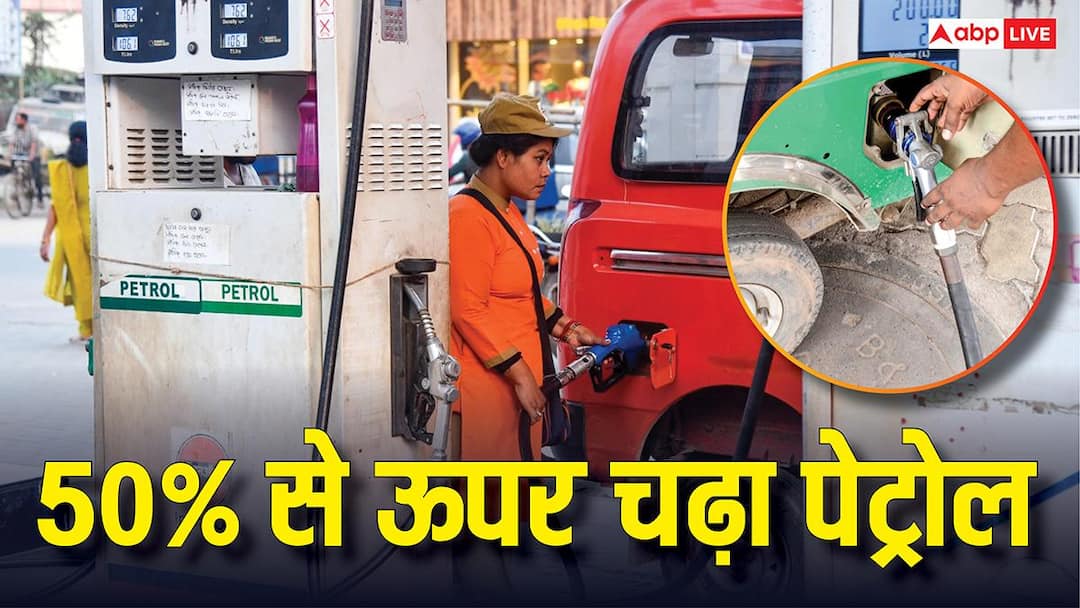
- Petrol became costlier by 50% due to Iran-America war.
- Average price $4.48-4.51 per gallon.
- Supply affected by the blockade of the Strait of Hormuz.
- Impact on the budget of low income families.
US Petrol Price: The effects of the war that started between America and Iran are being seen all over the world. Even America itself has not been able to escape its heat. According to the latest data of May 2026, the prices of petrol (gasoline) in America have increased by up to 50 percent.
According to the American Automobile Association (AAA), the average price of regular gasoline in America has reached between $ 4.48 to $ 4.51 per gallon. In just the last week, prices have increased by 31 cents per gallon. Before the start of the war in Iran from the end of February 2026, the prices were around $2.96, which has now increased by more than 53 percent.
Where is the most expensive?
- The average price in California has reached $6.17 per gallon.
- Prices in Washington and Hawaii have reached $5.76 and $5.66 per gallon respectively.
Where is the cheapest?
Prices are comparatively lower in states like Oklahoma, Kansas and Georgia. The prices here range between $3.70 to $3.89 per gallon.
Why are petrol prices skyrocketing in America?
After the war in Iran started on February 28, there has been turmoil in the global oil markets. Iran’s blockade of the Strait of Hormuz has affected 20 percent of the world’s oil supply. Due to this, the prices of crude oil in international markets reached between 100-112 dollars per barrel. Since approximately 51 percent of the price of petrol is determined by the cost of crude oil, prices are increasing at pump stations. Here, as prices are increasing, the budget of low-income families in America is being affected. According to a report, many families are spending about 10 percent of their income on fuel. The situation is that about 44 percent people in America have reduced their driving.
Also read:
There is a shortage of LPG in India due to Hormuz tension, there is an outcry due to stoppage of imports, 16% decline in supply.