
 By Admin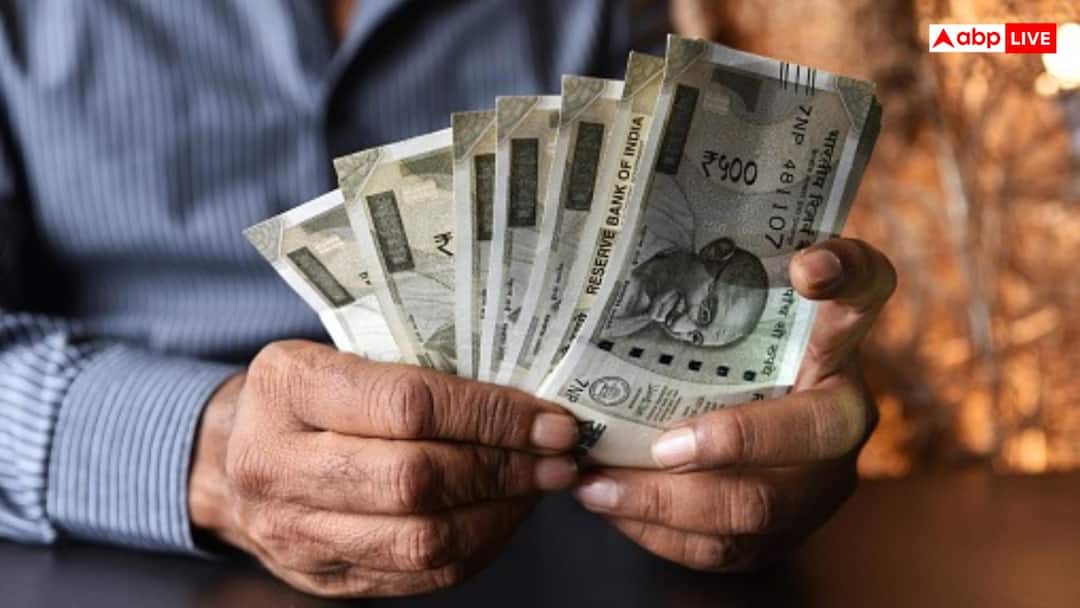
RBI Currency Changes: It has been almost ten years since the present form of the Indian rupee changed. After demonetization, once again a big change can be seen regarding bank notes. In view of the increasing demand for cash and the increasing cost of printing notes, the Reserve Bank of India i.e. RBI is considering introducing plastic i.e. polymer based banknotes.
According to sources, the issue of plastic or polymer notes has been discussed in the recent board meetings of RBI. It is believed that these notes are more durable than paper notes and do not deteriorate for a long time, which can reduce the cost of printing and replacement.
What are plastic or polymer banknotes?
Polymer banknotes are made of a special type of plastic. This type of note is called plastic money or plastic note. Biaxially Oriented Polypropylene (BOPP) synthetic plastic is mainly used in these. These notes are thin, flexible and strong, do not tear or get damaged easily as compared to normal paper notes.
Security features can also be added to these notes in a better way. Additionally, existing ATM machines will also be able to dispense polymer-based banknotes.
Gold-Silver Rate: Gold and silver again gained momentum, prices of both increased today; Check latest rate
Why is the emphasis on plastic notes increasing?
According to RBI data, more than Rs 6372.8 crore was spent on printing paper banknotes in the financial year 2024-25, whereas a year ago this expenditure was around Rs 5101.4 crore. In the report of the Reserve Bank in 2025, it was said that due to the increasing demand for cash, the cost of printing notes is continuously increasing.
Apart from this, most paper banknotes get spoiled quickly. In the year 2025, crores of bad paper notes had to be cancelled, most of which included notes of Rs 500 and Rs 100. In such a situation, long lasting polymer notes are considered a better option.
Polymer notes are already in use in many countries
The idea of introducing plastic or polymer notes in India is not for the first time. In 2012, the then UPA government had decided to introduce such notes on an experimental basis, but it could not be implemented due to technical reasons.
Today polymer banknotes are being used in more than 60 countries of the world. Australia first started them in 1988. After this, countries like Canada, Singapore, Indonesia, Thailand, Malaysia and Romania also adopted them. Now India is also considering taking steps in this direction.
CBI took big action in bank fraud case, first charge sheet filed against Anil Ambani’s company