
 By Admin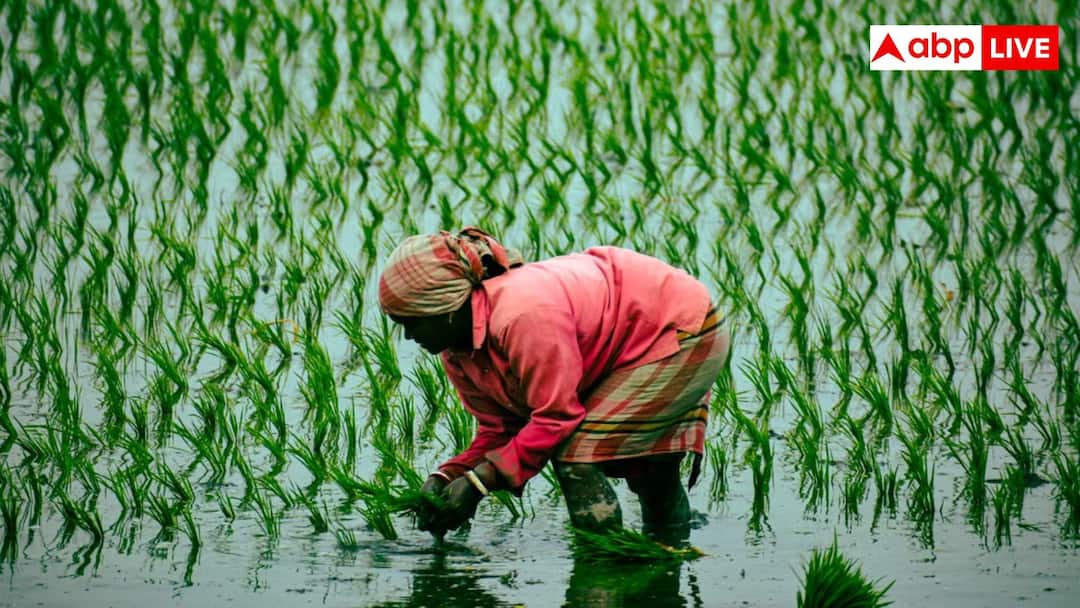
Rice Farming: Monsoon is starting across the country and with it, farmers start preparing for paddy cultivation in the fields. Good yield in paddy cultivation is not only achieved by choosing the right variety, but also by doing every step properly, from nursery preparation to transplantation, fertilizer management and initial care of the crop. According to agricultural experts, due to haste or lack of knowledge, farmers often make such mistakes in paddy cultivation, which directly impact the production.
From breakage of paddy roots to applying fertilizer at wrong time and wrong management of water in one’s fields, many small carelessness weakens the crop. In such a situation, let us tell you today which mistakes can be costly in paddy cultivation and what warnings do experts give for this.
Do not be hasty while taking out plants from the nursery.
According to agricultural experts, before uprooting the plants from the paddy nursery, adequate water should be given in the plant beds a day before. Due to this, the soil becomes soft and there is no extra pressure on the roots while taking out the sapling. If the seedlings are pulled along with dry soil, the risk of root breakage increases, due to which the seedlings are not able to set properly after transplanting in the main field. While removing the sapling, one should hold the lower part of its stem and pull it straight upwards, so that the roots remain safe and the soil gets separated easily. Experts say that the uprooted sapling should not be kept in the open for a long time and its transplantation should be completed within 24 hours, because if there is a longer delay, the chances of survival of the plant would reduce.
Preparation of the field before planting is also necessary
Good preparation of the main field is considered very important for successful paddy cultivation. After plowing the field two to three times, puddling should be done by filling it with water. This flattens the soil and increases its water holding capacity, due to which the newly planted sapling continues to get adequate moisture in the initial days. During transplantation, instead of planting plants close together, a certain distance should be followed. It is considered appropriate to keep the distance from line to line at about 20 cm and the distance from plant to plant at about 15 cm. After planting two to three healthy plants at one place, shoots emerge well and the crop grows better.
Also read-Avocado Farming Tips: ‘Butter Fruit’ is sold at Rs 300 per kg in India, know how to earn lakhs in one acre from its cultivation.
Take care of water and nutrition in the initial days
After transplantation, it is necessary to maintain about two to three inches of water in the field for the first week. This helps the new roots to hold the soil and also protects the plants from the effects of heat and strong sunlight. During this period, the correct amount of nitrogen, phosphorus and potash should be used on the basis of soil test. If there is zinc deficiency in the field then use of zinc sulphate is also considered beneficial. This improves the growth of the plants and keeps them safe from many problems.
Also read-Benefits Of Millets Superfood: ‘Superfoods’ are rapidly growing in the Indian market, this is how the crop will be prepared at low cost and very less water.