
 By Admin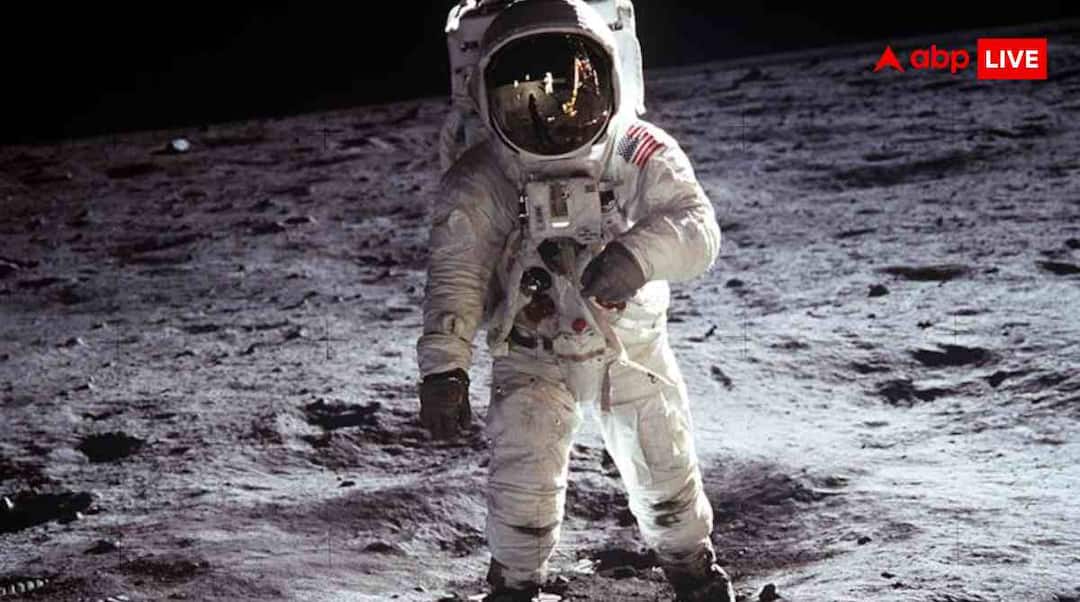
As soon as humans step out of the Earth into space, the situation changes completely. There is neither air, nor water, nor any natural system in space that can keep humans alive. There even a small technical fault can prove fatal. Therefore, Life Support System plays the most important role in every human space mission. Missions like NASA’s Artemis II, in which humans will be sent to the moon, prove that today’s space technology is not limited to flight only, but is focused on the safety of humans at every moment. So let us know how the Life Support System works in space missions and in what ways it saves the lives of astronauts.
What is Life Support System?
Life Support System is a group of machines and technologies that provide essential facilities to astronauts like breathable air, clean drinking water, correct temperature and humidity, garbage and waste management. This system tries to create an Earth-like environment in space, so that humans can remain safe.
How does Life Support System work in space missions?
In space missions, the job of the Life Support System is to provide the astronauts with the same safe environment as is found naturally on Earth. Because there is neither air, nor water, nor the conditions necessary for life in space, this system is the biggest shield to save the lives of astronauts.
In what ways does it save the lives of astronauts?
Meets seven human needs of the Life Support System. This includes providing water through water recycling, providing and storing food, supplying breathable air, producing oxygen and removing CO₂, controlling air pressure, maintaining cabin pressure similar to Earth (at 101 kiloscale). Air heating and cooling systems are required to control temperature, manage human waste, detect and extinguish fires, and protect astronauts from radiation and micrometeoroid exposure, especially during outdoor activities such as space walks.
How is air found in space?
On Earth, we take in oxygen and exhale carbon dioxide when we breathe. The same process happens inside the spacecraft also. But if carbon dioxide increases too much, headache, dizziness and even unconsciousness can occur. For the process of removing CO₂, special machines are installed in spacecraft, which are called carbon scrubbers. These machines filter out excess carbon dioxide from the air. Makes the air breathable again. The systems of both NASA and Russia together handle this work.
Also read: Will the Earth become a ball of ice as soon as the sun’s brightness ends? Know what changes will happen