
 By Admin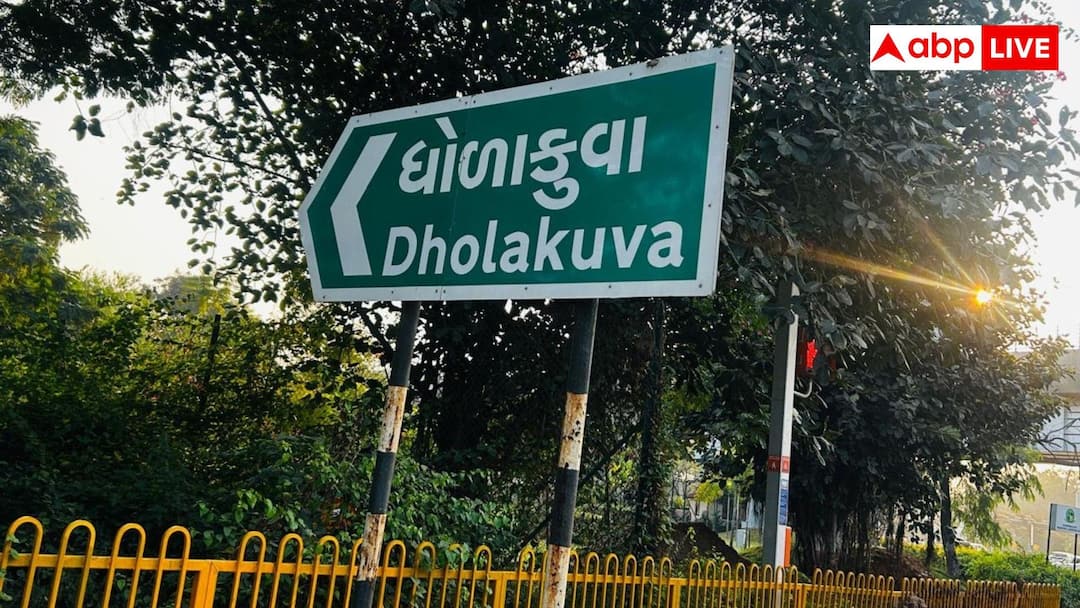
You all must be knowing about Dhaula Kuan located in Delhi. On one hand, Dhaula Kuan of Delhi is associated with its historical stories and on the other hand, it has also become the most important traffic junction of Delhi today. Generally, on hearing the name of Dhaula Kuan, the old well made of white stones comes to people’s mind, which is said to have given its name to the Dhaula Kuan area of Delhi. But do you know that there is a place named Dhaula Kuan in Gujarat also. Actually many people do not know, but there is a place named Dhaula Kuan in a district of Gujarat. In such a situation, let us tell you today in which city of Gujarat there is Dhaula Kuan and whether a white well was built there too.
Where is Dhaula Kuan in Gujarat?
In Gujarat, a village named Dholakuwa is located in the state capital Gandhinagar, this village comes in Mansa taluka and is about 21 kilometers away from the district headquarters. It is said that the post office of this village is in Mansa. This village is surrounded by nearby villages like Parbatpura, Itala, Sobhasan and Rampura. Let us tell you that Mansa, Gandhinagar, Kalol and Vijapur are the nearest cities to this village.
Is there any white well in Dholakuwa of Gujarat also?
Just as the Dhaula Kuan of Delhi is said to be connected to the White Well. Similarly, there is no information available about any historical white well from Dholakuva village of Gujarat. Actually, the name of Dhaula Kuan in Delhi is believed to be related to an old well, whereas there is no such clear information available regarding the name of this village in Gujarat. Apart from this, Dhaula Kuan of Delhi is considered to be connected with history and modern infrastructure. Dholakuwa of Gujarat has its own identity as a rural area. The names of both the places are definitely similar, but in this village of Gujarat, there is no information about a white well like Delhi.
What is the population of Dholakuwa, Gujarat?
According to 2011 census, the total population of Dholakuwa village is 4,042. 820 families live here, while there are 2,122 men and 1,920 women in the village. The literacy rate of this village has been recorded at about 76 percent, in which male literacy is more than 88 percent and female literacy is about 62 percent. The Scheduled Caste population in this village is about 1.8 percent and the Scheduled Tribe population is 0.4 percent. A large number of the working population of the village is associated with agriculture, which includes farmers and laborers.
Also read: How powerful is the post of Lok Sabha Speaker, know how much power Om Birla has?