
 By Admin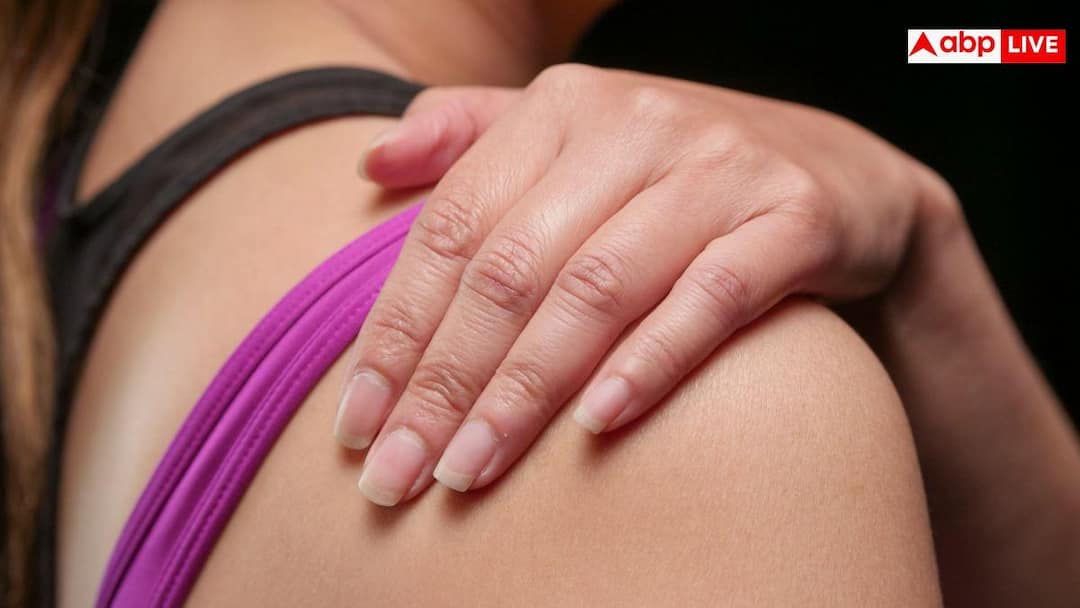
Why Diabetes Increases The Risk Of Frozen Shoulder: If you have diabetes and have been experiencing shoulder pain, stiffness or difficulty in moving your arm for some time, then it should not be ignored. There is also a problem related to diabetes about which very few people know, but it is quite common. In common parlance it is called diabetic shoulder, whereas in medical term it is called frozen shoulder. This condition can gradually limit shoulder movements and make everyday tasks difficult.
In this regard, a study published in the Journal of Diabetes Investigation found that the rate of shoulder problems in people suffering from diabetes was about 27.5 percent, whereas in normal patients this figure was seen only around 5 percent. This difference suggests that there is a deep connection between diabetes and frozen shoulder.
What is frozen shoulder?
Frozen shoulder is a condition in which the connective tissue around the shoulder joint becomes thick and stiff. Due to this, it becomes difficult to move the shoulder. Pain is felt in the beginning and with time the movement of the shoulder can become quite limited.
Why does the risk increase in diabetes?
According to experts, due to high blood sugar level for a long time, changes start taking place in the body tissues. Excess glucose can affect a protein called collagen, causing tissues to lose their elasticity. This process can also affect the shoulder joint. Apart from this, persistent swelling and reduced blood flow to the tissues can also play a role in increasing this problem.
Three stages of frozen shoulder
This problem usually develops in three stages. The first stage is called freezing stage, in which the pain gradually increases and the movement of the shoulder starts decreasing. After this comes the frozen stage, where the pain may reduce to some extent, but the stiffness remains. The final stage is the thawing stage, in which shoulder mobility gradually begins to return. The entire process can last from several months to two years.
Read this also: Nipah Outbreak in Kerala: Nipah virus knocks in Kerala, know how it spreads and how dangerous it is?
How is identification done?
Doctors usually diagnose this problem with the help of the patient’s medical history, especially information about diabetes, physical examination and, if necessary, imaging tests like X-ray or MRI. With timely identification, the situation can be prevented from worsening.
What is its treatment?
The main objective of treating frozen shoulder is to reduce pain and restore normal movement of the shoulder. For this, medicines to reduce pain and swelling can be given. Physiotherapy and regular stretching exercises play the most important role in recovery. Along with this, it is also very important to control blood sugar. In severe cases the doctor may recommend injections or other medical procedures.
Read this also: Daily Walking Distance: How many kilometers should one walk in a day? What is the danger if one walks more than this?
Disclaimer: This information is based on research studies and expert opinion. Do not consider this as a substitute for medical advice. Before adopting any new activity or exercise, please consult your doctor or relevant specialist.
Check out below Health Tools-
Calculate Your Body Mass Index (BMI)
Calculate The Age Through Age Calculator