
 By Admin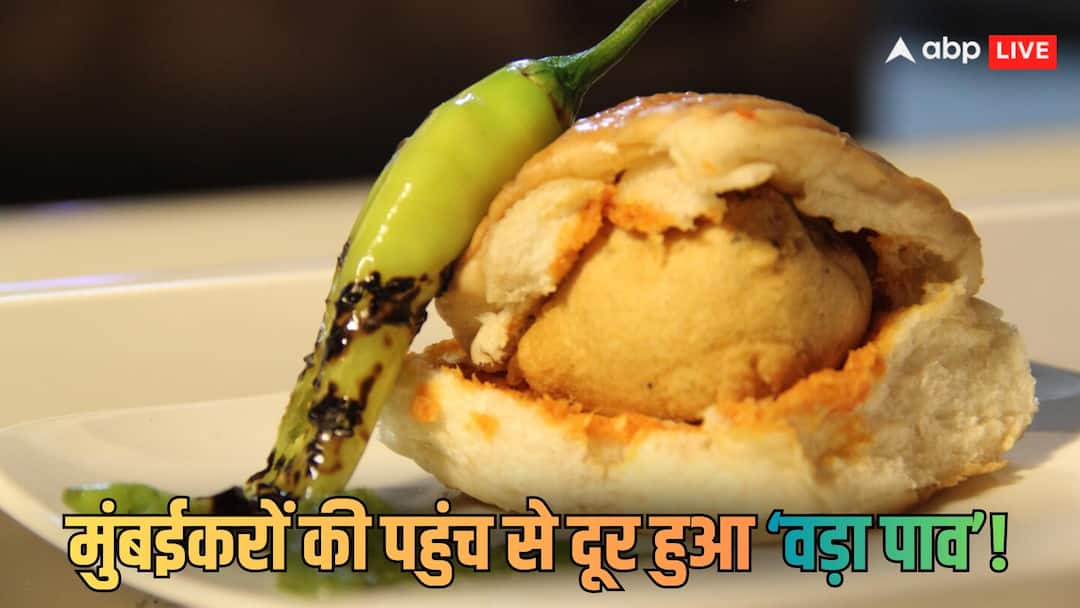
The relationship between Mumbai and Vada Pav is not a delicate one. This is the snack which is the fuel for the speed of Mumbai, the support that fills the stomach of the laborer and also the weakness of the millionaire businessman. But these days there is a bad news for Mumbaikars. His own Vada Pav is now becoming heavier on his pocket than before. The price of Vada Pav has increased in the city in the last few weeks, due to which this cheap and filling snack has now reached Rs 25 to 30. Earlier, Vada Pav was available for Rs 15 to 20, now one has to shell out more for it. But why was there not such a strong discussion on the increase in prices of oil, gas and other things as is happening on Vada Pav?
Not just an increase of five rupees, Mumbai’s ‘lifeline’ hit
This is not just an increase of 5 to 10 rupees, but it is an attack on the economy and sentiment which connects crores of Mumbaikars every day. It is noteworthy that this crisis has arisen due to the huge increase in the prices of commercial LPG gas cylinders and skyrocketing prices of raw materials. The ongoing tension in West Asia and its affected fuel supply has made the situation even more serious. The result was that in the beginning of 2026, Vada Pav sellers increased its price by Rs 5.
According to the FPJ report in March 2026, Vada Pav was being sold at Rs 25 per piece in many areas. Now latest reports suggest that this price has reached Rs 25 to 30. Due to the LPG crisis, there has been an increase of 10 to 20 percent in the prices of food items. The price of bread has increased by Rs 5, which has directly affected snacks like Vada Pav, Misal Pav and Sandwich.
Why are the prices of Vada Pav increasing?
There is not just one, but many big reasons behind the rising prices of Vada Pav:
- There has been a huge jump in the prices of commercial LPG cylinders in the last few months. Due to this, a large number of small hotels and street food vendors are either on the verge of closure or have removed many items from their menu. Baban Yadav, who runs a vada pav shop in a suburb of Mumbai, has increased the price of vada pav by Rs 3 due to the increase in the price of pav. They have even stopped frying samosas.
- The prices of edible oil have increased by Rs 30 to Rs 40 per liter. The prices of raw materials like gram flour, potatoes and chillies have also increased, due to which traders are facing huge losses.
- BMC has decided to ban the use of wood and coal in bakeries, which is likely to further increase the cost of production of pav. In protest against this decision, the Bakery Association says that due to this the price of pav may increase from Rs 3 to Rs 5 per piece, which will have a direct impact on the price of Vada Pav.
This is just the beginning. The shortage of LPG has brought Mumbai’s bakery industry to its knees. Out of 1200 bakeries in the city, about 600 bakeries produce about 32 lakh pavs daily. But due to shortage of gas, these bakeries are on the verge of closure, due to which the entire supply chain is in danger.
How many people eat Vada Pav every day and how big is this business?
Vada pav is a large and strong part of Mumbai’s economy, although there is no official figure for it. According to FPJ report, around 10,000 to 20,000 people eat Vada Pav every day in the city. According to an estimate, there are around 5,000 vada pav stalls in Mumbai. At the same time, according to the report of Food and Wine, there are more than 20,000 Vada Pav stalls in Mumbai Metropolitan Region (MMR). There is a daily turnover of about Rs 1.6 crore from this informal industry.
Food and Wine report states that the city’s daily consumption of pav is more than 80 lakh, out of which about 60 lakh pavs are supplied to street vendors and food shops. Big brands like Goli Vada Pav sell more than 70,000 vada pavs daily. For more than 70 lakh passengers of Mumbai Suburban Railway, Vada Pav is a cheap and quick meal, which has become a part of their daily routine. At the same time, according to BMS.CO.IN’s report ‘My Mumbai and My Vada Pav’, 1 lakh Vada Pav are eaten daily in Mumbai.
How many families are supported by one Vada Pav?
Vada Pav has provided financial independence to countless families by becoming a source of livelihood. From a small street vendor to a big brand, this snack provides employment to millions of people. According to ‘My Mumbai and My Vada Pav’ report, the setup cost can range from Rs 50,000 to Rs 5,00,000, but with the right location and taste, profits start immediately. A vendor sells 500 to 1000 vada pav daily. A vendor saves around Rs 8 on every vada pav, which becomes a good earning in a day.
You will be surprised to hear the earnings of some famous stalls. Many vendors earn up to Rs 2.8 lakh per month, which is more than a job in a big IT company. A video had gone viral on social media, in which a vada pav seller told that he earns up to Rs 24 lakh annually, hearing which even many people with big jobs were surprised.
Mumbai’s famous ‘Ashok Vada Pav’ shop does a business of Rs 30 lakh every month. This shop, now run by the third generation, is proof of how vada pav can change the fortunes of a family. According to an estimate, around 2 lakh delivery workers in Mumbai supply fresh pav daily on bicycles and motorcycles. This shows how big is the supply chain related to this one snack and how many people’s stomachs are connected to it.
How did Mumbai’s identity become known and ‘Burger of the poor’ emerged out of compulsion?
The story of Vada Pav begins in the 1960s, when a man named Ashok Vaidya set up a stall outside Dadar Railway Station in Mumbai. He would see hundreds of mill workers passing by during the day, who neither had much money nor time to eat. Just one thing was needed which was cheap, could be eaten quickly and also filled the stomach. Then an idea came to Ashok Vaidya’s mind that why not dip the spicy potato curry in gram flour and fry it and serve it with chutney after placing it in the middle of the pav? It was from here that Vada Pav was born, which today the world knows as ‘Poor’s Burger’ or ‘Bombay Burger’.
In the 1970s and 80s, when Mumbai’s textile mills started closing and thousands of workers became unemployed, many of them adopted Ashok Vaidya’s model and set up their own vada pav vendors. This snack emerged out of the compulsion of the workers and became a source of employment for the unemployed. The story does not end here. Bala Saheb Thackeray also inspired Marathi people to become entrepreneurs in the 1960s, just as South Indians were running Udupi restaurants.
Girgaon’s ‘Borkar Vada Pav’ is the result of this inspiration, which is today being run by the third generation and sells 500 Vada Pav daily. Gradually Vada Pav became the identity of Mumbai. In 2024, ‘Taste Atlas’ ranked Vada Pav 39th in the list of the world’s best sandwiches. It was no longer just a snack, but became a symbol of Marathi identity and pride.
What effect will this inflation have on Mumbaikars?
The rising price of Vada Pav is not just a figure. Its direct and deep impact is on lakhs of laborers, mill workers and daily wage laborers of Mumbai, for whom Vada Pav is a reliable and cheap meal of the day. The rising prices of commercial LPG have hit small shopkeepers and street vendors the most. There are reports of about 50 percent hotels being temporarily closed. Many street vendors have either closed their shops or limited their menus.
An estimated 30 percent of hotels and restaurants in Mumbai are currently either closed or running with very limited resources. This rising inflation has most affected that section of Mumbai, which is already struggling with the rising cost of living. Customers of a vada pav seller said that the increased price will hit the poor and migrant workers the most as vada pav is a common man’s food. This is a mirror in which the soul of Mumbai resides. This is a taste of the city’s struggle, its pace and its spirit.