
 By Admin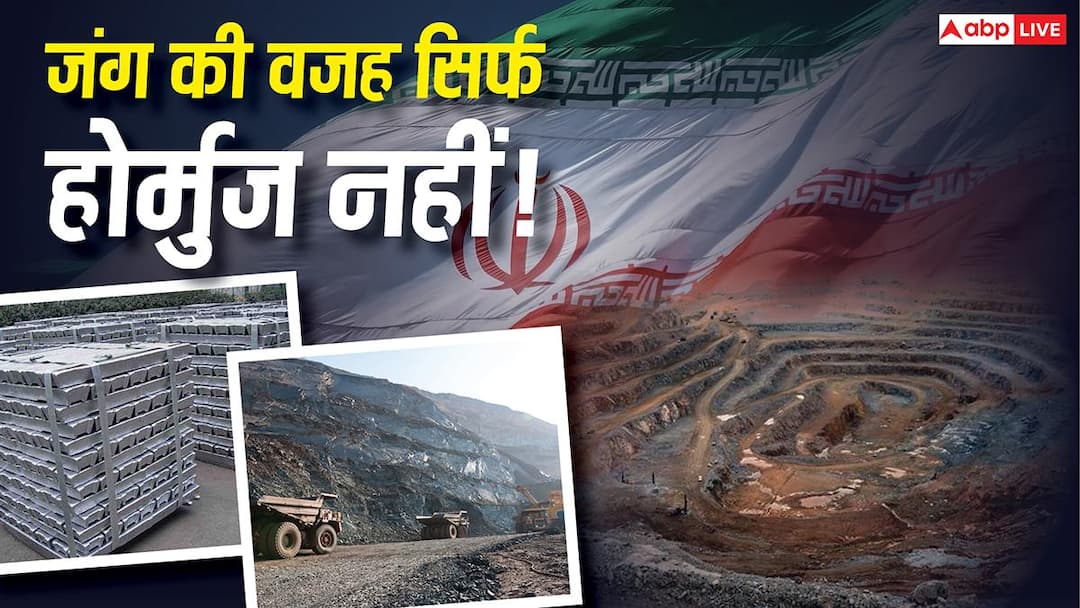
Whenever tension increases between Iran and America, the world’s eyes first turn to oil prices and the Strait of Hormuz. It is not wrong to understand this because 20 percent of the world’s total crude oil passes through Hormuz and Iran has 12 percent of the world’s oil reserves. But does Iran only have oil? no way. A treasure trove of rare minerals is buried beneath Iran’s soil…
How big are Iran’s mineral reserves?
According to the Tehran Times report:
- Iran holds 15 percent of the world’s total mineral reserves.
- Iran accounts for 3 percent of the value of the world’s total mineral production.
- More than 68 types of minerals are found in Iran.
- Iran ranks 5th in the world in terms of natural resources. Its total value has been estimated at around 27.5 trillion dollars.
Lead and Zinc: Iran’s biggest weapon
Iran has huge reserves of lead and zinc:
- Iran has 3 percent of the world’s total lead and zinc reserves.
- Including lead and zinc, Iran has proven reserves of more than 220 million tonnes.
- Iran is the fourth largest producer of lead and zinc in Asia after China, Kazakhstan and India.
- Iran has the world’s largest zinc reserves. According to estimates in some reports, Iran has reserves of about 300 million tons of zinc.
- Iran ranks 11th in the world in terms of lead.
- Iran is the sixth largest zinc producer and fifth largest lead producer in Asia.
- The annual export potential of Iran’s lead and zinc sector is about $2 billion.
- About 80 percent of the production of this sector is exported to 15 countries.
The most interesting thing is that Iran has not even discovered deep underground mining yet. It has less environmental impact than surface mining. This means that Iran may have even more minerals, which have not been discovered yet.
Not just lead-zinc, Iran has much more
Iran’s mineral wealth includes several more strategic minerals:
- Copper: Iran has about 2.6 billion metric tons of copper reserves, which is 5 percent of the world’s total copper reserves. Iran ranks 7th in the world in terms of copper.
- Uranium: Iran also has uranium reserves.
- Lithium: Recently reserves of 86 lakh tonnes of lithium have been found in Iran. Lithium is the most important mineral for batteries of electric vehicles.
- Iron Ore: Iran is the country with the 7th largest iron ore reserves in the world, with 7.1 percent of the world’s reserves. Iran is at 9th place in terms of iron ore.
- Rare Earth Elements: Iran also has reserves of rare earth elements such as titanium.
Why are these minerals so important?
These minerals are not just ‘stones’, but they are the backbone of future technology:
- Zinc is used in making steel, batteries and electric vehicles.
- Lead is used in batteries, defense equipment and radiation protection.
- Copper is essential for electric wiring, electronics and renewable energy.
- Lithium is the backbone of electric vehicles and mobile batteries.
According to a report by the Center for Strategic and International Studies (CSIS), Iran’s mineral resources make it an important player in the emerging race for ‘critical minerals’. The demand for these minerals in clean energy, electric vehicles and modern defense systems has increased so much that they have got the status of ‘strategic goods’.
Iran’s mineral strength despite sanctions
The question is that if Iran has such huge mineral reserves, then why is it not able to take full advantage of it? American sanctions are the biggest reason behind this. Due to sanctions, Iran is unable to get machinery and technology from western countries, due to which the mining sector is not able to work at its full capacity.
Despite this, Iran has strengthened its mineral trade with Asian markets, especially China. Iran exports a large part of its copper and zinc to China. In 2023-2024, almost all of Iran’s zinc concentrate exports went to China.
So this fight is not limited to oil only?
France’s Geological Survey Agency (BRGM) has warned that the ongoing crisis in the Middle East is shaking not only the oil and gas markets, but all the mineral resources markets of the world. The production of minerals like aluminium, sulfur and helium, which require natural gas, is also being affected.
G7 countries like America, Britain, Canada, France, Germany, Italy and Japan have already decided that by 2030, not more than 60 percent of their imports of ‘rare earth elements’ should be from any one country. This means that the G7 wants to reduce its dependence on China and in this effort Iran can emerge as an alternative.