
 By Admin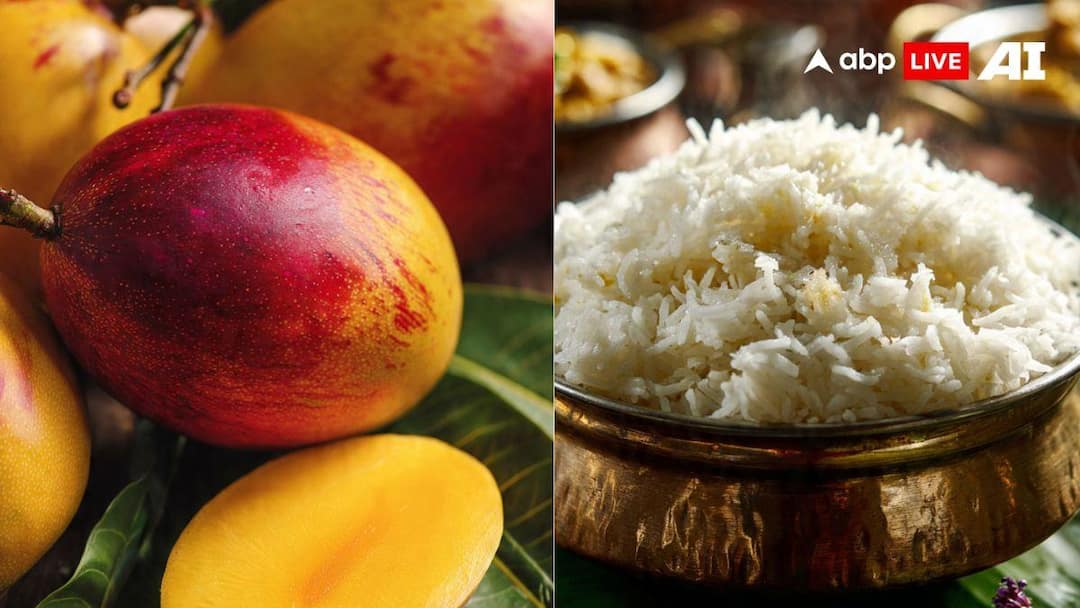
Japan has stopped importing mangoes from India after Japanese authorities found lapses in pest control procedures at Indian treatment centers during inspections earlier this year. The move has disrupted mango exports and impacted premium Indian varieties like Alphonso, Kesar, Langra and Banganapalli.
This is the first such ban in almost two decades. Japan had previously banned Indian mangoes over fruit fly concerns and lifted the ban in 2006 only after India strengthened its treatment protocols. Now Japanese officials have once again expressed concern over whether the consignment of Indian mangoes is meeting the country’s strict health standards. Let us tell you that Japan follows a zero-tolerance policy towards invasive pests like fruit flies, which are considered a major threat to domestic agriculture.
Japan investigates first, then exports happen
Japan sends its officials every year to inspect India’s Vapor Heat Treatment (VHT) facilities before harvesting the mangoes. These centers are responsible for disinfecting the mangoes before export. VHT is a non-chemical process in which mangoes are exposed to controlled hot and humid air to kill insects and fruit fly larvae. It is mandatory to do this under the export agreement between the two countries.
where was the inspection done
This year’s inspection was conducted in March at the VHT facility in Rahmanpur, Uttar Pradesh. According to reports, Japanese officials found deficiencies related to fumigation and disinfection processes at the facility. However, neither Indian nor Japanese officials have publicly disclosed the exact technical problems found during the inspection.
Rice export also affected
Japan has not completely banned Indian rice but has minimized imports. Japan has been strongly protecting its agricultural sectors by purchasing rice from the US and Thailand, imposing strict sanitary regulations and heavy import quotas. For this reason, rice exports from India to Japan have been mainly limited to Basmati for local expatriates, especially Indians. Japan’s stringent import policies and specific preferences reduce Indian rice exports to a great extent.
read this also
Donald Trump Buffalo: ‘Donald Trump buffalo’ survived sacrifice on Bakrid, why did Bangladesh government take this decision?