
 By Admin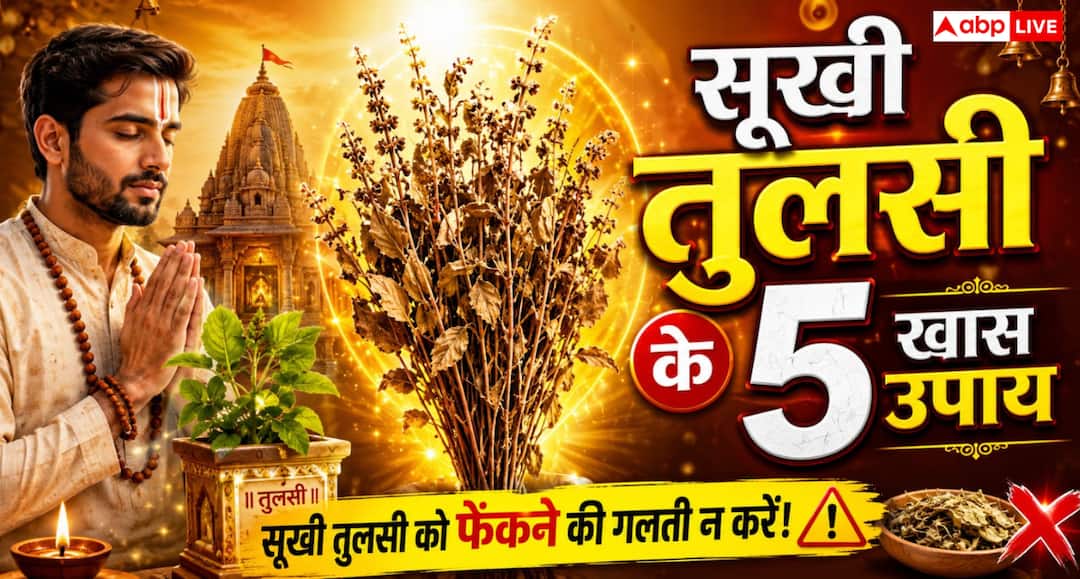
Vastu Tips: When the Tulsi plant in the courtyard or balcony of the house remains green, then it is not just a plant but is considered a symbol of liveliness and positivity of the house. But when the same basil dries up due to some reason, many people consider it useless and remove it.
But in Indian traditions, dry basil has also been given special respect. According to centuries-old beliefs, Tulsi is not just a plant of worship but is considered a symbol of positive energy, faith and spiritual consciousness. Let us know about some such traditional remedies related to dry basil and the beliefs behind them, which are still believed by millions of people.
Why is wearing a dry basil garland considered a symbol of peace?
In many Vaishnav traditions, the tradition of wearing a garland made of Tulsi wood is centuries old. Wearing a garland of dry basil around the neck attracts a person’s mind towards spiritual contemplation and can increase the experience of mental peace.
There is also a psychological side behind this. When a person wears a religious symbol, he feels more restrained and alert in his behavior and thoughts. Tulsi rosary is not just an ornament but is considered a symbol of spiritual discipline.
Also read- Sawan 2026: What to offer to Shivling in Sawan and what not? Know 4 forbidden things and things dear to Bholenath
What does the tradition of keeping dry basil in the home temple say?
In many homes, dry basil leaves or twigs are kept safe in the place of worship. This maintains the flow of positive energy in the house and the negative effects related to Vaastu start reducing.
But the presence of Tulsi in the place of worship makes people experience spiritual connection and mental balance. For this reason, Tulsi has been considered a symbol of purity and goodness in Indian culture.
tie it in red cloth and hang it on the main door
In many religious traditions, tying dry basil in a red cloth and hanging it at the main entrance of the house reduces the entry of negative energy into the house and keeps poverty away from the house.
In Indian tradition, the main door is considered not just a way for entry and exit, but also the gateway to the energy of the house. Red color is considered a symbol of auspiciousness, enthusiasm and auspiciousness, while Tulsi represents purity and positivity. The combination of both is associated with the happiness and prosperity of the house.
Importance of offering dry basil in havan
The tradition of adding dry basil in religious rituals and havan is also quite old. By doing this the feeling of peace of Navagrahas and purity of the environment gets added.
Havan itself is a collective spiritual process, in which a person focuses his mind and engages with positive resolutions. The use of Tulsi makes this process more sacred. This is the reason why the presence of Tulsi has special significance in many religious rituals.
The belief of putting wick of dry basil in ghee lamp
Tulsi is considered very sacred and goddess form, for this reason Tulsi has been given special importance in worship. According to religious beliefs, if a wick of dry basil is made in a ghee lamp and lit in front of God, then the seeker attains special virtue. By lighting this type of lamp one gets the virtuous result of lighting one lakh lamps.
While the lamp is considered a symbol of light that dispels darkness, Tulsi is considered a symbol of devotion, purity and the grace of Lord Vishnu.
Also read- Numerology: Do people born in June face certain health challenges?
Disclaimer: The information provided here is based only on assumptions and information. It is important to mention here that ABPLive.com does not endorse or confirm any information. Before implementing any information or belief, consult the concerned expert.