
 By Admin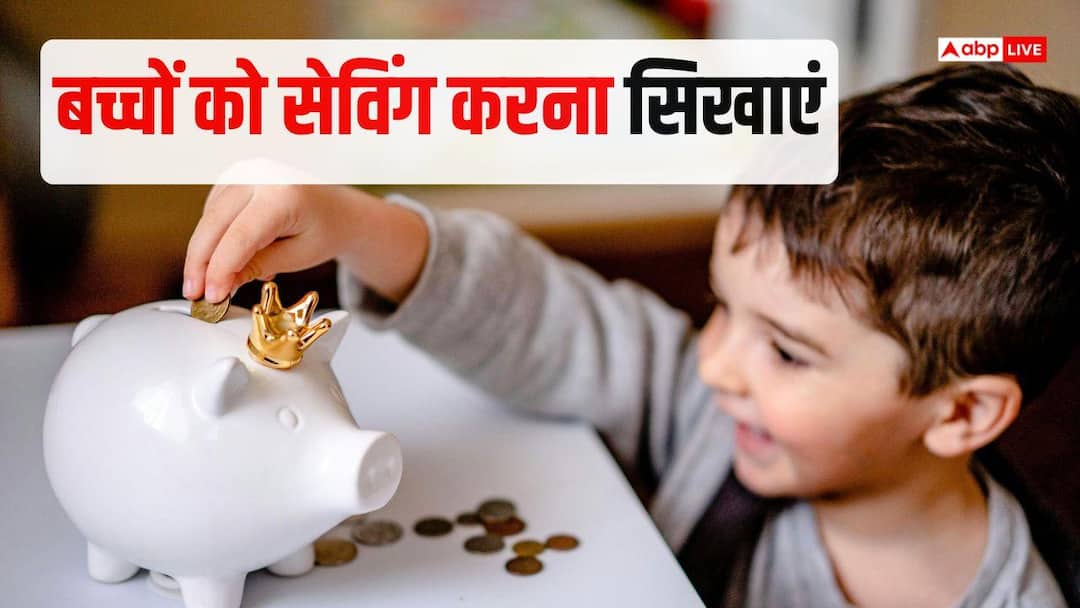
Money Tips for Kids: In today’s time, it has become equally important to give children not only education but also the right understanding of money. Experts believe that if good financial habits are developed in childhood itself, then later on children learn to spend and save money responsibly.
Talking to HT Lifestyle, Nehal Mota, co-founder of fintech company Finnovate, said that there is no need to teach big investment lessons to children to make them financially wise. Only some small daily habits can make them understand the real value of money.
Divide pocket money into three parts
According to Nehal Mota, children should develop the habit of dividing the pocket money they receive into three parts. One part for expenditure, second for saving and third for helping or donating the needy. With this, children learn to use money properly from the beginning.
Sonam Wangchuk: How does fasting Sonam Wangchuk earn money, what is her net worth now?
Teach us to take right decisions while shopping
According to HT Lifestyle, while shopping in grocery or supermarket, ask children which thing is necessary and which is just a wish. They will understand that it is not necessary to buy everything and every expenditure should be done thoughtfully.
Do not fulfill every demand immediately
If the child insists on a toy or other thing, ask him to wait for a day instead of buying it immediately. Experts say that this increases patience in children and reduces the habit of spending without thinking.
teach how to compare prices
Nehal Mota advises children to make it a habit to check the price of the same item at different places. This will help them understand why it is important to compare while shopping and how to save money wisely.
Make saving fun for children
According to experts, a transparent saving jar or a chart of any goal can be prepared for children. When they see their savings gradually increasing, they get motivated to save regularly.
Why is the head of RBI called Governor and not Chairman or something else? How much salary do they get?
small habits, big impact
While talking to HT Lifestyle, Nehal Mota said that economic understanding is not achieved in a day. It develops from small everyday habits. These habits later develop responsibility, self-confidence and the ability to take better decisions regarding money in children.
At the same time, according to a research by Cambridge University, many basic habits related to money start forming in children by the age of seven. In such a situation, experts believe that the right education given from childhood can create a strong economic foundation in the future.