
 By Admin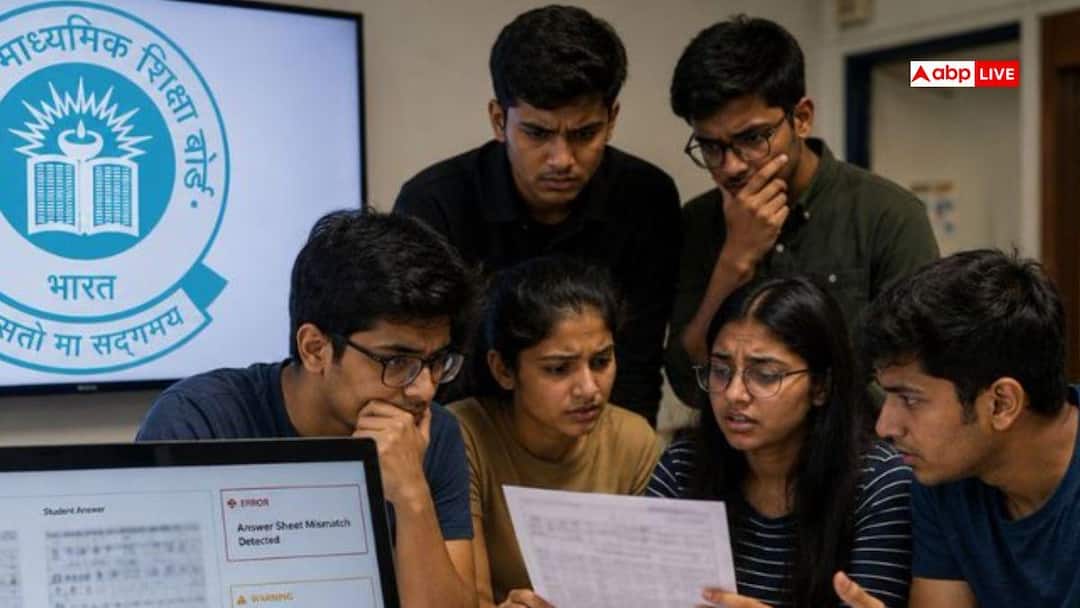
- CBSE implemented digital system in the evaluation of class 12th.
- Scanned copies of students were found blurry and pages missing.
- UK, IB boards have been doing digital marking for many years.
- Technology is helpful, not a substitute for human intelligence.
In a major change in the Class 12 assessment this year, the Central Board of Secondary Education (CBSE) has implemented a completely digital on-screen marking (OSM) system. But with the advent of this new system, there has been a stir among students and parents. Many students have complained that their scanned answer sheets were blurry, some had pages missing, and some were shown a copy of another student. This technical glitch has given rise to a new debate whether India’s largest examination board was fully prepared for this big digital transformation and what technology do other countries of the world resort to to check the copies.
What is the on-screen marking system?
On-Screen Marking or OSM is actually a modern system of digital evaluation of copies. Under this system, teachers are not given actual copies of the paper to check, rather they give marks by looking at the scanned digital copy of the copies on the computer screen. As usual, students have to write their examinations on paper answer sheets in the traditional manner. After the examination is over, all these copies are scanned at secure centres. After this, these digital files are sent online to evaluators across the country, keeping the identity of the students secret.
CBSE’s past experience and efforts
CBSE says that this idea of checking copies digitally is not completely new for them. The Board had first taken steps towards adopting the OSM system in the year 2014, but due to non-availability of suitable and advanced scanning technology at that time, this plan had to be stopped midway. In those days, to scan the copies, their binding had to be cut from the middle, due to which there was a huge risk of the pages of the copies getting mixed together or getting lost. For this reason this digital system could not be implemented at that time.
Also read: CBSE accepted the cyber attack on OnMark portal, gave this update
Reason for implementing the new system
According to CBSE, the main objective of fully implementing this digital system this year was to make the evaluation process more secure, efficient and uniform. The board believed that by checking the copies online, the difference in marks given by teachers of different areas can be reduced. With this, human or clerical errors in adding numbers can be completely eliminated. With this system, monitoring of teachers who check copies also becomes easier and the entire examination system becomes transparent and strong.
Global digital marking rules
Globally, major UK examination boards such as AQA, OCR and Pearson Edexcel, which conduct major examinations such as A-Levels, have been using online marking for many years. There also all the copies are scanned at the central level and distributed digitally among the examiners. In many cases, a teacher is not given the entire copy to mark, but instead marks only a particular question out of thousands of copies, which greatly increases the consistency and accuracy of scoring.
Debate between technology versus human intelligence
According to Britain’s examination regulator ‘Ofqual’, the main purpose of online marking was to increase quality control and strict monitoring of examiners. According to professors, the British examination system is different from Asian countries because long answers like essays have to be written there. Technology can only become a medium to easily reach teachers who check students’ answers, but it can never replace the teacher who evaluates students’ knowledge. Recently, Ofqual has also issued guidelines on the use of AI in examinations and has placed the right of final decision in the hands of humans.
What are the rules in international board?
The International Baccalaureate (IB) Board, whose examinations are conducted in more than 150 countries around the world, also relies heavily on digital assessment. Examiners from all over the world access the scanned copies online, while senior examiners continuously monitor the quality of the copies. It is clear from all these international examples that the job of technology is only to help human examiners, and not to conduct the evaluation itself. In India too, to make this system completely successful, it is very important to remove the technical flaws and mentally prepare the teachers.
Also read: CBSE Re-evaluation 2026: Big update for CBSE students, verification and re-evaluation process started; portal launch
Education Loan Information:
Calculate Education Loan EMI